Back

Smart Revise – New Business Studies content update!

2 October 2024

We are thrilled to announce the addition of 11 new case studies for our OCR GCSE (J204) and AQA GCSE (8132) courses.

With 167 new exam-style questions, this update ensures comprehensive preparation for students.

OCR (J204) case studies: for Paper 1&2 of our OCR GCSE course (J204):

These come with 110 new exam style questions covering the full range of marks and command words.  This adds to our existing bank of Multiple Choice Quiz questions, Terminology Questions and Advanced Questions, all written by experienced teachers and examiners.

AQA (8132) case studies: for Paper 1&2 of our AQA GCSE course (8132):

These come with 57 new exam style questions covering the full range of marks and command words.  This adds to our existing bank of Multiple Choice Quiz questions, Terminology Questions and Advanced Questions, all written by experienced teachers and examiners.

Designed by experienced teachers and examiners, Smart Revise also features automated question selection, peer marking, and AI-driven marking tools. The goal? Save teachers time and raise student attainment.

What is Smart Revise?

Smart Revise is the only online application that selects extended answer questions automatically to save time and provides the teacher with a peer marking and AI marking engine to reduce workload and raise attainment. You can sign up and try this product completely for free, no time limit, no features locked out or disabled. A number of topics are FREE and fully enabled in trial mode, you only need to pay for access to the entire course if you like what you see.

If you are an existing user you don’t have to do anything to get access to this new content, your course will automatically updated the next time you log in! Learn more HERE.

Or feel free to reach out if you have any questions admin@craigndave.co.uk

Remember we also have full courses for the following exam boards to:

Related posts

How does optical disc burning work?

Discover what really happens when you “burn” a CD or DVD—it’s not fire, it’s a laser precisely encoding your data onto the disc. From pits and lands to rewritable mood-ring discs, here’s how your files get stored.

14 August 2026

What is a VPN?

Ever wondered how a VPN really works? Think of it as a clever middleman that keeps your online activity private and your data safe.

12 August 2026

Should parents be sharing your life on social media?

“Sharenting”—where parents share their children’s lives online—might seem harmless, but it comes with risks like identity theft, cyberbullying, and impacts on self-esteem. Learn how families can share responsibly while keeping kids’ privacy safe.

10 August 2026

What Is Concurrency in Computing?

Concurrency is the clever trick your computer uses to juggle multiple tasks at once—without actually doing them simultaneously.
From web pages to deadlocks, discover how this behind-the-scenes magic keeps your digital world running (mostly) smoothly.

7 August 2026

Why are silicon wafers round when chips are square?

Ever wondered why silicon wafers are round when everything they power is square? It’s all down to the way we grow and slice silicon — a fascinating mix of physics, efficiency, and a touch of irony.

5 August 2026

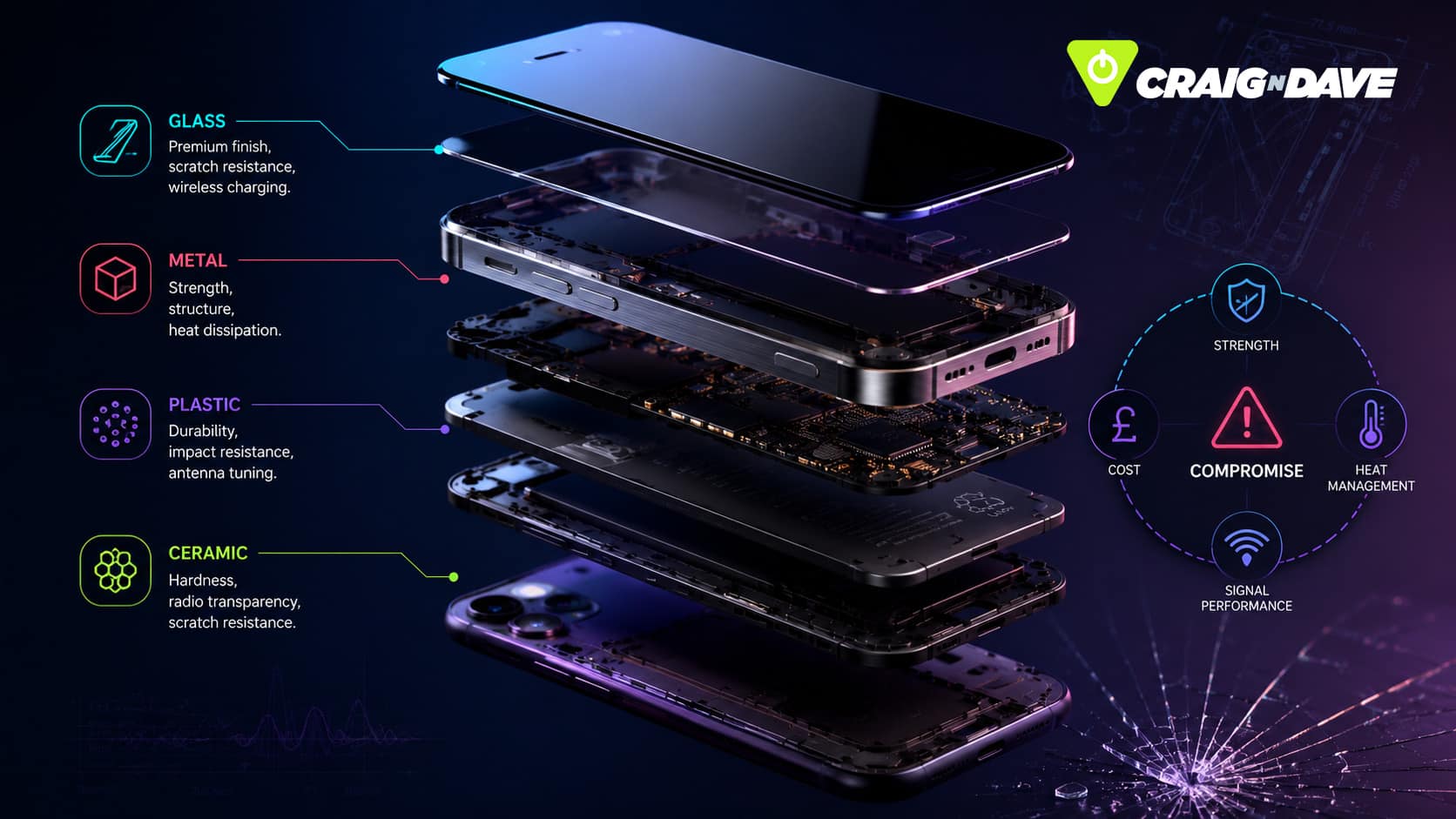
What Is the Best Material for a Smartphone?

Your smartphone isn’t made from one perfect material — it’s a carefully engineered compromise of plastic, metal, glass, and ceramic. Each choice solves a problem… and creates another.

3 August 2026

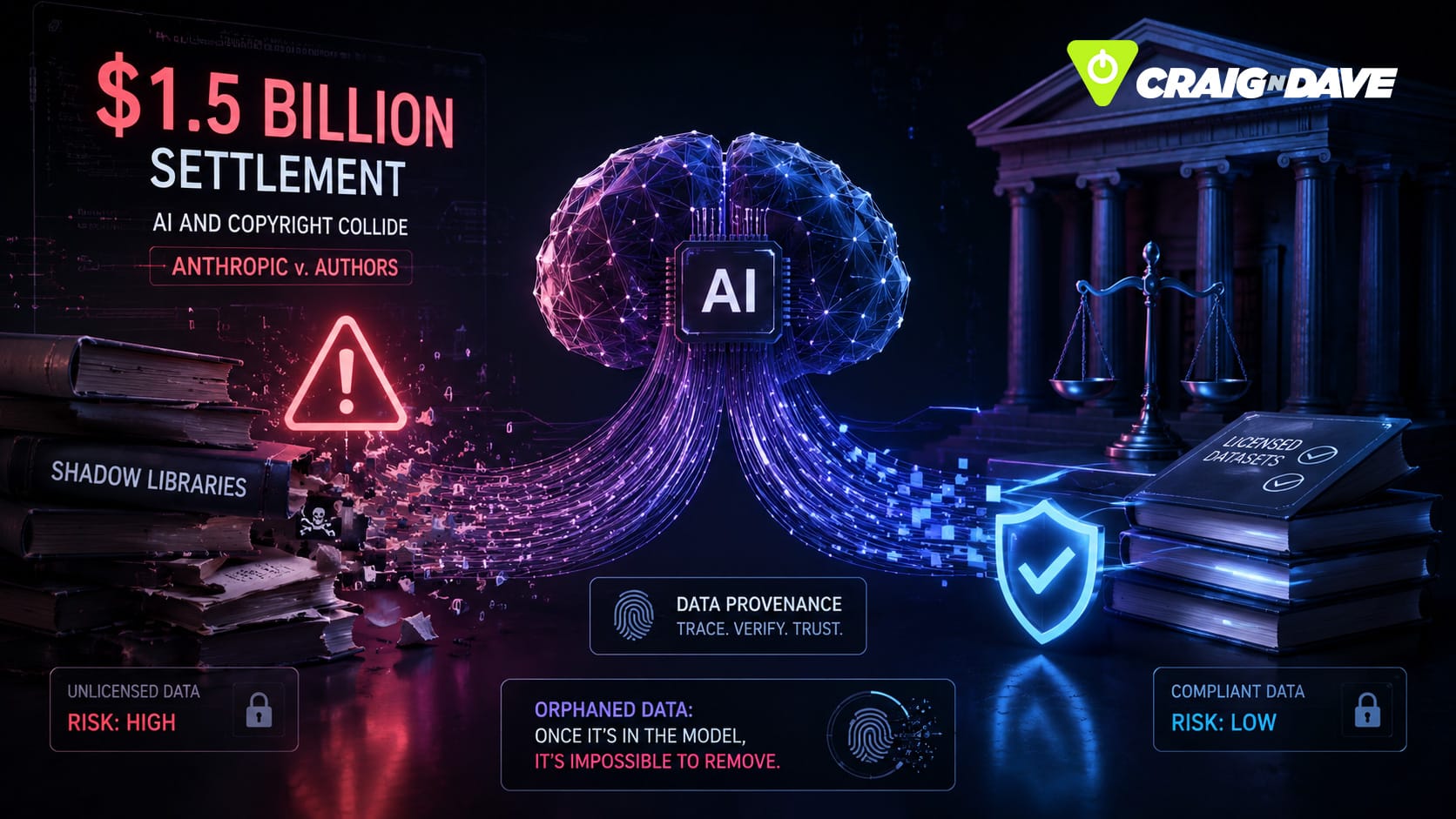
AI torrenting may not be so legal after all

AI training is facing a legal reality check as courts draw the line between fair use and copyright infringement. We look at why data provenance and licensing are now critical in modern AI development.

31 July 2026

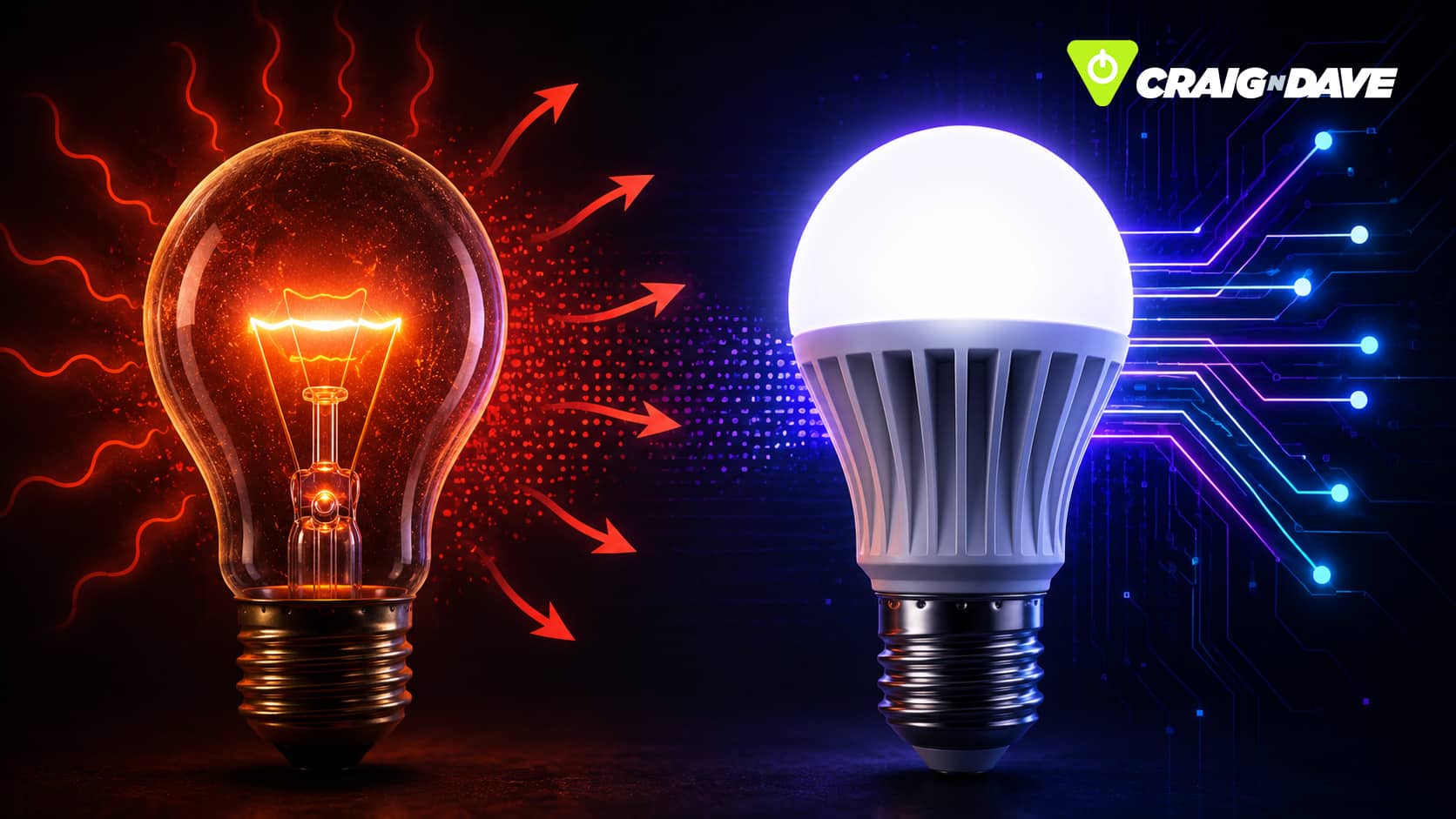
Why are LEDs so efficient?

Ever wondered why LEDs use so little energy? Discover how semiconductors create light directly, using far less energy and heat than traditional light bulbs.

29 July 2026

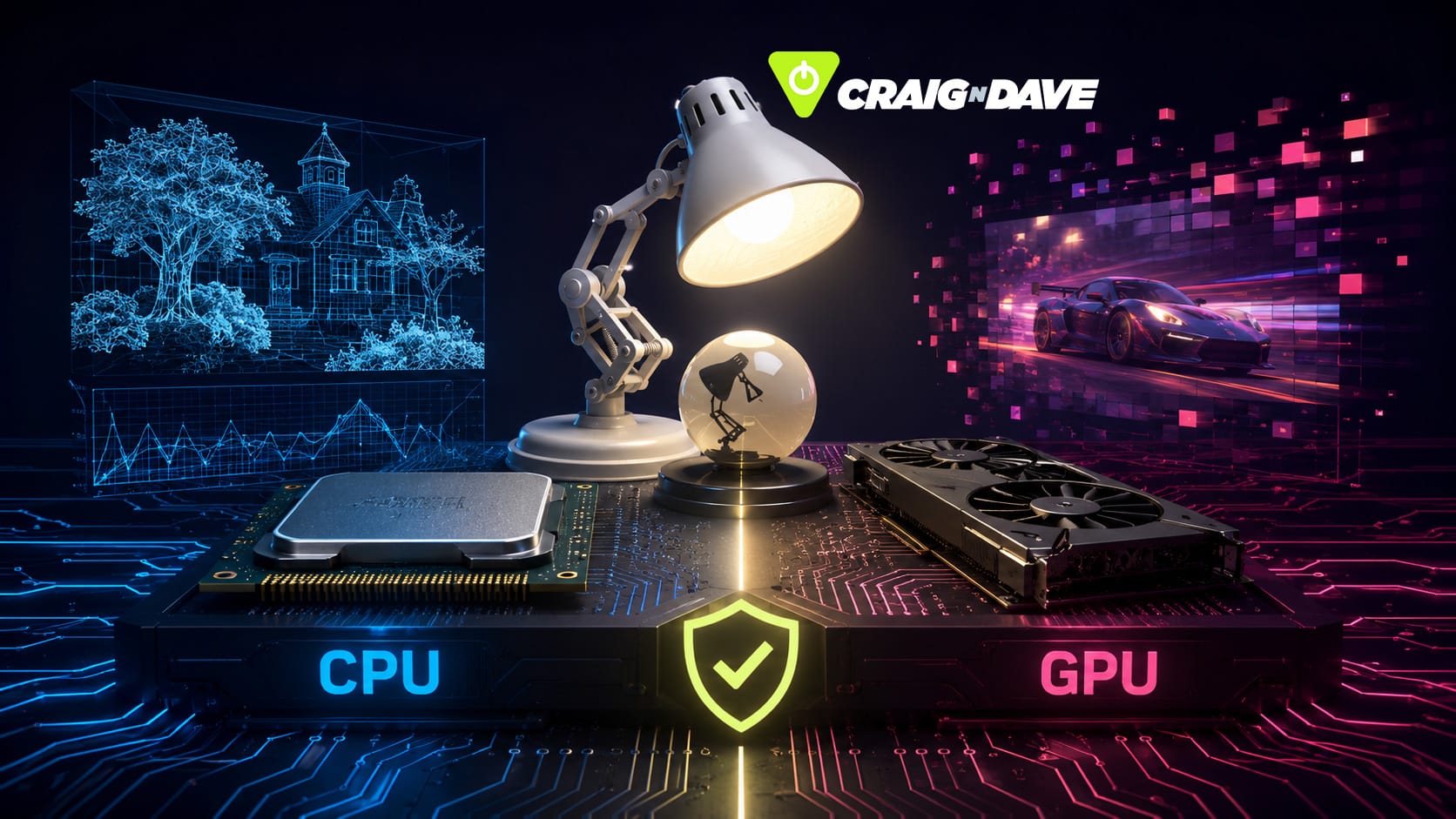
Why Pixar still chooses CPUs over GPUs

Pixar still relies on CPUs for their final film renders — not because they’re faster, but because accuracy beats speed when every photon counts. Discover why GPUs, despite their power, aren’t perfect for cinematic-quality frames.