28 October 2025
Understanding what GDPR really means when your data crosses the Atlantic
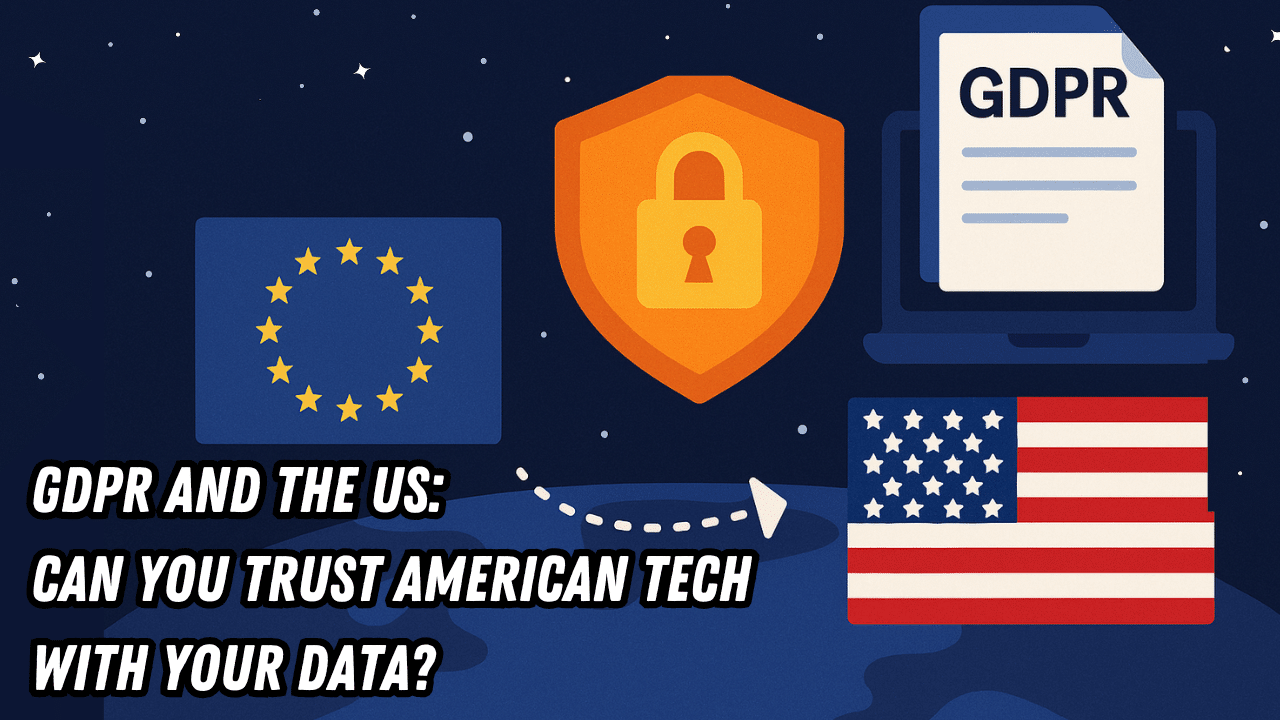
When you think of GDPR, your mind probably jumps to endless cookie pop-ups. But the regulation goes much deeper—especially when it comes to where your data ends up. One of the big questions in the world of computer science and data protection is: Can UK or EU-based organisations legally use US-based services like Google under GDPR?
The answer isn’t as clear-cut as you might hope.
What does GDPR actually say about US data transfers?
GDPR doesn’t flat-out ban sending data to the US—but it insists that your personal information must be treated with the same level of protection as it would receive within the EU. That was once straightforward thanks to the Privacy Shield agreement, until it was invalidated by the European courts over concerns about US surveillance laws.
Enter the EU-US Data Privacy Framework. It sounds secure, but participation is voluntary for US companies. If a business is certified under this framework, data transfers are allowed without jumping through too many legal hoops.
What does compliance really look like?
Here’s where it gets tricky. Just because a US company is able to receive your data doesn’t mean it automatically follows GDPR. UK and EU organisations must still carry out due diligence:
- Are they only transferring data to certified companies?
- Have they signed Standard Contractual Clauses (SCCs)?
- Have they assessed the risk of US surveillance laws applying?
Failing to do any of these could land an organisation in hot water with the ICO.
The hidden risks you can’t see
Even more concerning, if a company has handed over your data to the US government, they’re legally not allowed to tell you. Gag orders mean you could be unaware that your information has already been shared. That’s why GDPR isn’t based on trust—it demands verifiable protection.
So, can you use Google and still be GDPR-compliant? Yes—but only if both Google and your organisation have taken all the right steps. If not, you could be unknowingly breaching GDPR.
Want to know more? Check out The Lesson Hacker’s YouTube video –

For more Lesson Hacker Videos, check out the Craig’n’Dave YouTube playlist HERE.
Be sure to visit our website for more insights into the world of technology and the best teaching resources for computer science and business studies.
Stay informed, stay curious!