
17 December 2024

Ever wondered why financial guru Martin Lewis suddenly seems to endorse crypto schemes? Or why Elon Musk would promote a “can’t-miss” investment opportunity? Chances are, they wouldn’t. Unfortunately, these seemingly credible ads are part of a growing internet trend where scammers use deepfake technology to exploit celebrity faces for profit. Today, we’re exploring the rise of fake celebrity endorsements in online ads, why they’re so convincing, and how platforms like Meta are stepping up to protect users.
Celeb-Baiting: How scammers are cashing in on famous faces
If you’ve ever paused to wonder why financial expert Martin Lewis seems to be endorsing crypto schemes, here’s the answer: he isn’t. This phenomenon is known as celeb-baiting, where scammers attach a celebrity’s name or face to a shady scheme without permission. What’s worse is that it’s highly effective, as people assume that if someone as credible as Martin Lewis or Elon Musk backs a product, it must be legitimate. However, that’s far from the truth.
Enter Deepfakes: A new tool for online fraud
In the early days of digital scams, a simple image edit was enough. Now, with advanced deepfake technology, fraudsters can create eerily realistic videos of celebrities saying things they’d never endorse. Deepfake tech manipulates audio and video to make it look like a celebrity is advocating for a particular product. With a realistic video or image of Martin Lewis promoting a crypto scheme, some viewers could be convinced that it’s the real deal – and end up falling for the scam.
Meta’s solution: AI-powered facial recognition
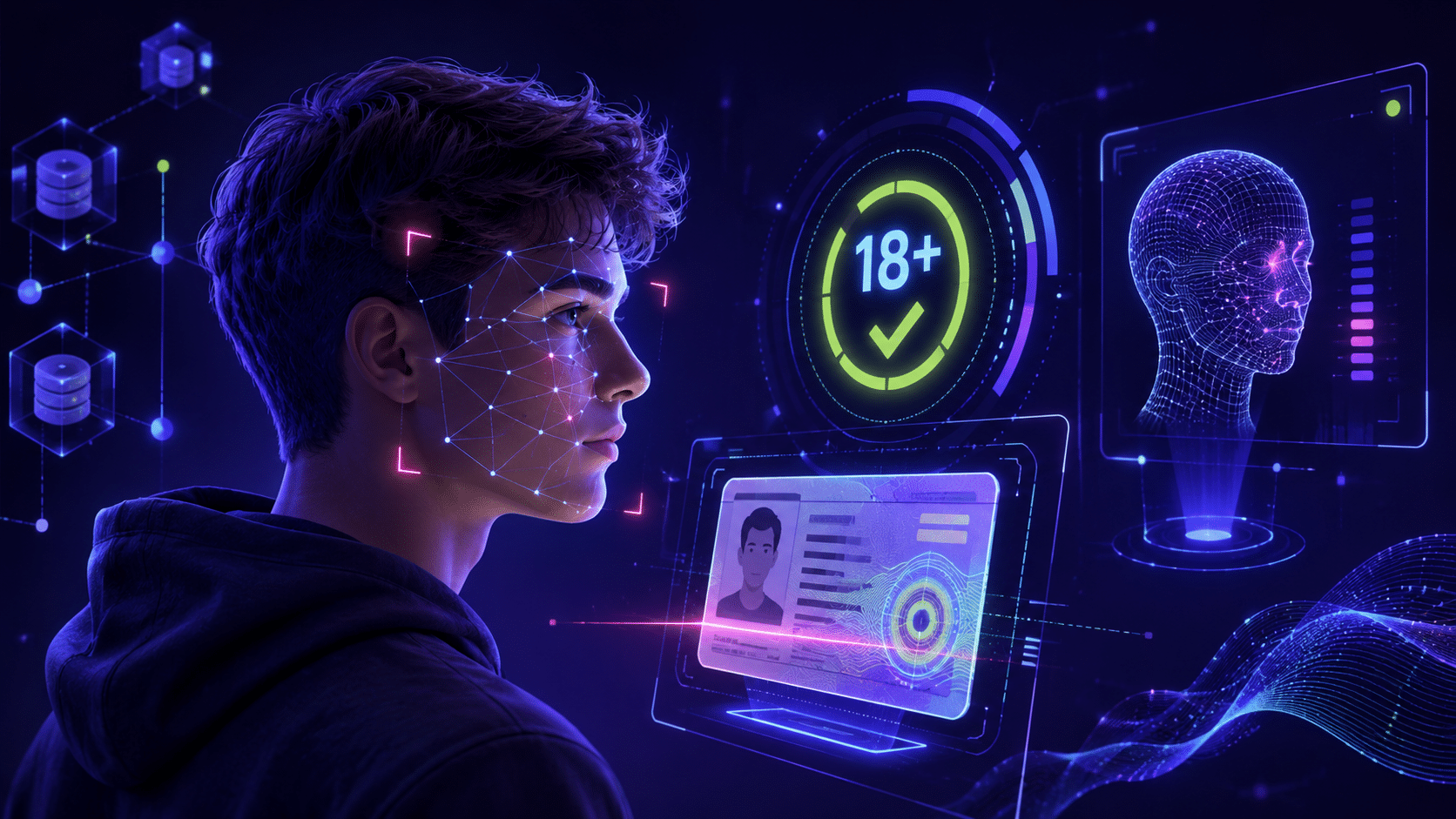
To fight back, Meta (the company behind Facebook and Instagram) has rolled out facial recognition technology to detect and block fake celebrity ads. The system scans flagged ads and compares any celebrity’s face to official photos on their social media profiles. If there’s a suspicious match, the ad is removed. Meta is also testing facial recognition to help locked-out users regain account access – though this technology has stirred privacy concerns, particularly in the UK and EU, where regulators are keeping a close watch.
Stay sceptical: Protect yourself from online scams
Scammers are constantly adapting, creating a perpetual cat-and-mouse game with tech companies. But here’s what you can do to stay safe: if you see a “too good to be true” endorsement from a well-known figure, take a moment to verify it. A quick search can often confirm whether it’s legitimate. Remember, if it sounds like a scam, it probably is.
Fake celebrity endorsements may be on the rise, but with awareness and Meta’s efforts to tackle deepfake scams, you can navigate social media more safely.
For more insights into the tech world and tips to stay savvy online, watch the full video on our YouTube channel.
Be sure to visit our website for more insights into the world of technology and for the best teaching resources for computer science and business studies. Stay informed, stay curious!