Skip to content
Craig'n'Dave Logo Craig'n'Dave Logo
0 Sign Up
  • Study Tools
    • About Resource Centre
    • Resource Centre
    • About Student Stream
    • Student Stream
    • About Smart Revise
    • Smart Revise
    • About Time2Code
    • Time2Code
    • Festival of Computing
  • Company
    • About Us
    • Contact Us
    • Meet the Crew
    • News
  • Helpdesk
  • Shop
  • Search
  • Sign Up / Log In
  • Shop Home
  • Merch
    • Apparel
    • Mugs
    • Other
  • Resources
    • Books
    • Cambridge IGCSE
    • Cornell Notebooks
    • Resource Centre Access
    • Smart Revise
    • Videos
0
  • Resource Centre
    Free Paid
    Launch Tool Learn More
  • Student Stream
    Free
    Launch Tool Learn More
  • Smart Revise
    Free Paid
    Launch Tool Learn More
  • Time 2 Code
    Free
    Launch Tool Learn More
  • Festival of Computing
    Free
    Get Ticket Learn More
  • Learn about our Study Tools
Back

A new oral feedback framework available for assessing programming for all schemes of learning – including Time2Code.

21 March 2025

The problem: students write programs, and you have to mark them, but this type of feedback has very little impact. How could we do this differently?

Maybe simple unit testing is one solution. Using a system, perhaps even AI to check the outputs from a program against unit tests. This certainly works, but it only solves half of the problem. How do you give meaningful feedback to enable students to make progress in their future programs?

Our twenty-five years of teaching programming has shown that oral feedback is far more effective than written feedback for programming; but what questions should you be asking students when assessing their work? How can you check their understanding? What action points should students be given?

That’s where our oral feedback framework has been giving teachers an advantage as we’ve done the hard work for you. Version 2 of our popular guide is now available and it’s even easier to use.

Still based on a simplified Shulte’s block model of program comprehension, this latest version guides you more thoroughly through marking, checking understanding and setting actions.

The best part is it is free for everyone and works with all schemes of learning whether you are using Time2Code or an alternative scheme.

Download the updated framework here: TIME-2-CODE-Oral-feedback-framework.pdf

For more guidance on our points-based system, a downloadable tracking sheet and assessment of programming see our guide to assessment here: Assessment – time2code

Not seen Time2Code before? You’re missing out. This innovative approach based on all the latest research is an evolution of PRIMM. Check it out today: Home – time2code
Related posts

VEX Robotics is inspiring the next generation of Computer Scientists

If you’ve ever wondered how to make computing more engaging for your students, you need to know about VEX Robotics.  […]

18 March 2026

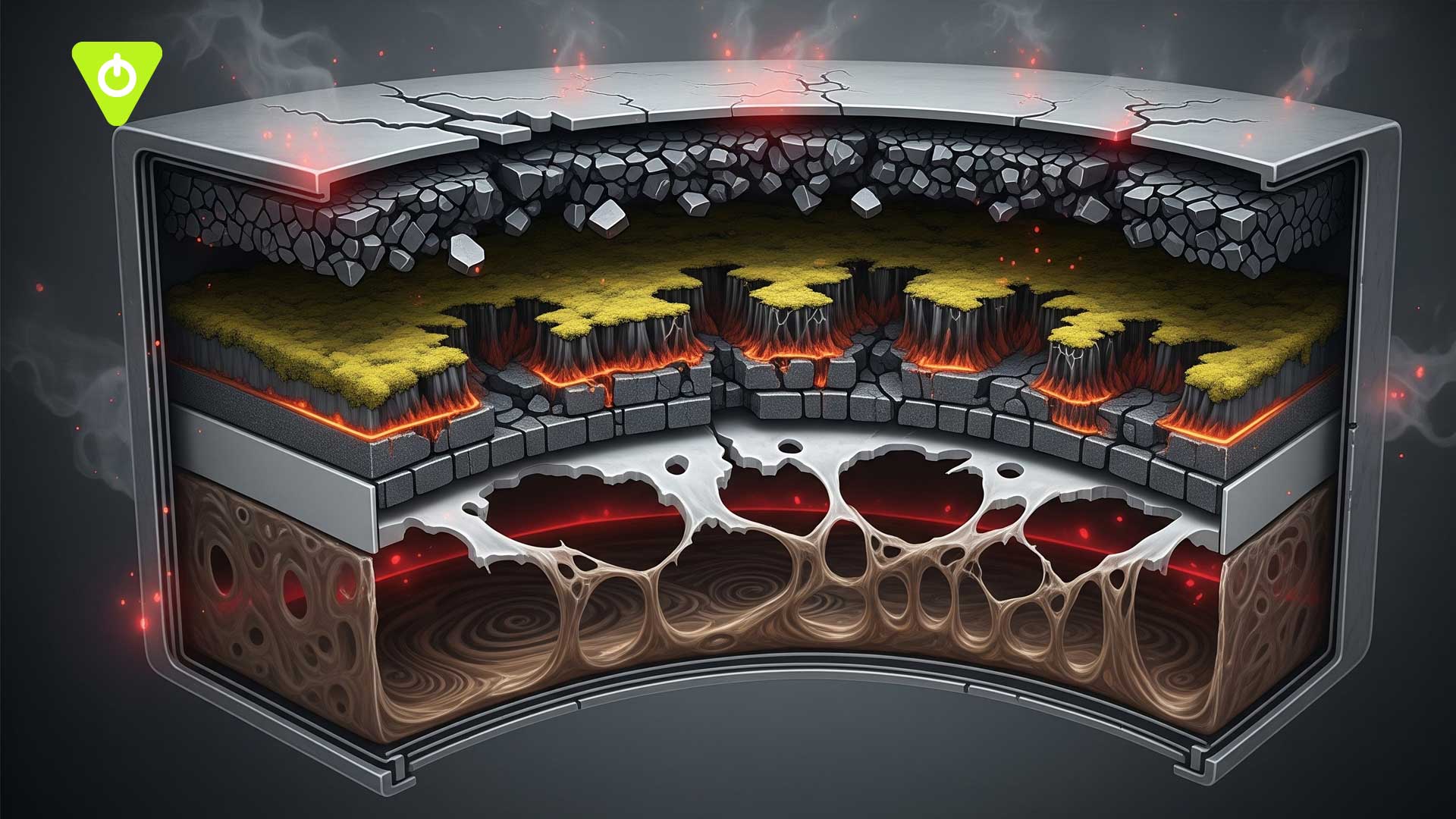
Why do we make chips out of silicon?

Why is silicon the go-to material for microchips? It’s cheap, clever, and just right for packing billions of transistors into your tech—without setting it on fire.

5 March 2026

How do you make a transistor?

Discover how billions of tiny transistors are made from a simple silicon wafer using light, acid, and precise engineering. Dive into the fascinating process that powers every device you use daily.

What Are Transistors?

Transistors are tiny electric switches that revolutionised technology. They power everything from smartphones to supercomputers, making modern life possible. Find out how.

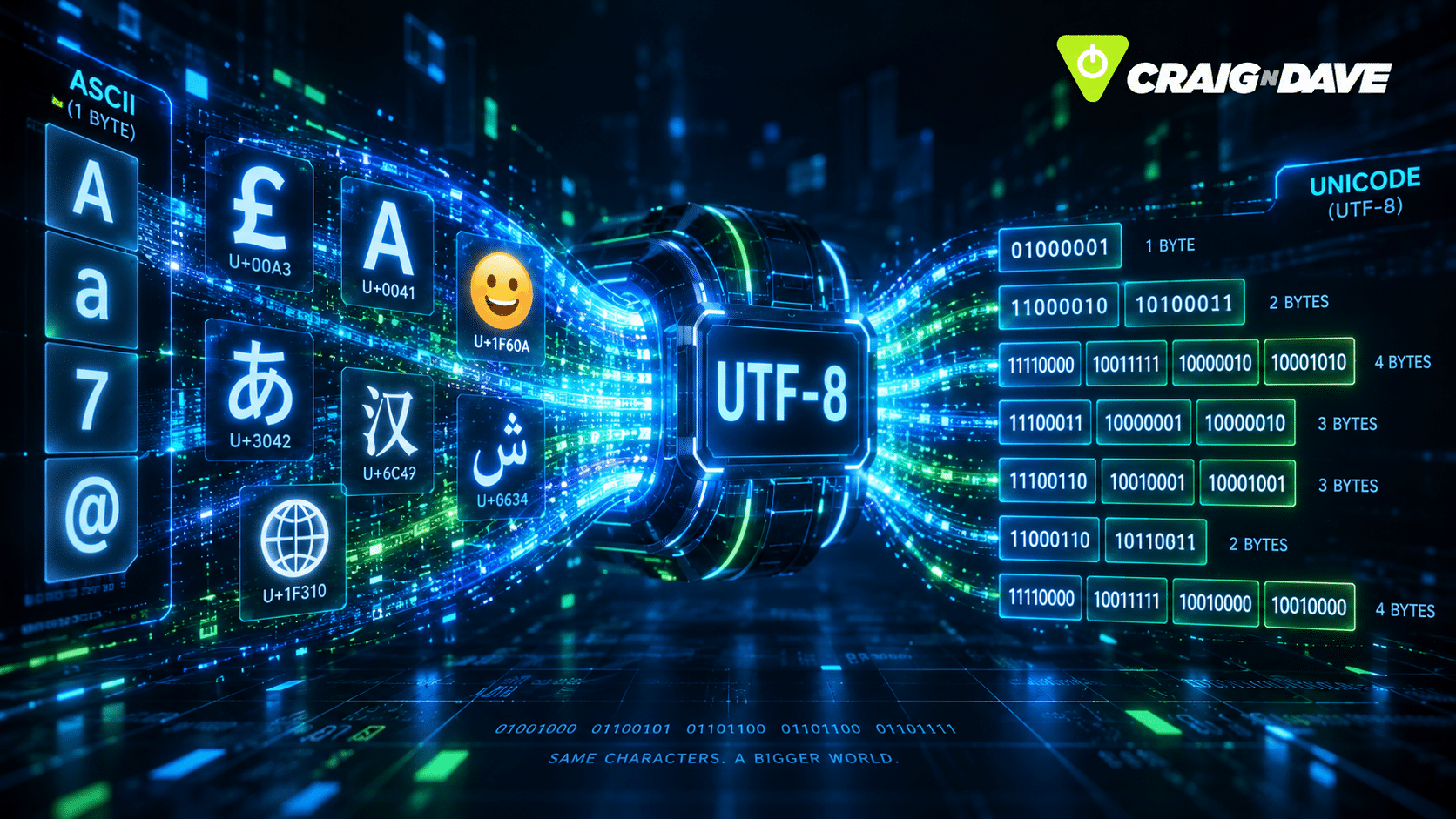
How does MP3 compression work?

Ever wondered how your music stays crisp while using barely any storage or data? MP3 compression cleverly shrinks audio files by removing sounds your ears won’t even notice.

When AI plays the music: The Velvet Sundown hoax that fooled the internet

An AI-generated band with 850,000 listeners and no real members?
The Velvet Sundown hoax reveals just how blurred the line between real music and artificial intelligence has become.

CPD at the Craig’n’Dave Festival of Computing 2026

One of the highlights of the Craig’n’Dave Festival of Computing each year is the sheer breadth and quality of CPD […]

24 February 2026

Handwriting and embodied cognition

Handwriting isn’t an old-fashioned chore—it’s a powerful tool for thinking, remembering, and encoding knowledge. Craig’n’Dave combines video, handwritten notes, and Smart Revise to create a complete “eyes–brain–hand” learning loop.

20 February 2026

February 2026 update to Smart Revise

We’ve released a set of updates designed to give teachers more flexibility, improve assessment accuracy, and help students learn more […]

13 February 2026

Looking for something else?

Have any questions?

Visit our Helpdesk to get answers!

Visit page

Explore our full range of Study Tools

Visit page

Join us today to download free resources

Sign Up

Study Tools

  • Student Stream
  • Resource Centre
  • Time 2 Code
  • Smart Revise
  • Festival of Computing

Information

  • About Craig’n’Dave
  • FAQ + Helpdesk
  • Shop
  • Contact us

Socials

  • Facebook logo
  • Twitter/X logo
  • YouTube logo
  • LinkedIn logo
© Copyright 2025 CraignDave Ltd. VAT Number: 290 9845 58 Registered in England and Wales: 10442992
  • Privacy
  • Terms of Use