
12 January 2026
If “vibe coding” sounds like something you’d do while lounging in a beanbag with lo-fi beats and herbal tea, you’re not alone. But despite its chilled-out name, vibe coding is a seriously powerful development method—and it’s changing the way we write software.
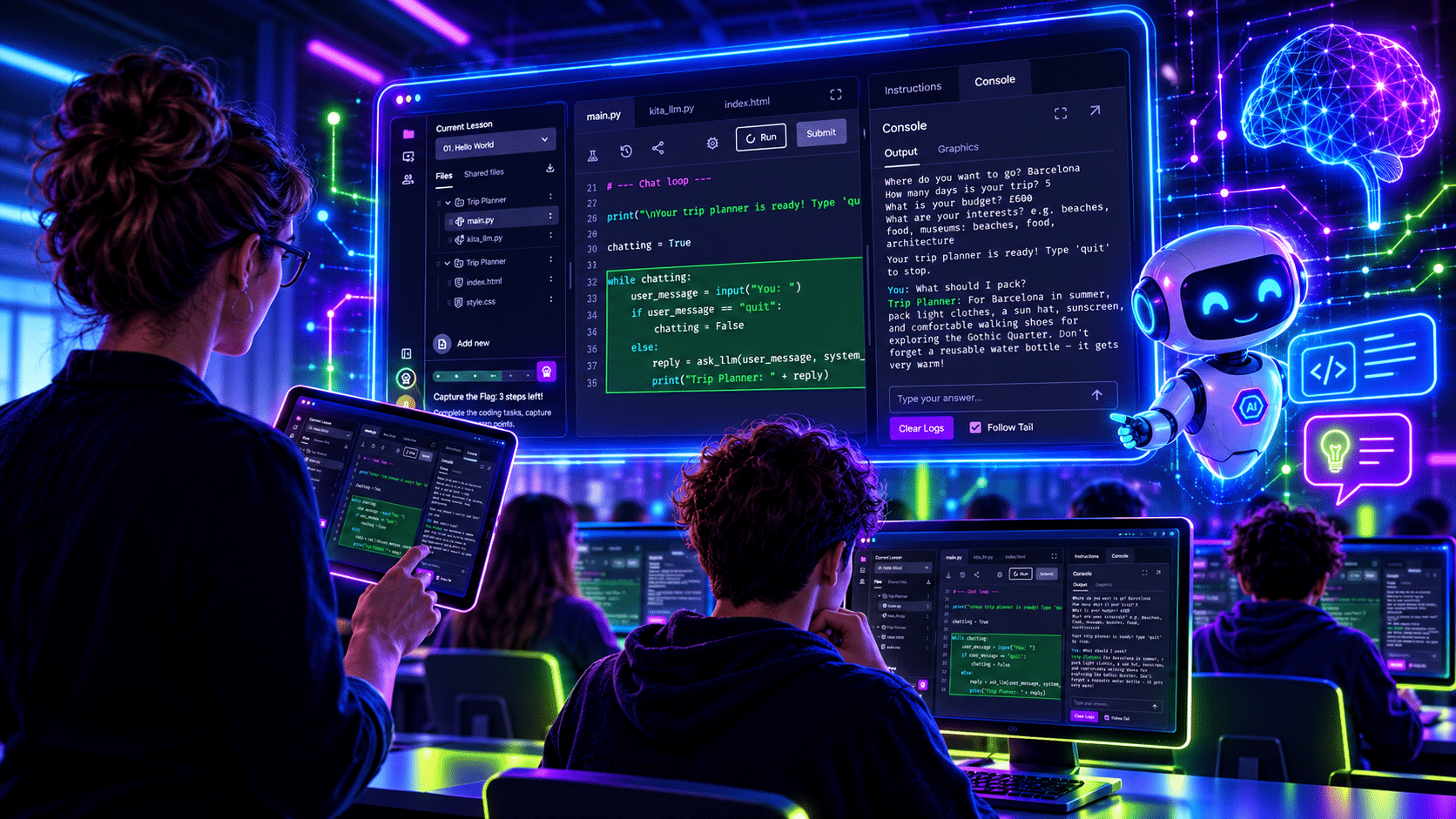
At its core, vibe coding means using plain English to tell an AI what you want your program to do. Instead of hammering out every loop, condition, and semicolon, you type something like: “Make a form that submits user data to the backend and shows a thank-you message.” The AI interprets your request and generates the code for you—sometimes even with documentation.
This magic happens thanks to large language models like GPT, which have been trained on vast amounts of code. They break your prompt into tokens, map those to patterns they’ve seen before, and predict the most likely next tokens to generate full functions, boilerplate files, and more. Think autocomplete on steroids.
What’s more, modern AI tools like Copilot, Cursor, and Replit are context-aware. They don’t just spit out code snippets—they understand your project structure, track variables across files, and can even refactor code you’ve long forgotten you wrote.
Of course, vibe coding isn’t flawless. The AI can “hallucinate” functions that don’t exist, or write code that looks great… until it crashes. It’s like having a super-keen intern: quick, clever, but occasionally wildly overconfident.
Still, for speeding up development, brainstorming solutions, or simply avoiding another late-night regex breakdown, vibe coding is a game-changer. You bring the ideas. The AI brings the syntax.
Watch our Lesson Hacker video here to explore more.
For more Lesson Hacker videos, check out the Craig’n’Dave YouTube playlist HERE.
Be sure to visit our website for more insights into the world of technology and the best teaching resources for computer science and business studies.
Stay informed, stay curious!