7 August 2026
Understanding the multitasking magic behind your computer’s chaos
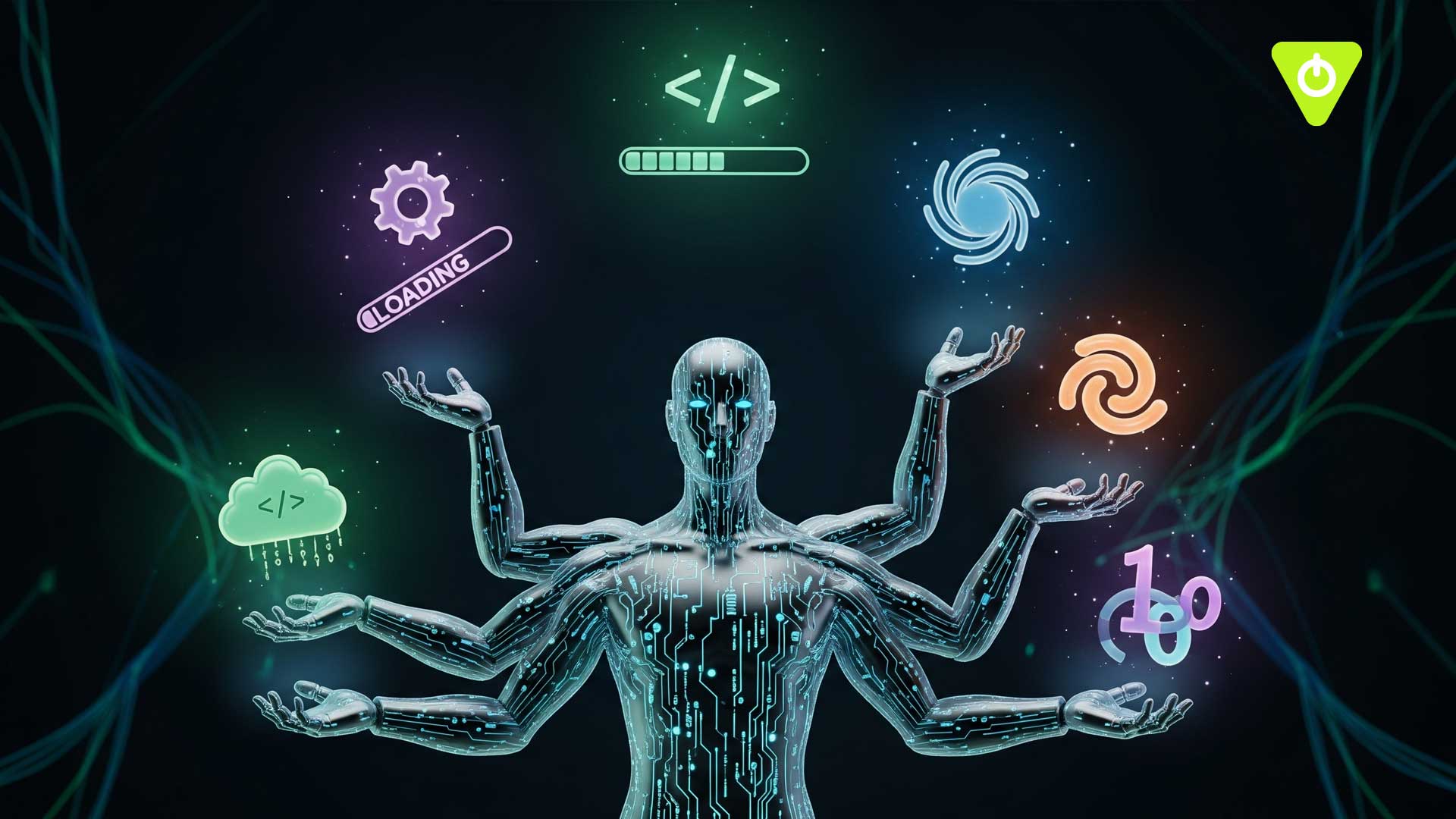
Ever wondered how your computer manages to load a website, stream music, and decode a video ad all at once—while you frantically alt-tab between tabs like a caffeinated squirrel? Welcome to the world of concurrency—one of the most powerful and misunderstood concepts in computer science.
So… what is concurrency?
Imagine you’re at a theme park with five mates. There’s one ride, and instead of queuing, everyone runs off to do their own thing—snacks, toilets, merch shopping, maybe even flirting with the wizard mascot. You all keep an eye on your phones and regroup when the ride’s ready. That’s concurrency in a nutshell.
In computing terms, concurrency is when a program tries to do multiple tasks at once. Not actually at the same time (unless you have multiple CPU cores), but switching between jobs so quickly that it feels simultaneous. It’s like a dinner party where everyone’s talking, and yet somehow dessert still turns up.
From websites to deadlocks
Take a typical web page: while it loads, your computer is fetching HTML, downloading fonts, decoding ads, playing your lo-fi playlist, and more—all concurrently. But there’s a catch. Just like your mates at the theme park, if one task forgets to “message the group chat”, the whole thing can stall. This is called a deadlock—when processes are left waiting on each other forever, like four polite Brits at a crossroads.
Why does concurrency matter?
Because it’s what keeps your computer feeling responsive. It lets your machine juggle workloads, share time, and make it look like everything’s happening at once. But just like a flash mob or a synchronised swim, it only works with proper coordination. Without it, things crash, freeze, or slow to a crawl (looking at you, Windows Update).
Want to know more? The Craig’n’Dave Lesson Hacker, explains all.
For more Lesson Hacker videos, check out the Craig’n’Dave YouTube playlist HERE.
Visit our website to explore more cutting-edge tech news in the computer science world!