28 September 2026
From ticking a box to AI-powered age checks
We’ve all seen it: you visit a website, it asks whether you’re over 18, and you confidently click “yes”. But these days, simply taking someone’s word for it isn’t always enough.
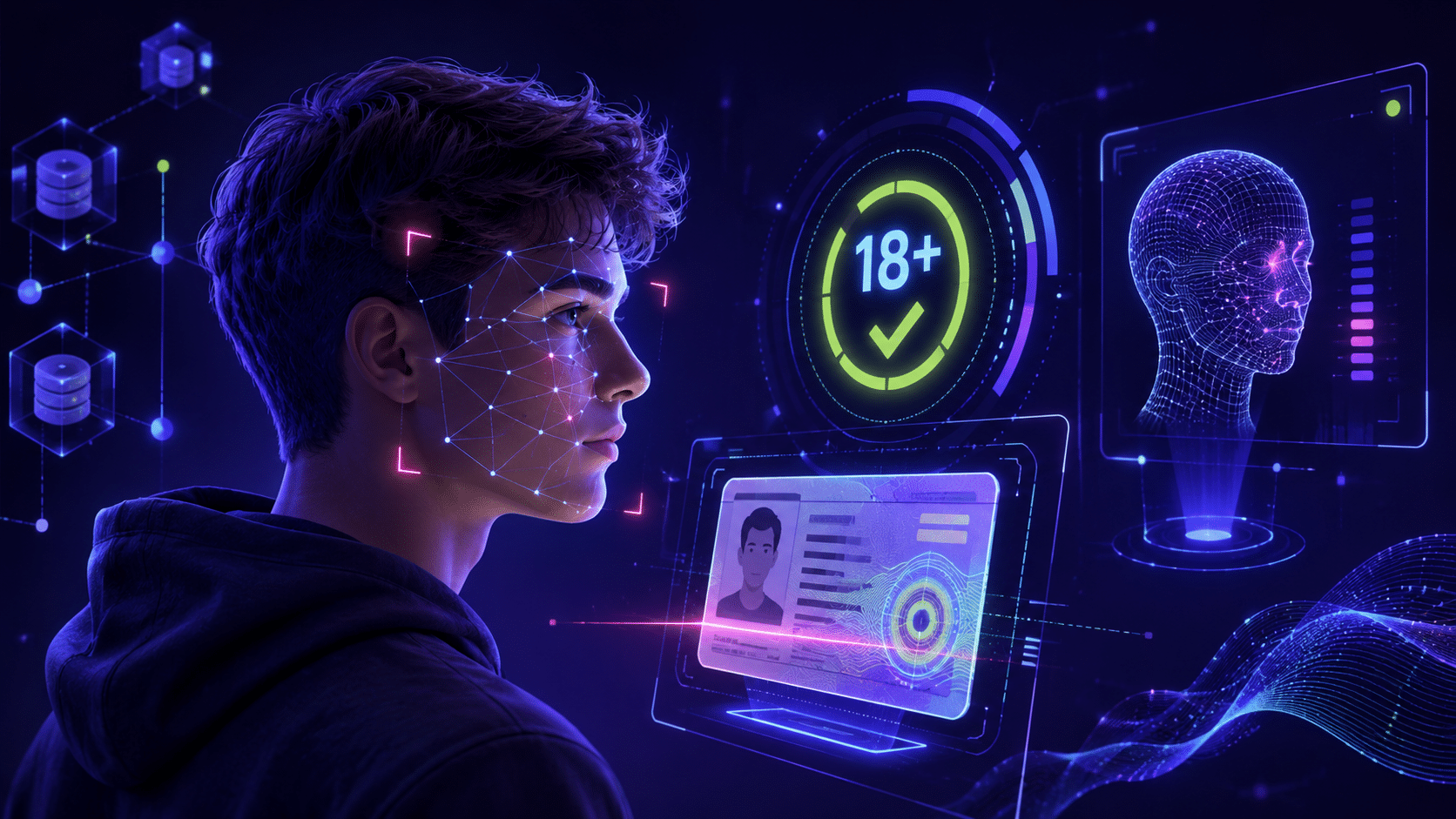
As online age restrictions become more important, age verification technology is becoming increasingly sophisticated. From databases and identity documents to artificial intelligence and facial recognition, there are several ways technology can determine whether someone is old enough to access online content.
Database checks: searching for your digital footprint
One of the simplest approaches is a database age check. You provide details such as your name, address or date of birth, and the system cross-references them against sources such as electoral registers, credit reference agencies or mobile phone records.
Rather than proving exactly who you are, the technology is essentially checking whether your details match a real person who meets the required age.
It can work well, but only if there is enough accurate information available. If you’ve recently moved house or have a limited digital footprint, things can become more complicated.
Document verification and OCR
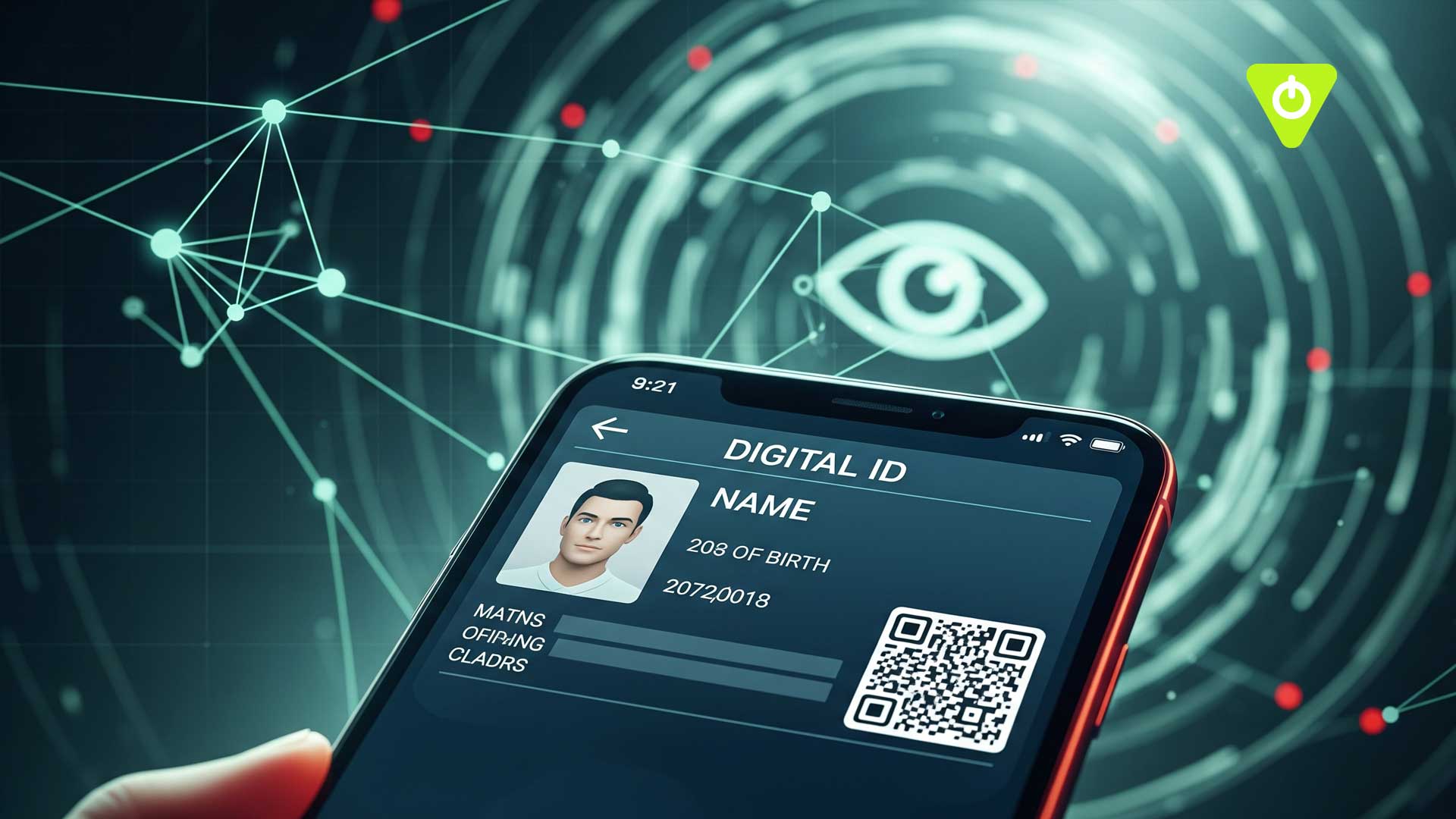
Another method is document verification. You may be asked to upload a passport or driving licence, which software then analyses for security features, layouts and machine-readable information.
Optical character recognition (OCR) can extract information such as your date of birth, while liveness detection can help establish that you’re a real person rather than someone simply holding up a photograph.
This technology is already widely used by banks and other organisations for online identity checks.
Can AI really guess your age?
One of the more controversial methods is facial age estimation. A camera captures your face and a neural network estimates your age based on patterns learned from large datasets.
However, factors such as lighting, camera quality, facial hair, makeup and other characteristics can affect the result. This raises important questions about accuracy, bias and privacy.
The benefits and the concerns
For websites, automated age verification offers speed and scale. Systems can process huge numbers of users without requiring people to manually check identification.
But there are trade-offs, including false positives, data privacy and security concerns. Asking users to provide documents or facial information also raises questions about how much personal data should be required to access online content.
Age verification technology may be getting smarter, but it highlights an important computer science question: just because technology can verify something, does that mean we should always use it?
Want to see age verification technology in action? Watch our Lesson Hacker video to explore how these systems work and the computer science behind them.

Discover more computer science videos, resources and teaching materials at Craig’n’Dave.org