Back

What is a VPN?

12 August 2026

Understanding VPNs: Your guide to online privacy

In today’s digital world, privacy online is more important than ever. One of the most common tools people use to protect themselves is a VPN, or Virtual Private Network. But what exactly is a VPN, and how does it work? Let’s break it down in simple, relatable terms.

How a VPN works

Normally, when you browse the internet, websites can see your IP address, your location, and sometimes even your online activity. Think of it like sending a postcard: anyone handling it along the way can read the message and see who sent it.

A VPN acts as a middleman. When you send a request online, it first goes to the VPN server. The server then forwards the request to the website, which only sees the VPN’s IP address—not yours. The response comes back through the VPN, keeping your data hidden from prying eyes like your ISP or anyone snooping on public Wi-Fi.

Benefits of using a VPN

VPNs are great for enhancing privacy and security. They’re particularly useful on public Wi-Fi networks, where your data is most vulnerable. VPNs can also make it appear as though you’re browsing from another country, opening up access to geo-restricted content like international Netflix libraries.

Things to keep in mind

While a VPN hides your traffic from your ISP, the VPN provider itself can see your online activity. Choosing a trustworthy provider is essential—after all, you’re trading one “watcher” for another. A VPN isn’t a magic invisibility cloak; it simply makes you harder to track, offering an extra layer of privacy rather than complete anonymity.

In short, VPNs are practical privacy tools for everyday online use. They help protect your data, improve security on public networks, and can even give you access to content abroad. Just remember to use them wisely and avoid risky behaviour online.

Want to see VPNs explained in action? Check out our Lesson Hacker’s YouTube video.

For more Lesson Hacker Videos, check out the Craig’n’Dave YouTube playlist HERE.

Be sure to visit our website for more insights into the world of technology and the best teaching resources for computer science and business studies.
Stay informed, stay curious!


Related posts

If a NOT gate turns zero into one, where does that one come from?

How does a NOT gate turn a 0 into a 1 without creating something from nothing? Discover how voltage, transistors and digital logic work together to power the technology inside every modern computer.

15 October 2026

Ofsted after the Big Listen: have the rules changed, or just the packaging?

Ofsted has changed its inspection framework, but many school leaders question whether it has changed the culture surrounding inspection. We explore whether report cards can rebuild trust, reduce pressure and create an accountability system that genuinely helps schools improve.

9 October 2026

Should I make my own resources?

Should teachers really be making all their own resources? We explore the balance between creating, buying and adapting resources — and why thoughtful planning matters more than who made them.

5 October 2026

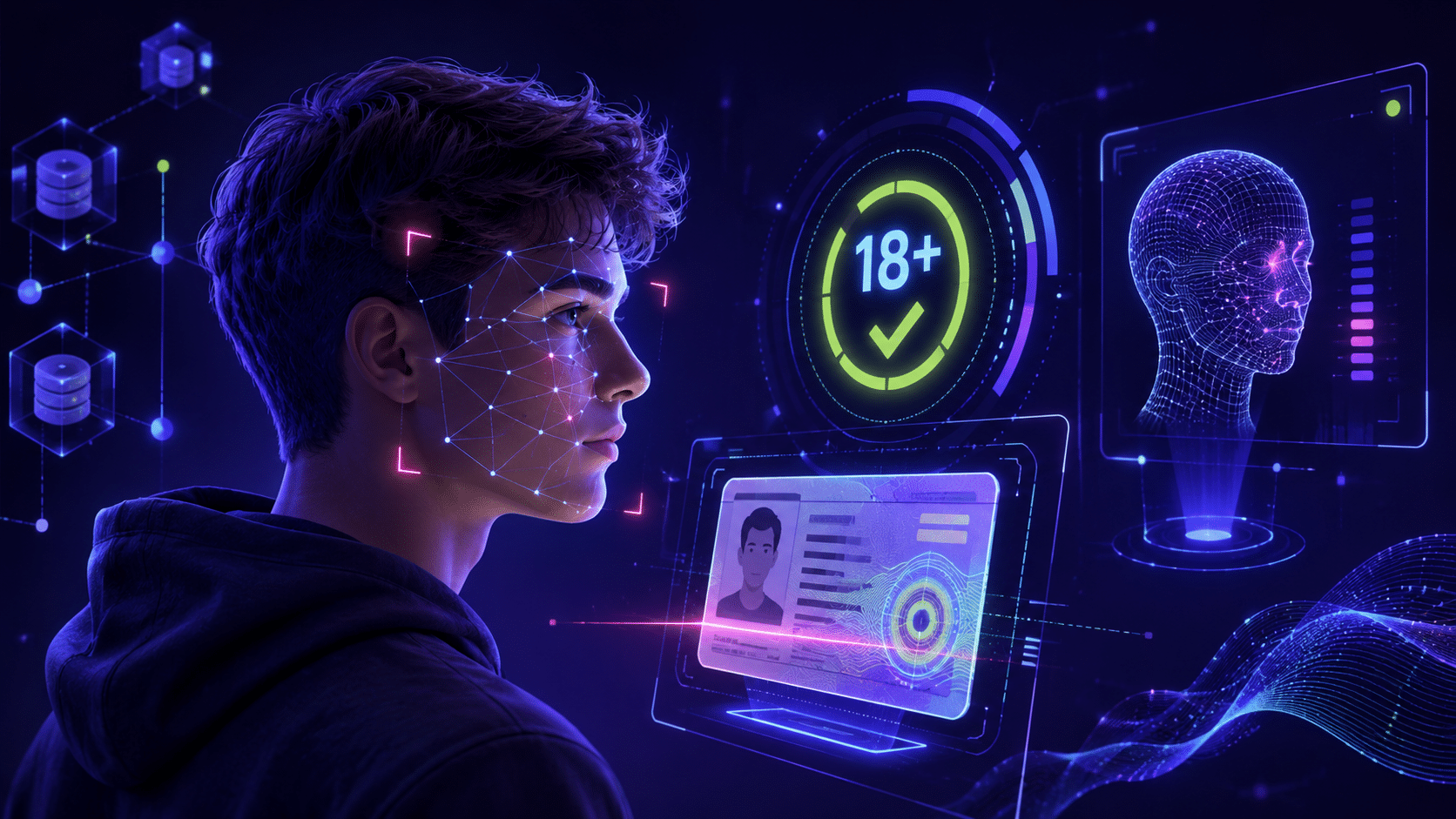
How does age verification technology work?

Can technology really tell how old you are? Explore the computer science behind age verification and the privacy and accuracy questions it raises.

28 September 2026

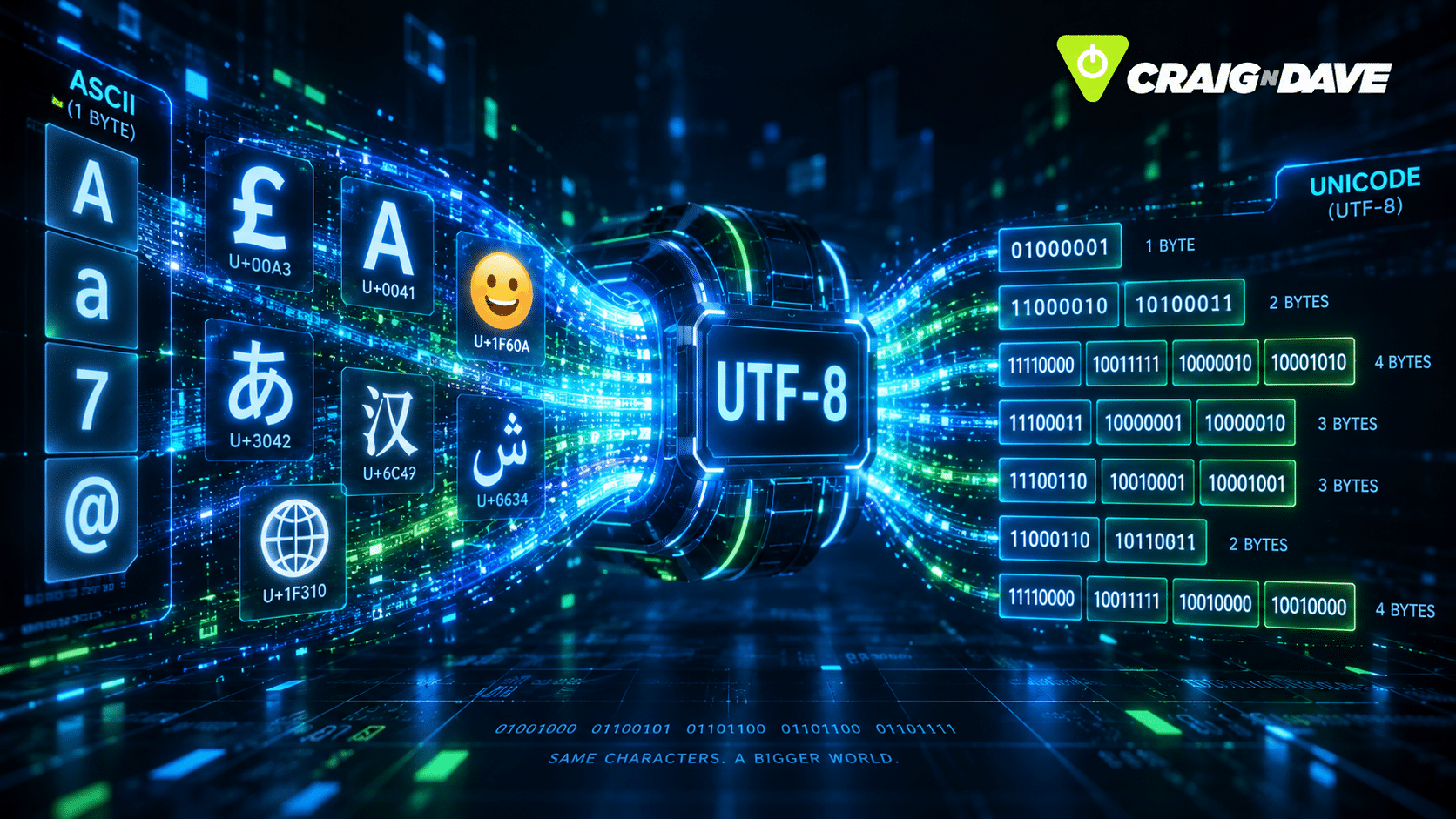
UTF-8 is witchcraft, right?

Ever wondered how your computer can happily store a simple English letter, an emoji, a pound sign and characters from […]

22 September 2026

Why teaching models keep returning

Teaching frameworks can provide valuable guidance, but when they become rigid formulas, they can undermine professional judgement. The goal isn’t identical lessons – it’s consistently effective teaching.

18 September 2026

Do GCSEs doom students to fail?

GCSE results may look stubbornly flat, but the reality behind the numbers tells a very different story. Why has further improvement become so difficult, and are we measuring success in the right way?

11 September 2026

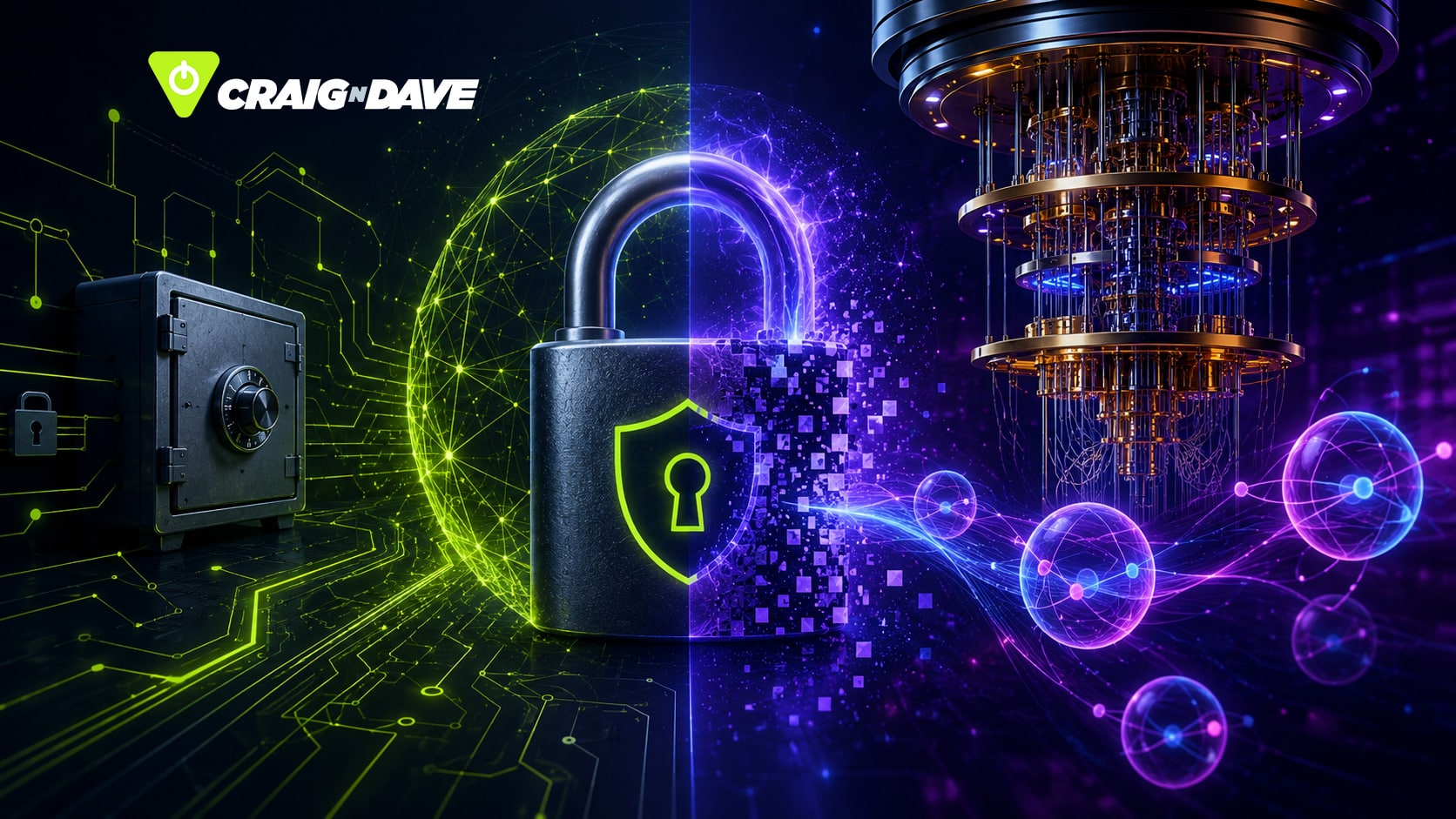
Will Quantum Computers Break Encryption?

Could quantum computers really break encryption and put our data at risk? We explore the reality behind the hype, from qubits and Shor’s Algorithm to the future of post-quantum security.

7 September 2026

Is AI a panacea?

AI is moving from experimentation to expectation in schools. But as adoption grows, the focus must shift from simply using AI to using it well. Discover how schools can balance workload, learning, safety and professional judgement — without losing the human element of great teaching.

4 September 2026