
2 September 2025
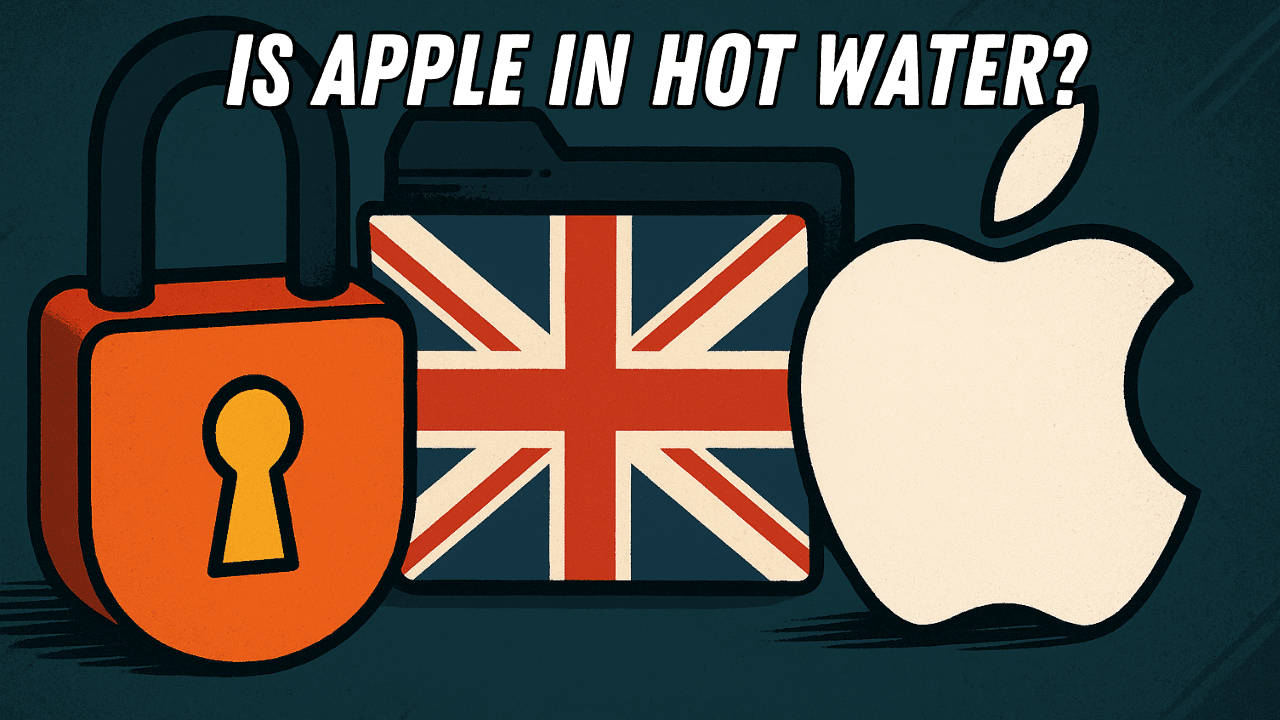
Apple just pulled a major privacy feature from the UK—and it wasn’t because they felt like it. The tech giant was asked by the UK government to weaken its encryption, effectively creating a backdoor to your iCloud data. Apple’s response? “Nah, we’ll just remove the whole feature instead.” But what does this mean for your privacy, and why is it such a big deal? Let’s break it down.
What is the snooper’s charter?
The Investigatory Powers Act (charmingly nicknamed the Snooper’s Charter) is a UK law that gives the government the right to demand access to encrypted data in the name of national security. Think terrorism, child abuse, and organised crime—the heavy stuff.
In theory, this law is about protecting the public. But in practice, it means the government can secretly force tech companies to create backdoors, making once-secure systems vulnerable. The problem? Encryption is designed so not even Apple can access your private data. The whole point is that your information is locked in a digital vault that only you have the key to.
Apple’s response: No vault for you
Rather than creating a secret backdoor, Apple took a different approach. They simply removed their C (ADP) feature from the UK altogether. ADP gave iCloud data an extra layer of encryption that even Apple couldn’t crack.
By pulling the feature, Apple essentially said, “If we can’t guarantee privacy, you can’t have it.” It’s a bold move—one that’s left privacy advocates cheering and the UK government fuming.
Why does this matter?
If you were using ADP in the UK, it’s now gone. Your iCloud data is no longer as secure as it was. But the impact goes beyond just Apple users.
If the UK government wins its legal battle to force Apple (and potentially other companies) to add backdoors, it could set a global precedent. Governments worldwide might demand the same, making everyone’s data—from journalists and activists to everyday users—more vulnerable. And once a backdoor exists, it’s not just governments that will exploit it. Hackers, cybercriminals, and shady data brokers will be lining up too.
What can you do?
If you’re concerned about your privacy, you might want to look into alternative encrypted storage solutions. Or, if the UK keeps pushing for more data access, you may have to resort to smuggling USB sticks across the Channel like some kind of 21st-century data bootlegger.
Want to dive deeper?
This is just a glimpse into the ongoing battle between governments and tech companies over your privacy.
Watch the full video on our Craig’n’Dave YouTube channel.

For more insights, resources, and lesson content, head over to our website: craigndave.org.
Stay informed, stay secure, and stay tuned.