Back

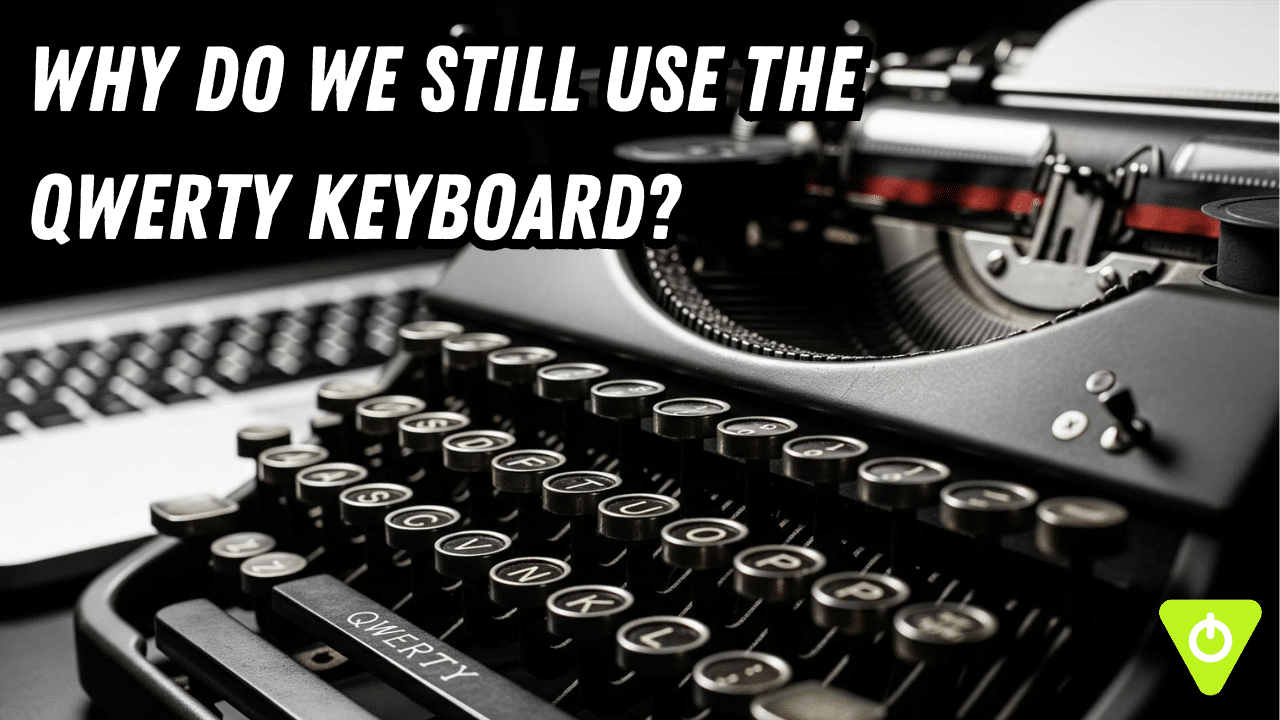
Why do we still use the qwerty keyboard – even though it makes no sense?

The baffling history of QWERTY and why it’s here to stay

6 January 2026

Have you ever stared at your keyboard and wondered why the letters seem scattered at random—as if someone lost a bet in the 19th century? That’s the QWERTY layout for you. It’s the standard we all use, but few of us know why… or how we ended up stuck with it.

The story begins in the 1870s with Christopher Sholes, the inventor of the first commercially successful typewriter. Early typewriters had a major flaw: they jammed when nearby keys were struck too quickly in succession. So, instead of creating a logical, alphabetical layout, Sholes rearranged the keys to slow things down—not to frustrate typists, but to stop the typewriter from throwing a mechanical tantrum mid-sentence. That’s how “QWERTY” was born.

Over the years, others have tried to fix it. The Dvorak layout is one such alternative, engineered for speed and efficiency. In theory, it’s better. In practice? Not so much. 

Learning a new layout is like learning to write with your non-dominant hand while your friends roll their eyes every time they need to borrow your laptop. Studies show the performance gains are minimal at best—and honestly, who has time to re-learn how to type?

Like GCSEs and Windows updates, QWERTY has stuck around—not because it’s ideal, but because change is hard. It’s embedded in everything: your laptop, your phone, even your smart fridge. Changing it now would take a digital revolution… and most of us can’t even find the “@” symbol without squinting.

So next time your fingers fumble across the keyboard, don’t blame yourself. Blame history. And Christopher Sholes.

Watch the full Lesson Hacker video to dive deeper into the weird world of QWERTY – and laugh while you learn!
For more Lesson Hacker videos, check out the Craig’n’Dave YouTube playlist HERE.

Be sure to visit our website for more insights into the world of technology and the best teaching resources for computer science and business studies.

Stay informed, stay curious!

Related posts

Does anyone still use low-level code?

Low-level programming isn’t dead — it quietly powers the devices we rely on every day, from cars to toasters. If you love digging into game engines, compilers, or hardware drivers, your skills are more essential than ever.

14 January 2026

Should AI have morals?

Should AI always agree with us, or tell us when we’re wrong? We explore whether artificial intelligence should be kind, or correct — and why the answer really matters.

13 January 2026

What is vibe coding? Is it the future of programming?

Vibe coding lets you tell an AI what you want in plain English—and it writes the code for you. But is it genius productivity or just a confident intern with a wild imagination?

12 January 2026

What does a GPU actually do?

A GPU isn’t just a graphics chip—it’s like a room full of toddlers with crayons, all scribbling at once to bring your game to life. While CPUs think carefully, GPUs colour fast.

9 January 2026

Fail safeguarding if phone used in school?

Should schools fail an Ofsted safeguarding inspection because of mobile phones? We dig into the headlines claiming schools should fail Ofsted if pupils are seen using phones.

Should beginners use AI to code?

Should beginners use AI to help them code? It might seem like a shortcut—but relying on it too soon could stop you learning the skills you actually need.

8 January 2026

Is the Online Safety Act protecting us, or going too far?

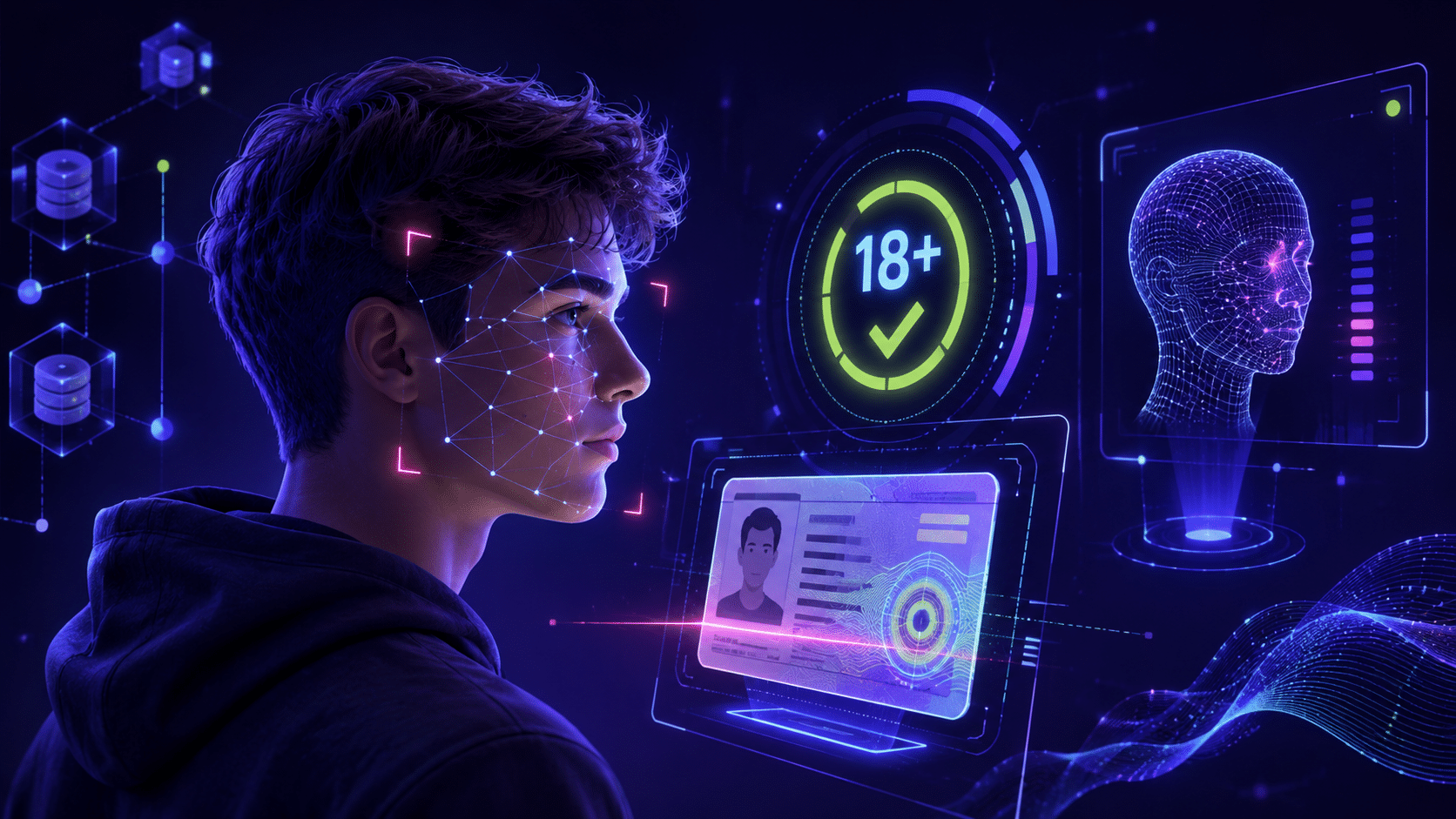
The UK’s new Online Safety Act aims to protect young people online, but its sweeping measures are raising big questions about privacy, freedom, and access to information. Is it safeguarding the vulnerable, or simply going too far?

7 January 2026

Unlocking the Craig’n’Dave Resource Centre

Discover the Craig’n’Dave Resource Centre — over 4,000 editable GCSE and A-level computer science resources designed by real teachers. Perfect for refreshing lessons, boosting engagement, and saving time in the classroom.

16 December 2025

The biggest curriculum shake-up in a decade – Part 3

Discover what the new Progress 8 and Attainment 8 changes really mean for curriculum planning — and why computing still sits in a tricky spot.
In part three of our CAR breakdown, we unpack the shifts, the challenges, and what they might mean for your department.

28 November 2025