Back

Why Should I Care About GDPR?

Because Your Data Isn’t a Game of Pass-the-Parcel

30 September 2025

Let’s face it, GDPR doesn’t sound like the most thrilling topic. But if you’ve ever wondered what happens to your personal information after you sign up to a website or click “I accept” on a cookie banner, the General Data Protection Regulation might just be your new best friend.

Introduced by the EU, GDPR is essentially a set of rules telling companies: stop hoarding user data like dragons with a spreadsheet addiction. It gives you rights—real, enforceable rights—over your personal information.

What does GDPR actually do for you?

  • Right to be forgotten – You can ask a company to delete your data.
  • Right of access – You can find out exactly what information a company holds on you (even if it’s just confirming your weakness for online sales).
  • Right to know about breaches – If your data leaks, they have to tell you. No more shady silence while your details end up in the wrong hands.

And if they don’t play by the rules?

Companies face serious fines—we’re talking €20 million or 4% of their annual global turnover, whichever is higher. That’s not something you can brush off with a few coins from under a billionaire’s sofa cushion.

But what about those annoying cookie pop-ups?

Yes, those are part of GDPR too. Unfortunately, some companies make rejecting tracking more complicated than assembling flat-pack furniture. It’s compliance—just not the user-friendly kind.

And here’s a curveball: if a government demands your data, companies might not be allowed to tell you. That’s where confidentiality notices come in—forcing silence and keeping you in the dark.

So… should you care?

Absolutely. GDPR gives you power in a world where data is currency. If you want even a sliver of control over how your personal details are used, GDPR is a pretty big deal.

🎥 Want to dive deeper? Watch the full video on our YouTube channel, where the Craig’n’Dave Lesson Hacker breaks it down.

🌐 Looking for more computer science content? Explore our resources at Craig’n’Dave

Related posts

What is Endianness?

Welcome to the quirky world of endianness — a classic computing debate that’s as petty as indenting code with tabs versus spaces or whether ketchup belongs in the fridge.

15 January 2026

Does anyone still use low-level code?

Low-level programming isn’t dead — it quietly powers the devices we rely on every day, from cars to toasters. If you love digging into game engines, compilers, or hardware drivers, your skills are more essential than ever.

14 January 2026

Should AI have morals?

Should AI always agree with us, or tell us when we’re wrong? We explore whether artificial intelligence should be kind, or correct — and why the answer really matters.

13 January 2026

What is vibe coding? Is it the future of programming?

Vibe coding lets you tell an AI what you want in plain English—and it writes the code for you. But is it genius productivity or just a confident intern with a wild imagination?

12 January 2026

Trinket is shutting down in June 2026

Time2Code uses Trinket as its online IDE for Python. Unfortunately, that service is shutting down later this year, probably in […]

9 January 2026

What does a GPU actually do?

A GPU isn’t just a graphics chip—it’s like a room full of toddlers with crayons, all scribbling at once to bring your game to life. While CPUs think carefully, GPUs colour fast.

Fail safeguarding if phone used in school?

Should schools fail an Ofsted safeguarding inspection because of mobile phones? We dig into the headlines claiming schools should fail Ofsted if pupils are seen using phones.

Should beginners use AI to code?

Should beginners use AI to help them code? It might seem like a shortcut—but relying on it too soon could stop you learning the skills you actually need.

8 January 2026

Is the Online Safety Act protecting us, or going too far?

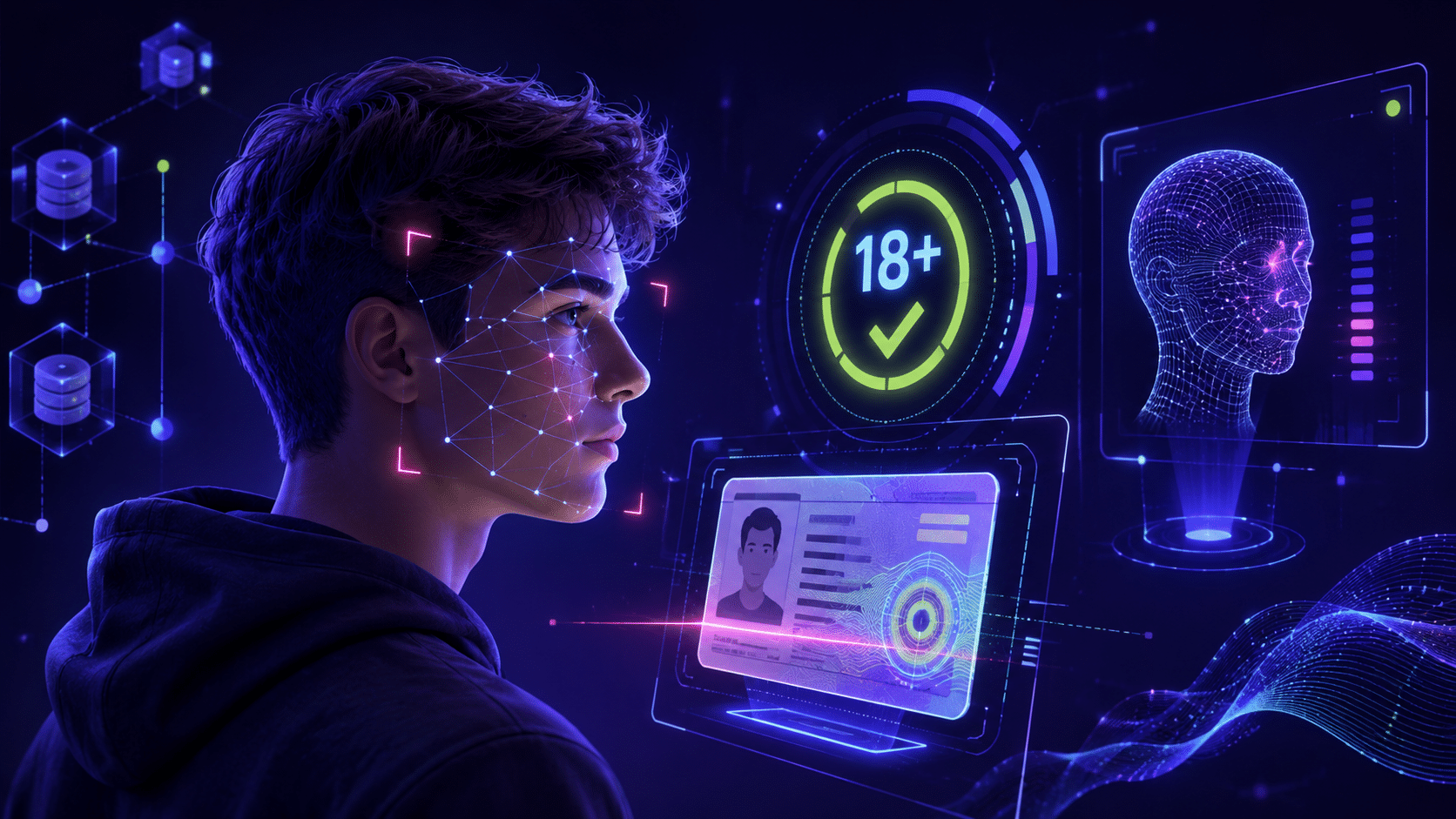
The UK’s new Online Safety Act aims to protect young people online, but its sweeping measures are raising big questions about privacy, freedom, and access to information. Is it safeguarding the vulnerable, or simply going too far?

7 January 2026