
14 January 2025

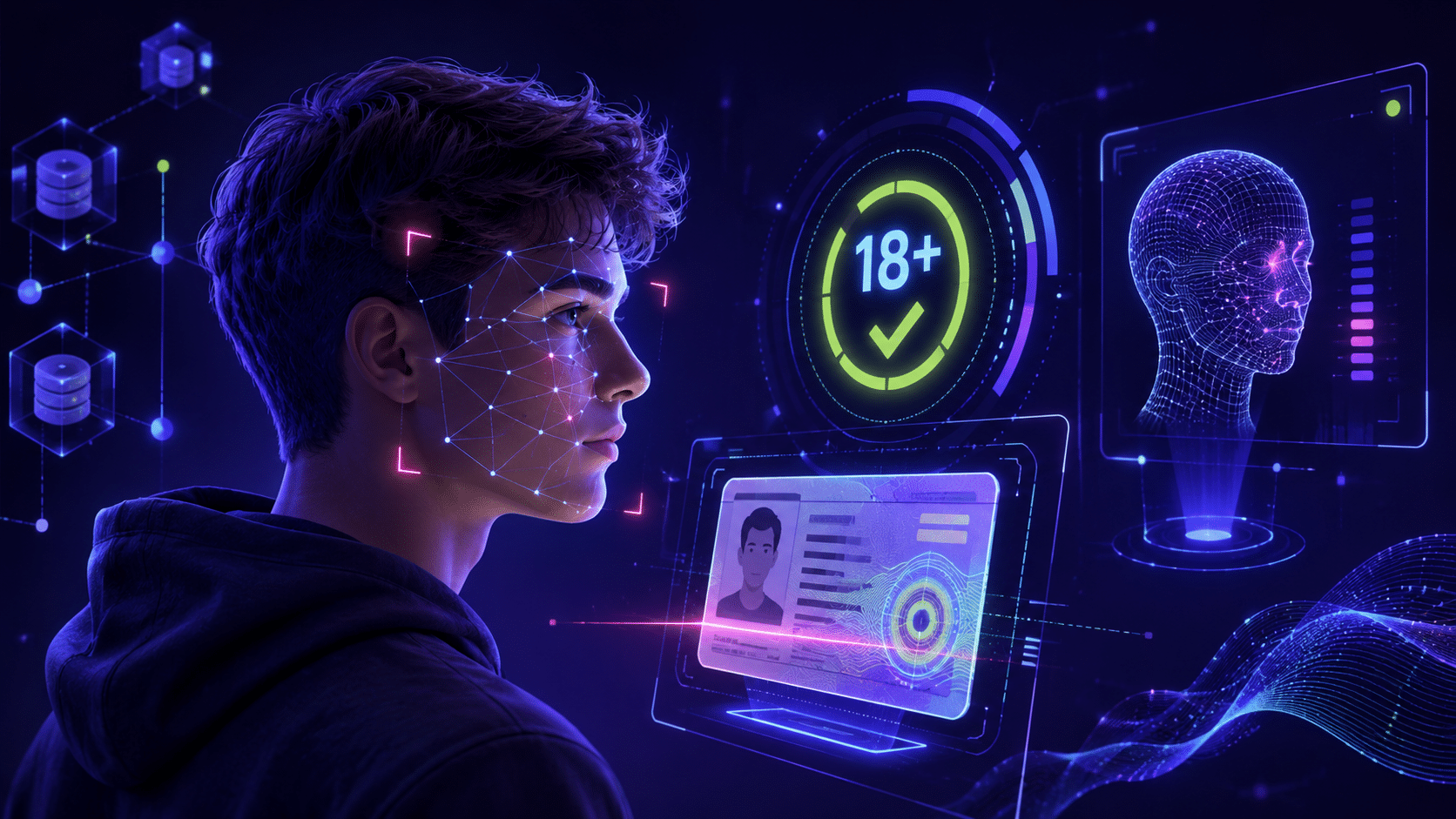
We’re diving into the uncanny world of artificial intelligence, specifically AI-generated faces. These days, it’s getting harder and harder to tell what’s real and what’s not. So, let’s explore why AI faces are so convincing, the potential risks, and what we can do about it.
The Growing Power of AI in Creating Human Faces
Imagine scrolling through your social media feed. You see familiar faces, but wait—are they all real? Thanks to advances in AI, computers are now generating hyper-realistic human faces that can fool even the sharpest eyes. A recent study from Aberdeen University showed that most of us can’t reliably distinguish between real human faces and AI-generated ones, with a 65% misidentification rate.
That’s right, most people are flipping a coin when guessing whether a face is AI-made or naturally human.
Why Are AI Faces So Hard to Spot?
It turns out that AI’s secret weapon is hyperrealism. These generated faces have perfectly balanced features and a lifelike sparkle in their eyes. For most people, this makes AI faces incredibly hard to detect. The study found that even those confident in their answers were often wrong, revealing a classic “confidence paradox” – the more convinced we are, the more likely we’re mistaken.
Surprisingly, humans are at their peak face-recognition abilities at around 31 years old, so if you’re not there yet, or you’ve passed it, spotting AI faces might feel like a superpower slipping away.
The Dark Side: Bias, Fraud, and AI
While AI-generated faces can be fun (think video games and virtual avatars), there’s a troubling side to this tech. The data used to train AI is often biased, leading to AI-generated images that skew towards white faces. This ‘whitewashing’ problem creates racial disparities, and worse yet, the potential for misuse is huge. Think identity theft, fraud, or even law enforcement misuse through facial recognition software.
What’s Next? How Do We Stay Safe?
So, what can we do? Aberdeen University is already educating schools about the risks of AI-generated images and online fraud. But there’s more to be done. We need transparency, tools to spot fake faces, and public awareness to ensure that AI technology doesn’t outpace our ability to control it.
AI is rapidly shaping our world, and we need to stay informed. As technology advances, it’s important to remain curious, sceptical and educated. Want to know more? Watch the full video below for a deeper dive, and check out our website for more content on tech, AI, and the future.
For more Lesson Hacker Videos check out the CraignDave YouTube playlist HERE.
Visit our website to explore more cutting-edge tech-transforming news in the computer science world!