Back

Should beginners use AI to code?

8 January 2026

Here’s why the answer isn’t so simple. AI can be an amazing tool for coders—but should absolute beginners rely on it?

So, you’ve just dipped your toes into the world of coding—still coming to terms with variables, loops, and the existential dread of debugging. Then someone tells you, “Just use AI, it’ll write the code for you!” Sounds tempting, right? 

But here’s why that shiny tool might be more lightsaber than lifesaver.

Imagine giving a Jedi weapon to someone who’s only just mastered the art of stick-fighting. That’s what it’s like handing over AI code generation tools to a beginner. Yes, it’s powerful. Yes, it sounds impressive. But if you don’t yet understand the basics, there’s a real risk of slicing through your logic and confidence.

This isn’t to say you should avoid AI altogether. In fact, it can be an incredible tutor—if you use it the right way. Ask it questions. Explore its answers. Use it to understand concepts like callbacks (which, let’s be honest, sound more like something your ex never gave you). But don’t fall into the trap of copying and pasting code like you’re following a recipe from the internet—because while it might work, you won’t truly know how or why.

AI should be your sidekick, not your saviour. 

It’s brilliant when you need a quick fix or to meet a tight deadline. But if your goal is to learn how to code—really learn—then you need to do the thinking. The debugging. The failing and fixing.

Because one day, you’ll face AI-generated code that doesn’t work. And if you’ve skipped the hard stuff, you’ll be stuck—realising, with horror, that the problem isn’t the code. It’s you.


Watch our Lesson Hacker video here to explore more.

For more Lesson Hacker videos, check out the Craig’n’Dave YouTube playlist HERE.

Be sure to visit our website for more insights into the world of technology and the best teaching resources for computer science and business studies.

Stay informed, stay curious!
Related posts

The school initiatives worth keeping and the ones worth leaving behind

Are school policies and classroom initiatives genuinely improving learning, or are they creating unnecessary work for teachers? We explore why purpose, consistency and common sense matter more than simply ticking boxes.

6 November 2026

How do recommendation algorithms decide what you see?

Ever wondered how TikTok, YouTube, and Instagram seem to know exactly what you’ll watch next? Recommendation algorithms use your behaviour – not your opinions – to predict what you’ll engage with in real time.

4 November 2026

Why can’t Python count properly?

Ever typed 0.1 + 0.2 in Python and got 0.30000000000000004 instead of 0.3? It’s not a bug – it’s a fascinating quirk of how computers store numbers in binary.

28 October 2026

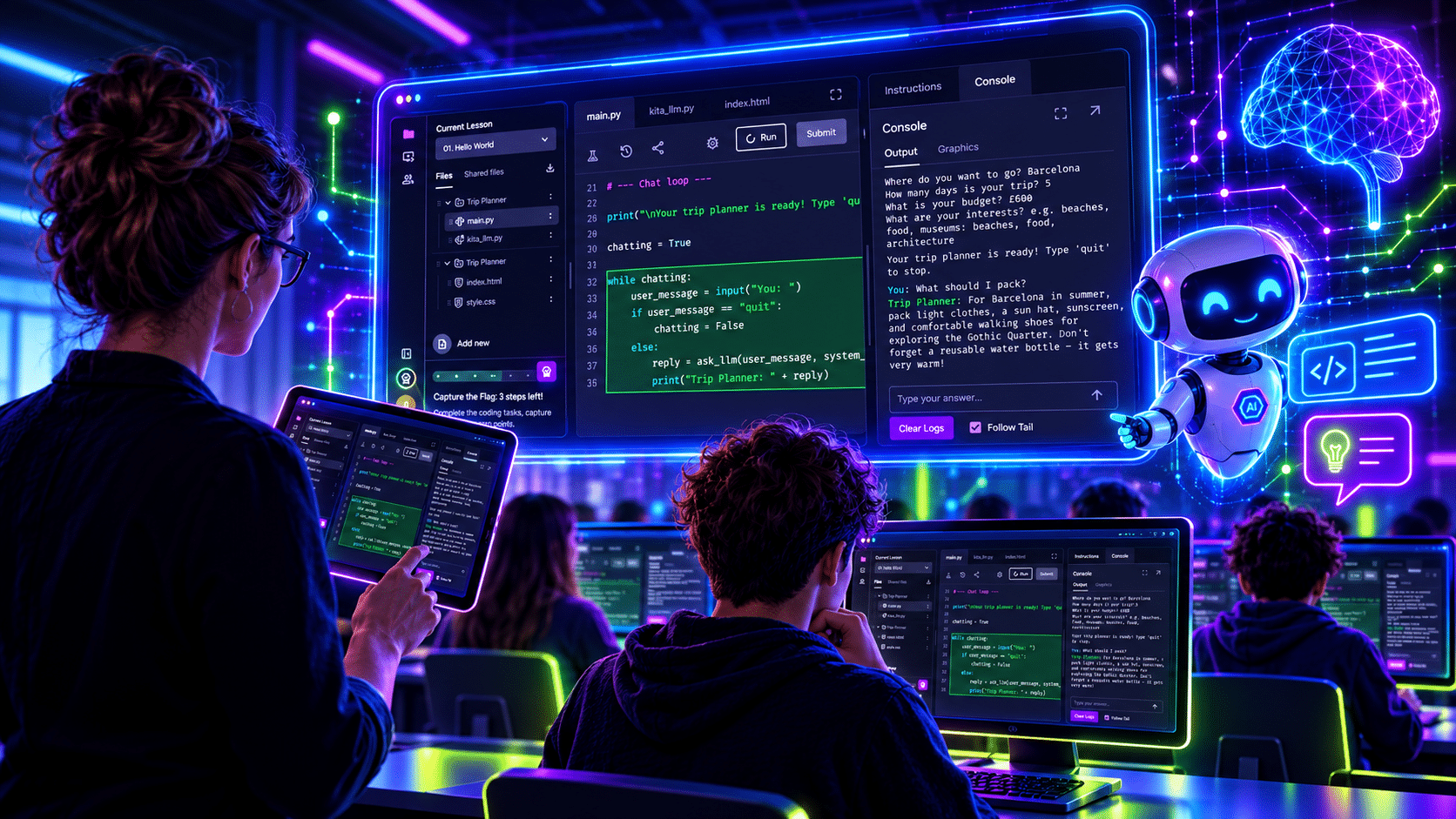
Beyond the IDE: programming lessons in the age of AI

One of the most persistent challenges in a programming classroom is knowing what every student is doing at any given […]

23 October 2026

If a NOT gate turns zero into one, where does that one come from?

How does a NOT gate turn a 0 into a 1 without creating something from nothing? Discover how voltage, transistors and digital logic work together to power the technology inside every modern computer.

15 October 2026

Ofsted after the Big Listen: have the rules changed, or just the packaging?

Ofsted has changed its inspection framework, but many school leaders question whether it has changed the culture surrounding inspection. We explore whether report cards can rebuild trust, reduce pressure and create an accountability system that genuinely helps schools improve.

9 October 2026

Should I make my own resources?

Should teachers really be making all their own resources? We explore the balance between creating, buying and adapting resources — and why thoughtful planning matters more than who made them.

5 October 2026

How does age verification technology work?

Can technology really tell how old you are? Explore the computer science behind age verification and the privacy and accuracy questions it raises.

28 September 2026

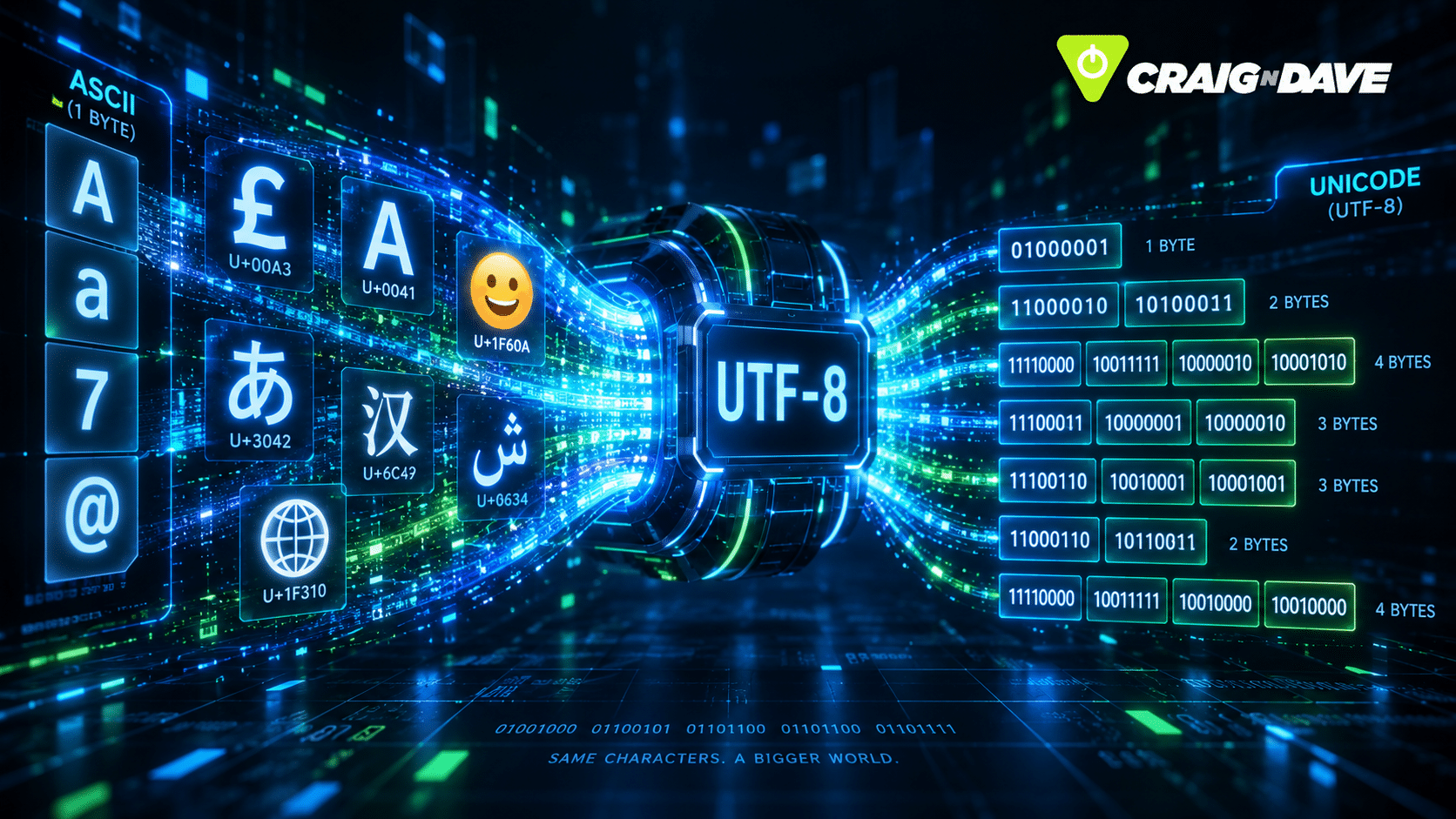
UTF-8 is witchcraft, right?

Ever wondered how your computer can happily store a simple English letter, an emoji, a pound sign and characters from […]

22 September 2026