Back

Why your bluetooth audio always seems a little delayed?

17 August 2026

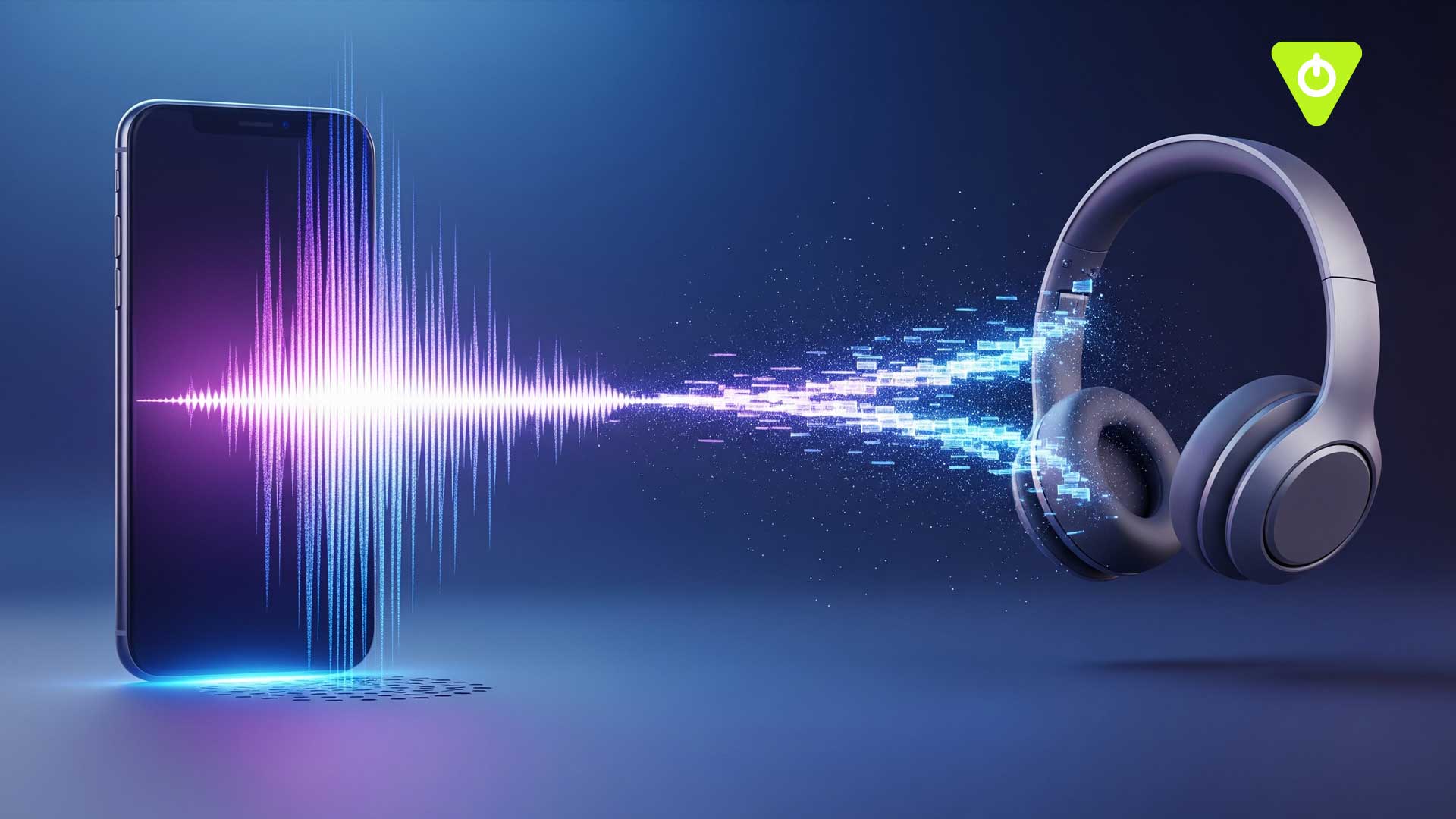
Ever noticed a slight lag between what you see and what you hear when using wireless headphones? It’s not just in your head — there’s a lot going on behind the scenes.

The science behind the delay

You might think: “But radio waves travel at the speed of light!” True — but your audio doesn’t travel alone. Before your favourite song or a YouTube video reaches your ears, it goes through a complicated journey. Your sound is chopped up, compressed, encrypted, labelled, packaged, and sent across the room. Once it arrives, your headphones need to unpack it, decode it, and convert it back to sound.

This process — known as encoding and decoding — isn’t instant.

Why headphones can’t just speed things up

Bluetooth headphones are designed to conserve battery life, not race your audio to your ears. The chips inside aren’t supercomputers; they’re more like “calculators with dreams.” They handle compression (via codecs like SBC, AAC, or aptX), error correction, and digital-to-analogue conversion — all on a tiny power budget.

And that’s before we mention interference. Bluetooth operates in the crowded 2.4 GHz spectrum, which is shared with Wi-Fi, microwaves, baby monitors, and even your neighbour’s smart toothbrush. When signals collide, your headphones politely check, resend, and correct errors. Slowly. Very Britishly.

Why your brain notices

All this behind-the-scenes work means that when you’re watching someone talk on video, their lips might move… and the sound catches up half a second later. Some devices try to fix this with video delay adjustments, but perceptive brains still spot it.

In short: it’s not the speed of the signal causing the lag — it’s the “paperwork” along the way.

Watch the full Lesson Hacker video on our YouTube channel to get the full breakdown.

For more tech tips, tutorials, and computer science insights, visit our Craig’n’Dave website and explore everything we have to offer.

Related posts

If a NOT gate turns zero into one, where does that one come from?

How does a NOT gate turn a 0 into a 1 without creating something from nothing? Discover how voltage, transistors and digital logic work together to power the technology inside every modern computer.

15 October 2026

Ofsted after the Big Listen: have the rules changed, or just the packaging?

Ofsted has changed its inspection framework, but many school leaders question whether it has changed the culture surrounding inspection. We explore whether report cards can rebuild trust, reduce pressure and create an accountability system that genuinely helps schools improve.

9 October 2026

Should I make my own resources?

Should teachers really be making all their own resources? We explore the balance between creating, buying and adapting resources — and why thoughtful planning matters more than who made them.

5 October 2026

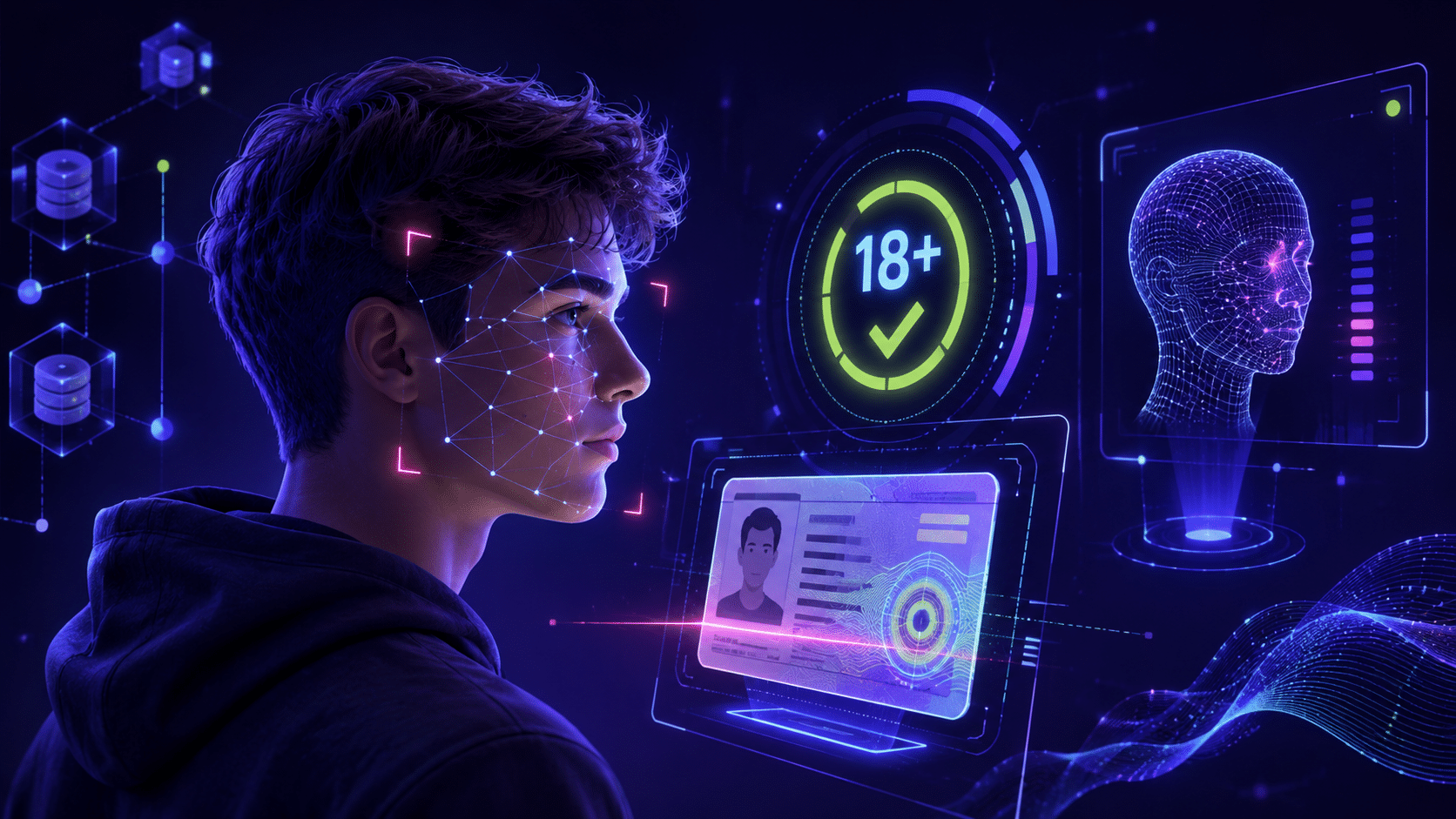
How does age verification technology work?

Can technology really tell how old you are? Explore the computer science behind age verification and the privacy and accuracy questions it raises.

28 September 2026

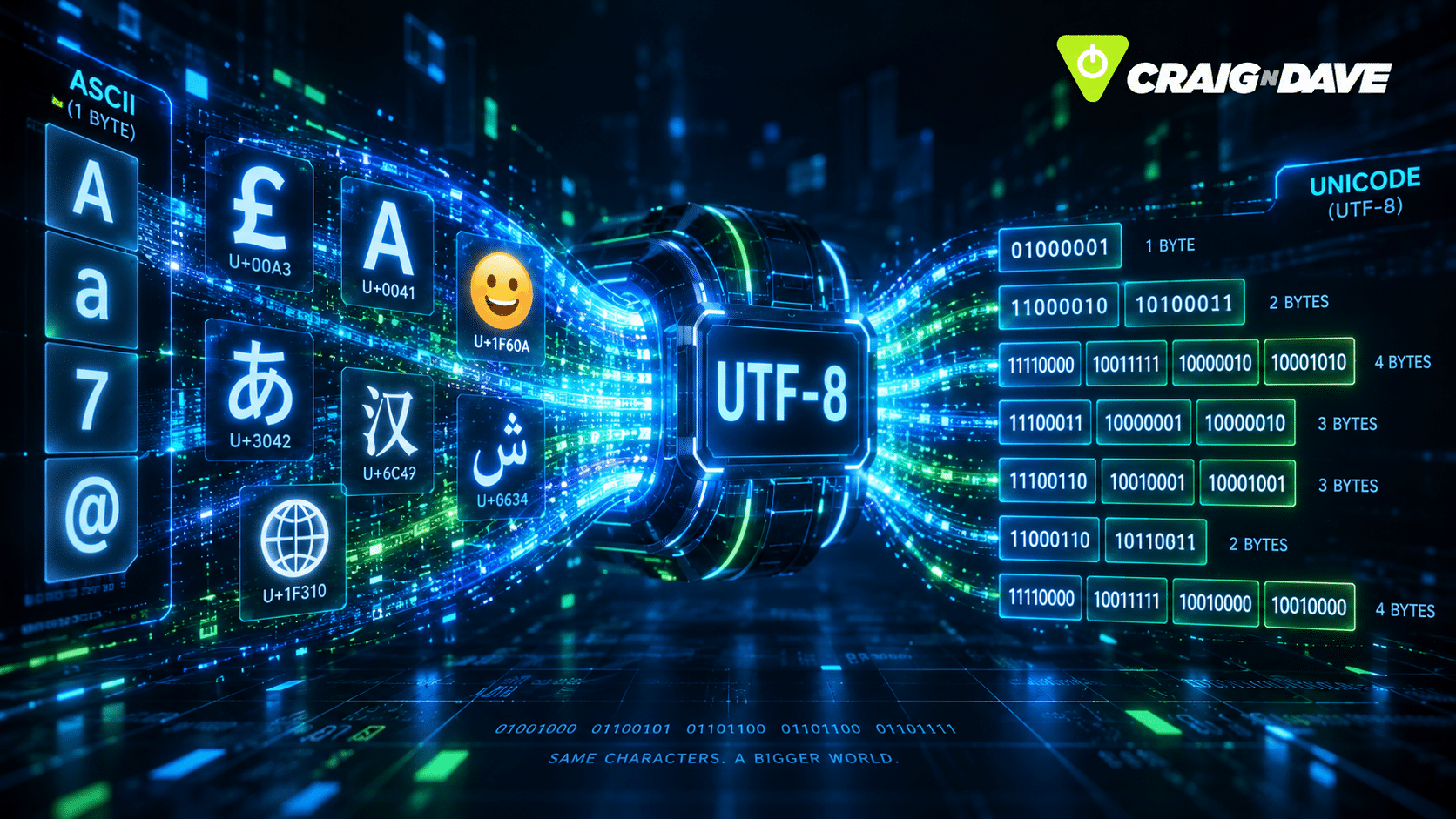
UTF-8 is witchcraft, right?

Ever wondered how your computer can happily store a simple English letter, an emoji, a pound sign and characters from […]

22 September 2026

Why teaching models keep returning

Teaching frameworks can provide valuable guidance, but when they become rigid formulas, they can undermine professional judgement. The goal isn’t identical lessons – it’s consistently effective teaching.

18 September 2026

Do GCSEs doom students to fail?

GCSE results may look stubbornly flat, but the reality behind the numbers tells a very different story. Why has further improvement become so difficult, and are we measuring success in the right way?

11 September 2026

Will Quantum Computers Break Encryption?

Could quantum computers really break encryption and put our data at risk? We explore the reality behind the hype, from qubits and Shor’s Algorithm to the future of post-quantum security.

7 September 2026

Is AI a panacea?

AI is moving from experimentation to expectation in schools. But as adoption grows, the focus must shift from simply using AI to using it well. Discover how schools can balance workload, learning, safety and professional judgement — without losing the human element of great teaching.

4 September 2026