Back

What Is Concurrency in Computing?

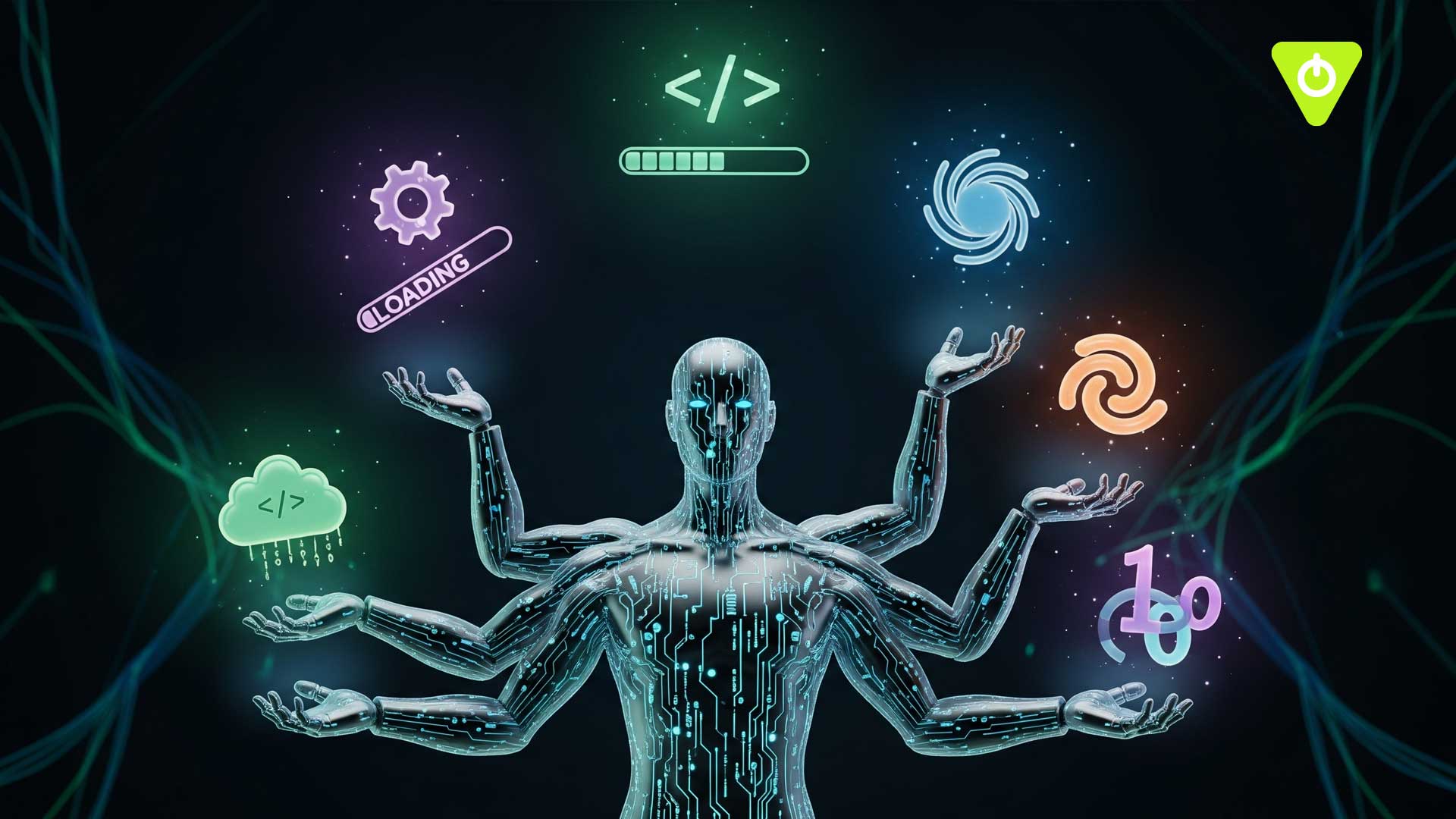
Juggling like a pro

7 August 2026

Understanding the multitasking magic behind your computer’s chaos

Ever wondered how your computer manages to load a website, stream music, and decode a video ad all at once—while you frantically alt-tab between tabs like a caffeinated squirrel? Welcome to the world of concurrency—one of the most powerful and misunderstood concepts in computer science.

So… what is concurrency?

Imagine you’re at a theme park with five mates. There’s one ride, and instead of queuing, everyone runs off to do their own thing—snacks, toilets, merch shopping, maybe even flirting with the wizard mascot. You all keep an eye on your phones and regroup when the ride’s ready. That’s concurrency in a nutshell.
In computing terms, concurrency is when a program tries to do multiple tasks at once. Not actually at the same time (unless you have multiple CPU cores), but switching between jobs so quickly that it feels simultaneous. It’s like a dinner party where everyone’s talking, and yet somehow dessert still turns up.

From websites to deadlocks

Take a typical web page: while it loads, your computer is fetching HTML, downloading fonts, decoding ads, playing your lo-fi playlist, and more—all concurrently. But there’s a catch. Just like your mates at the theme park, if one task forgets to “message the group chat”, the whole thing can stall. This is called a deadlock—when processes are left waiting on each other forever, like four polite Brits at a crossroads.

Why does concurrency matter?

Because it’s what keeps your computer feeling responsive. It lets your machine juggle workloads, share time, and make it look like everything’s happening at once. But just like a flash mob or a synchronised swim, it only works with proper coordination. Without it, things crash, freeze, or slow to a crawl (looking at you, Windows Update).

Want to know more? The Craig’n’Dave Lesson Hacker, explains all.

For more Lesson Hacker videos, check out the Craig’n’Dave YouTube  playlist HERE.
Visit our website to explore more cutting-edge tech news in the computer science world!


Related posts

What is a VPN?

Ever wondered how a VPN really works? Think of it as a clever middleman that keeps your online activity private and your data safe.

12 August 2026

Should parents be sharing your life on social media?

“Sharenting”—where parents share their children’s lives online—might seem harmless, but it comes with risks like identity theft, cyberbullying, and impacts on self-esteem. Learn how families can share responsibly while keeping kids’ privacy safe.

10 August 2026

Why are silicon wafers round when chips are square?

Ever wondered why silicon wafers are round when everything they power is square? It’s all down to the way we grow and slice silicon — a fascinating mix of physics, efficiency, and a touch of irony.

5 August 2026

What Is the Best Material for a Smartphone?

Your smartphone isn’t made from one perfect material — it’s a carefully engineered compromise of plastic, metal, glass, and ceramic. Each choice solves a problem… and creates another.

3 August 2026

AI torrenting may not be so legal after all

AI training is facing a legal reality check as courts draw the line between fair use and copyright infringement. We look at why data provenance and licensing are now critical in modern AI development.

31 July 2026

Why are LEDs so efficient?

Ever wondered why LEDs use so little energy? Discover how semiconductors create light directly, using far less energy and heat than traditional light bulbs.

29 July 2026

Why Pixar still chooses CPUs over GPUs

Pixar still relies on CPUs for their final film renders — not because they’re faster, but because accuracy beats speed when every photon counts. Discover why GPUs, despite their power, aren’t perfect for cinematic-quality frames.

How does AI generate images?

AI image generation turns random noise into detailed visuals using powerful maths, diffusion models, and learned patterns from millions of images.
What looks like creativity is actually a step-by-step process of refining chaos into coherent, realistic (or surreal) artwork guided by your prompt.

28 July 2026

Can AI remember?

Why does AI feel like it forgets everything mid-conversation? Discover how new breakthroughs in long-term memory could transform AI from goldfish to genius.

27 July 2026