31 August 2026
Digital ID cards might sound like something straight out of 1984, but they’re very much part of the UK’s current political conversation. In this blog, we unpack the big debate featured in our latest Craig ’n’ Dave video — from the promise of smarter identity checks to the fear of slipping into a surveillance society.
What are digital ID cards?
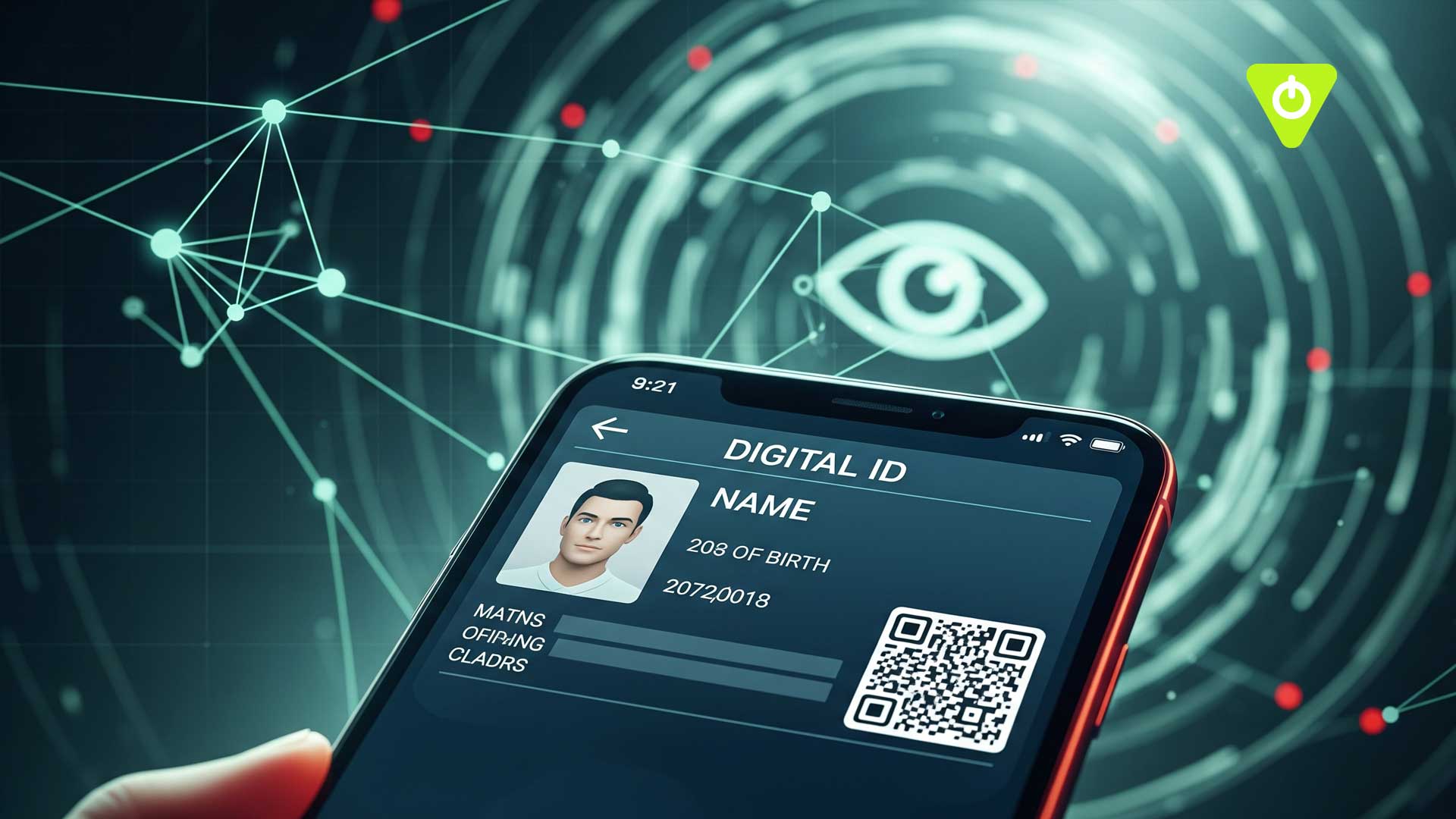
Prime Minister Keir Starmer had proposed introducing digital ID cards across the UK. Instead of a physical card, your identity would live in a gov.uk Wallet app on your smartphone — proving who you are and your right to work or access services.
The idea stems from concerns about illegal working and the UK’s fragmented systems. Supporters claim it’s a modern solution to outdated processes. Critics say it’s political theatre.
Think of it as a “VIP badge”, but instead of wearing it on your shirt, it’s tucked inside your phone. Sleek in concept — but potentially powerful in ways that have raised eyebrows.
The benefits: efficiency, integration, and ease of use
On paper, digital IDs look like a tech upgrade we never asked for but could definitely use. They promise:
- Faster access to services
- Less paperwork
- One digital place for everything — tax returns, healthcare, age checks, passport verification
For anyone who’s battled the NHS login system or spent weeks proving their identity (guilty), this sounds like a dream. No more scavenger hunts for forgotten documents. No more overstuffed wallets. Just a smartphone and a secure login.
The big concerns: privacy, surveillance & cyber threats
Here’s where the plot thickens.
A key criticism is the fear of creating a “checkpoint society”, where identity checks become the norm everywhere you go. Nobody wants to ping facial recognition just to buy a train ticket or open a bank account.
Then there’s cybersecurity. Recent high-profile hacks at major UK companies like M&S and Jaguar Land Rover remind us that no system is untouchable. If huge corporations can fall victim to digital breaches, how safe will a centralised identity system really be?
And with government contracts often awarded to the lowest bidder, can we genuinely trust that the system will be as secure as it needs to be?
How does this link to the Online Safety Act?
The Online Safety Act aims to make digital spaces safer — and a national digital ID system could help combat fraud, bots, and anonymous abuse.
But there’s a fine line between protection and restriction. Some worry this combination could lead to tighter control, restricted freedoms, or a feeling of digital censorship — the ice-cream-brain-freeze version of tech regulation.
Public pushback and political turbulence
Over 760,000 people have signed a petition opposing the plans. Critics argue it’s a quick fix for deeper issues, comparing it to “tidying your room by shoving everything under the bed”.
The idea sounds simple. The execution? Potentially as complicated as building HS2… digitally.
So, is this the future or a digital disaster?
Digital ID cards sit at the crossroads of innovation and intrusion. They could revolutionise how we prove our identity — or open the door to bigger problems around privacy and surveillance.
The key question now is whether the UK can strike a balance between security, efficiency, and civil liberties. Only time (and probably several government pilots) will tell.
Want to know more? Watch the full Lesson Hacker video on our YouTube channel.

For more tech tips, computer science insights, and classroom-friendly explanations, visit our Craig’n’Dave website and explore our resources.