Back

Festival Of Computing OCR Fringe Event 2026

A sneak peek at the afternoon line-up

24 March 2026

The Festival of Computing 2026, co-founded and hosted by Bromsgrove School with AQA as headline sponsor, is the UK’s ultimate secondary computing education event. 

Happening on Wednesday 1 July 2026, at Bromsgrove School the festival is packed with hands-on CPD sessions, inspiring keynotes, networking opportunities, and a vibrant marketplace — everything you need to sharpen your computer science teaching skills and stay ahead in computing education.

Tickets are now available! 

OCR Fringe Event

The Fringe Event will take place in the marquee at 15:45, the perfect way to round off a day of inspiration. Tea, coffee, and biscuits will be available as you enjoy a packed line-up of short, inspiring talks from some of the brightest minds in computing education. This year, the Fringe Event section of the Festival of Computing is sponsored by Cambridge OCR.

Fringe Speakers

  • 15:50 – Becci Peters (CAS/BCS) – Free AI CPD
  • 15:56 – Matthias De Witte & Peter Dawyndt (Dodona Learning Technologies) – Dodona: your online co-teacher for programming classes
  • 16:02 – Paul McKnight (VEX Robotics) – Competitive Robotics – Bringing Sport to STEM
  • 16:08 – Pete Dring (Fulford School) – SEND in Computing: Quick wins for lessons, clubs & competitions
  • 16:14 – Harry Wake & Anna Wake (Mission Encodeable) – Free Python coding tutorials to help students become confident, engaged, and exam-ready
  • 16:20 – Kat Morgan (Mindjoy) – Talking to your AI changes the Learning Paradigm
  • 16:26 – Becky Patel (Tech She Can) – Inspiring the next generation into technology careers
  • 16:32 – Alan Harrison (Harrison Proserv Ltd.) – One problem, six solutions – stretch the more able programmers with SIX HACK!
  • 16:38 – Gary McNab (The CODE Show) – Celebrating how 1980’s Britain entered the computing age

Don’t miss this fast-paced, insightful afternoon packed with tips, inspiration, and practical takeaways to enhance your teaching and spark your students’ creativity.

We can’t wait to see you there.
Related posts

The school initiatives worth keeping and the ones worth leaving behind

Are school policies and classroom initiatives genuinely improving learning, or are they creating unnecessary work for teachers? We explore why purpose, consistency and common sense matter more than simply ticking boxes.

6 November 2026

How do recommendation algorithms decide what you see?

Ever wondered how TikTok, YouTube, and Instagram seem to know exactly what you’ll watch next? Recommendation algorithms use your behaviour – not your opinions – to predict what you’ll engage with in real time.

4 November 2026

Why can’t Python count properly?

Ever typed 0.1 + 0.2 in Python and got 0.30000000000000004 instead of 0.3? It’s not a bug – it’s a fascinating quirk of how computers store numbers in binary.

28 October 2026

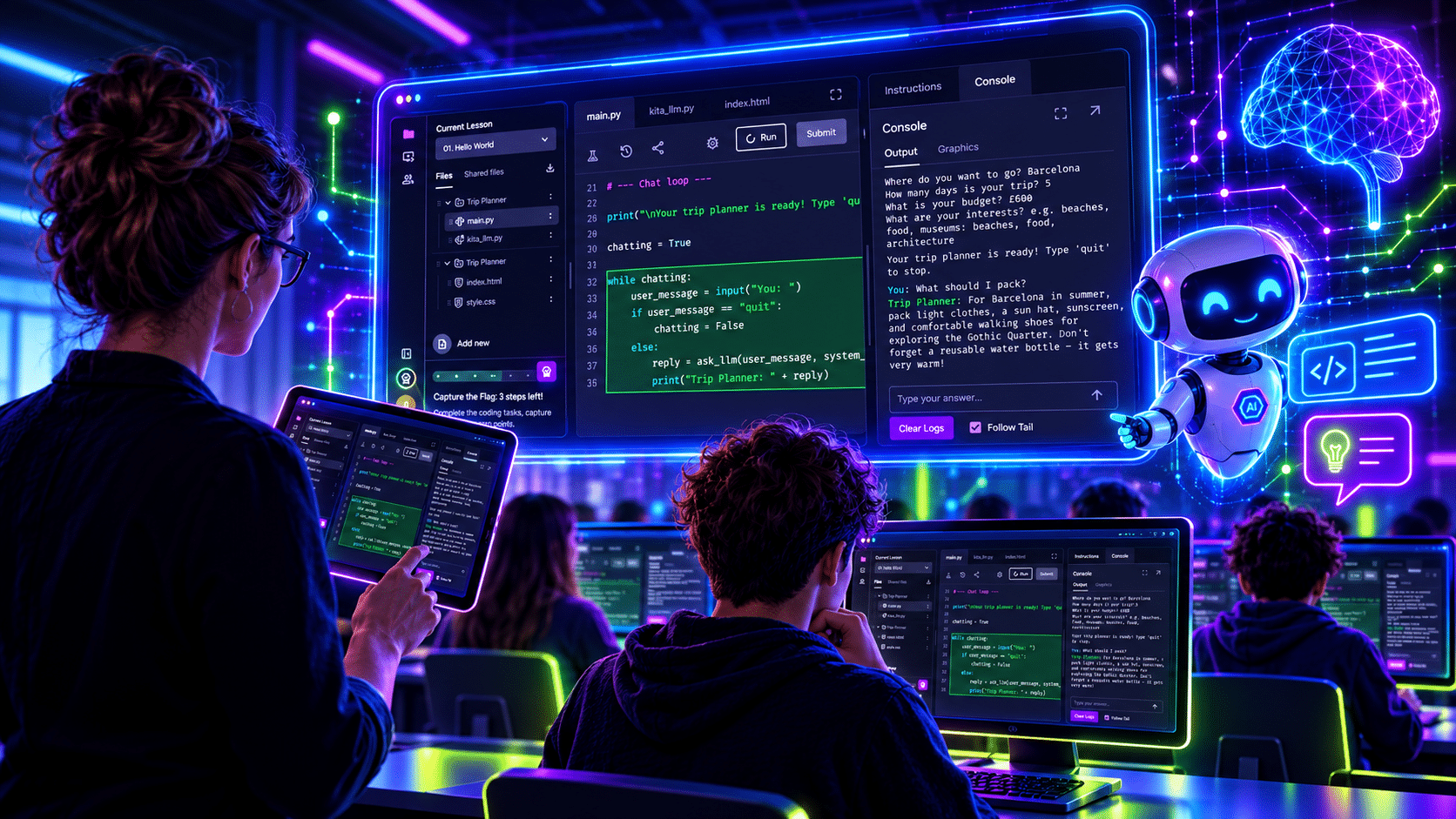
Beyond the IDE: programming lessons in the age of AI

One of the most persistent challenges in a programming classroom is knowing what every student is doing at any given […]

23 October 2026

If a NOT gate turns zero into one, where does that one come from?

How does a NOT gate turn a 0 into a 1 without creating something from nothing? Discover how voltage, transistors and digital logic work together to power the technology inside every modern computer.

15 October 2026

Ofsted after the Big Listen: have the rules changed, or just the packaging?

Ofsted has changed its inspection framework, but many school leaders question whether it has changed the culture surrounding inspection. We explore whether report cards can rebuild trust, reduce pressure and create an accountability system that genuinely helps schools improve.

9 October 2026

Should I make my own resources?

Should teachers really be making all their own resources? We explore the balance between creating, buying and adapting resources — and why thoughtful planning matters more than who made them.

5 October 2026

How does age verification technology work?

Can technology really tell how old you are? Explore the computer science behind age verification and the privacy and accuracy questions it raises.

28 September 2026

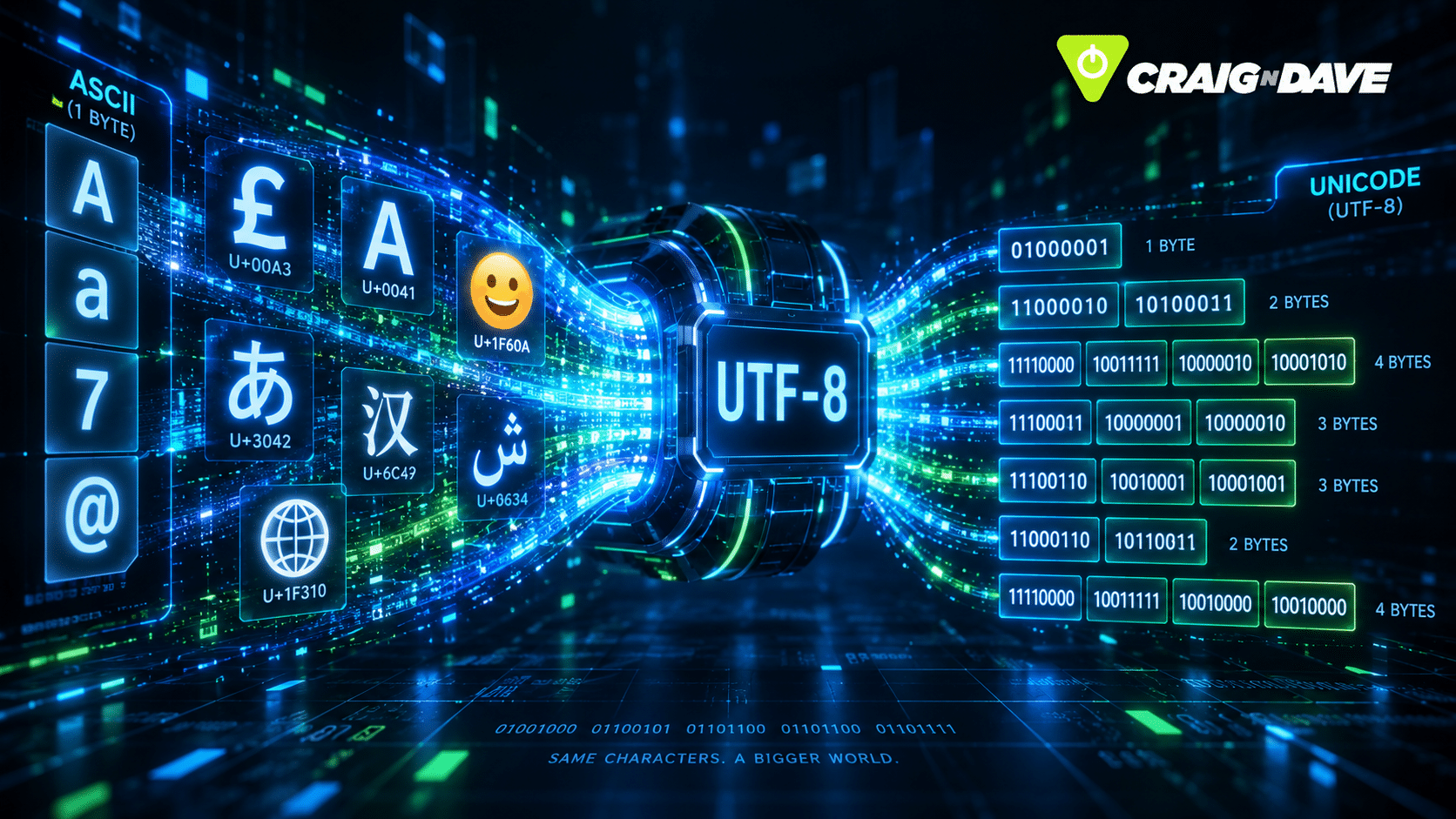
UTF-8 is witchcraft, right?

Ever wondered how your computer can happily store a simple English letter, an emoji, a pound sign and characters from […]

22 September 2026