7 January 2026
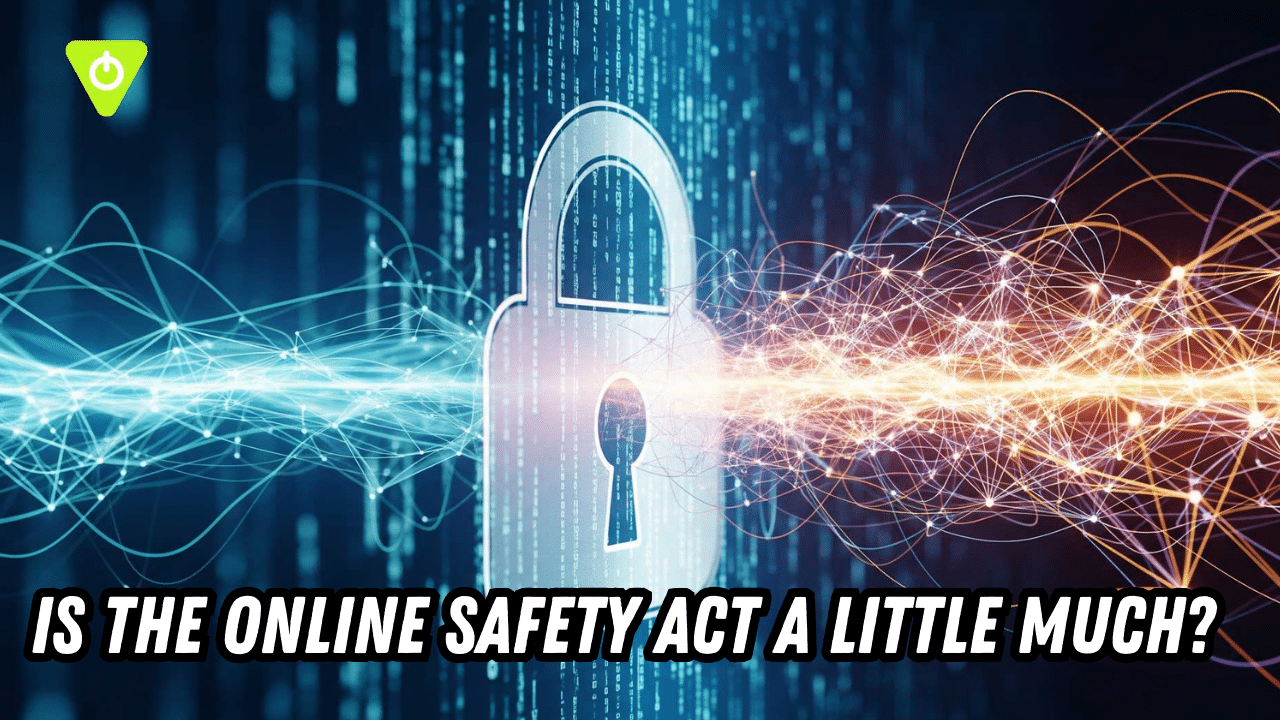
The UK’s Online Safety Act has landed, and while its intentions might seem noble, the execution has raised eyebrows across classrooms, workplaces, and dinner tables alike. Designed to protect young people from harmful online content, it’s already being labelled by some as overkill — a digital bazooka to squash a fly.
So, what’s really going on? Let’s break it down.
Age checks, fines, and blocked sites
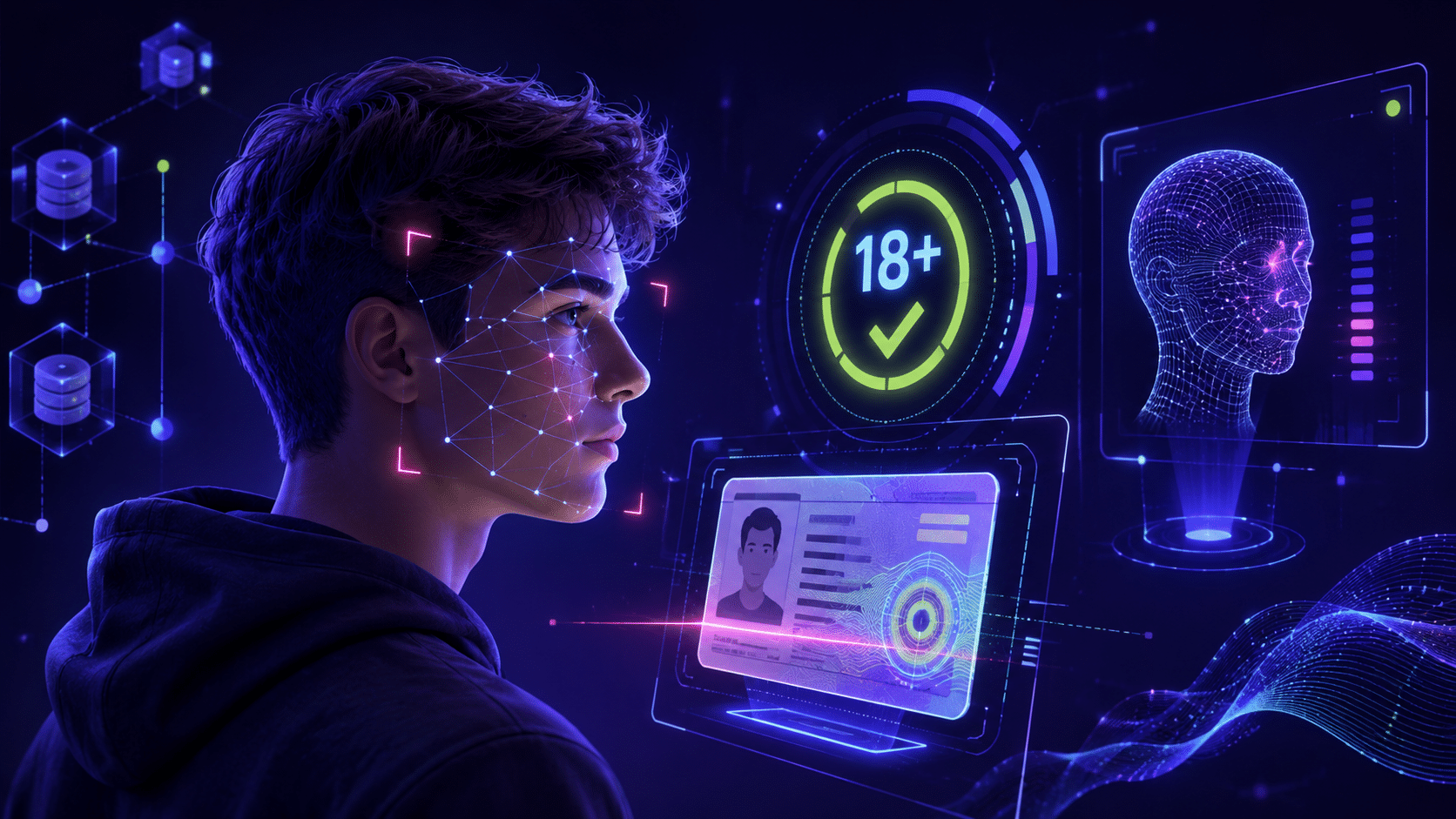
At its core, the Act requires platforms to implement strict age verification systems. Think ID scans, facial recognition, or even using your webcam to prove you’re old enough to view certain content. Non-compliant sites risk heavy fines or outright bans in the UK.
But here’s the catch: this doesn’t just affect teenagers. Adults are finding themselves locked out of music, films, and even news unless they hand over personal data to third-party verifiers. Imagine being asked to show ID just to stream a song on Spotify — it’s happening.
The VPN boom
Unsurprisingly, VPN downloads have surged. Acting like an invisibility cloak for the internet, VPNs let users bypass age restrictions and region locks. Ironically, even some MPs — the very people behind the law — have been expensing VPN subscriptions instead of submitting to verification checks.
Yet this workaround isn’t risk-free. Free VPNs, in particular, often come with hidden dangers, from data harvesting to malware. In trying to dodge surveillance, users may be stepping into something worse.
When protection becomes restriction
The ripple effects go beyond entertainment. News about conflicts in Gaza or Ukraine, LGBTQ+ support resources, and other legitimate educational content have been blocked under sweeping rules. The Act’s “better safe than sorry” approach has meant that entire conversations and communities are stifled.
It’s a balancing act: yes, protecting young people is vital, but when important voices and discussions are muted, digital freedom takes a serious hit.
Finding the balance
So, is the Online Safety Act safeguarding the vulnerable or silencing too much?
Its double-edged nature shows us that regulation without nuance can lead to privacy risks, restricted freedoms, and frustrated users.
For teachers, students, and parents navigating these changes, the key is to stay informed and ask the hard questions: how do we balance safety and freedom online?
Watch the full Lesson Hacker video to dive deeper into the world of The Online Safety Act.
For more Lesson Hacker videos, check out the Craig’n’Dave YouTube playlist HERE.
Be sure to visit our website for more insights into the world of technology and the best teaching resources for computer science and business studies.
Stay informed, stay curious!