Back

What is refactoring?

And why every programmer secretly loves it

19 August 2026

Refactoring: spring cleaning for your code

Refactoring is the art of improving your code without changing what it actually does. Think of it as tidying up your room – you’re not buying new furniture, just rearranging things so you can move around without tripping over yesterday’s “temporary” fixes. The end result? Cleaner, easier-to-read code that’s simpler to maintain and far less likely to give future you a headache.

Here’s the funny thing: you won’t find “refactor your code” written into your GCSE or A level computer science syllabus. Your assignments usually stop at “make it work and submit it before midnight.” But in the real world? Refactoring is a developer’s dream. It’s their version of a spa day. Many professional programmers love taking messy, old code and transforming it into something elegant – even if they pretend it’s all about “optimising architecture.”

Why refactoring matters

Over time, all code starts to decay. Those little shortcuts, quick fixes, and “I’ll sort it later” moments build up into what’s known as technical debt. The bigger your project gets, the more this debt grows – until it starts slowing everything down or breaking things entirely.
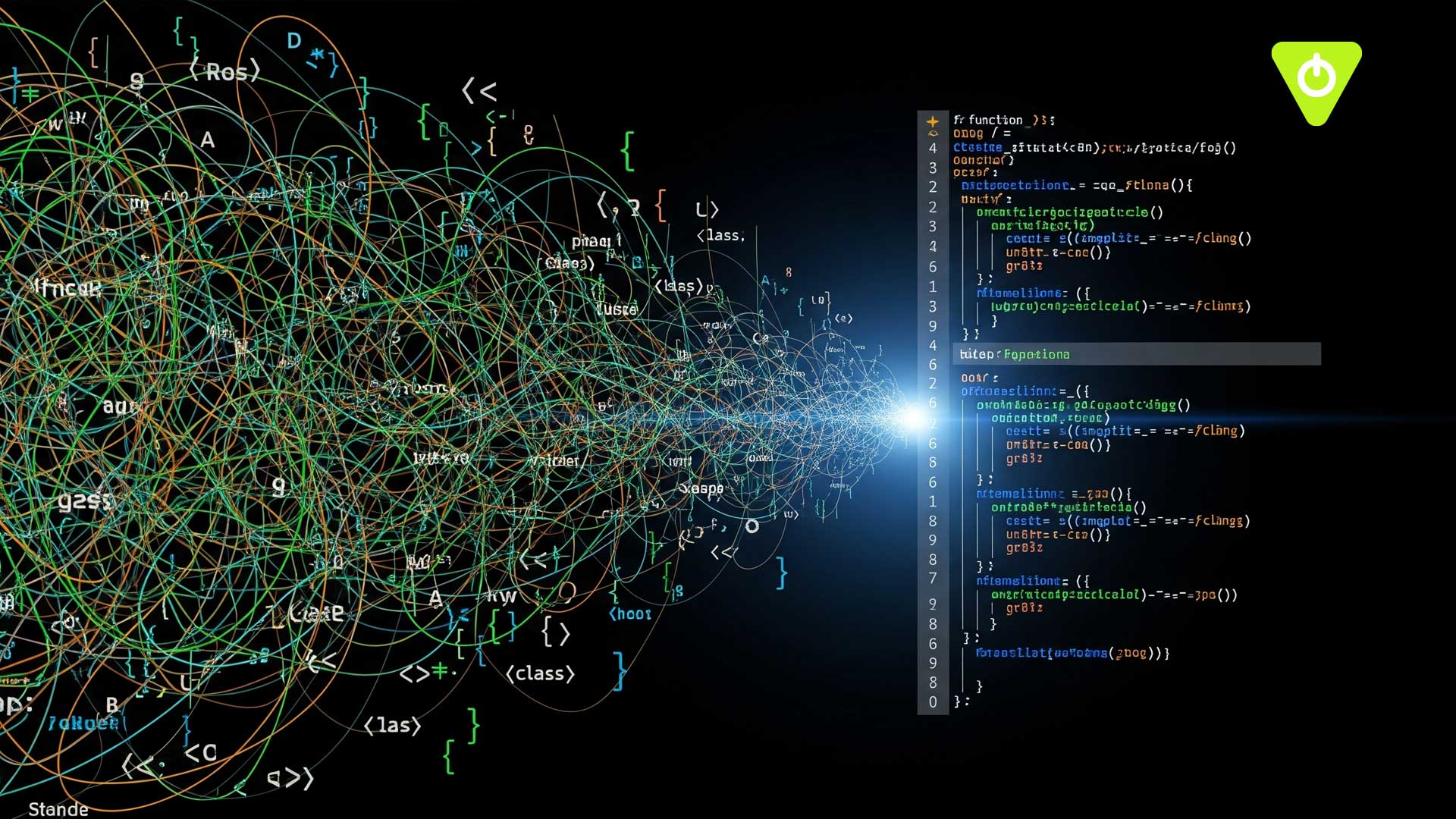
Refactoring tackles that build-up. It turns your tangled ball of code spaghetti back into neat, structured linguine – still the same code, just beautifully organised.

More than pressing a button

Sure, your IDE might have a handy “Refactor” button, but real refactoring goes far beyond renaming variables. It’s about rethinking the structure of your program: breaking down giant functions, reorganising classes, and deleting ancient comments that should’ve been gone years ago.
AI tools can even help with refactoring nowadays, but here’s the catch – you still need the programming knowledge to spot when the AI’s “fix” is actually nonsense.

The bottom line

Refactoring is about making internal improvements to your code – cleaner, more efficient, and more aligned with its purpose. It’s the quiet, behind-the-scenes work that makes great programmers stand out.

Want to dive deeper into how to improve your coding skills?

Watch the full Lesson Hacker video on our YouTube channel to see refactoring in action.

And for more resources, lessons, and insights for computer science teachers and students, visit craigndave.org.

 

Related posts

Why does a weak signal drain your phone battery so fast?

Ever wondered why your phone battery drains so fast when the signal’s weak? It’s not the battery’s fault—your handset is panicking, shouting at towers, and retransmitting data nonstop.

21 August 2026

Why September nerves can be a good thing.

For many teachers, the final week of the summer holiday brings a strange mix of excitement and nerves. But with the right preparation, organisation and routines, those September jitters can become a positive force. Find out how to start the new academic year feeling more confident, organised and in control.

Every teacher has a superpower, but do you know yours?

Every teacher has a superpower – but what is yours? We explore the qualities, skills and passion that make great teachers, and why recognising your own strengths can make all the difference in the classroom.

17 August 2026

A new direction for Key Stage 3 Computing

Craig’n’Dave’s new Key Stage 3 curriculum is more than a collection of lessons – it’s a carefully designed approach to preparing students for the future. Discover how careers, curiosity, resilience and reduced workload shape the new KS3 Resource Centre.

Why your bluetooth audio always seems a little delayed?

Ever wondered why your Bluetooth headphones lag behind the action on screen? It’s not the signal — it’s all the behind-the-scenes “paperwork” your audio has to go through before it reaches your ears.

How does optical disc burning work?

Discover what really happens when you “burn” a CD or DVD—it’s not fire, it’s a laser precisely encoding your data onto the disc. From pits and lands to rewritable mood-ring discs, here’s how your files get stored.

14 August 2026

What is a VPN?

Ever wondered how a VPN really works? Think of it as a clever middleman that keeps your online activity private and your data safe.

12 August 2026

Should parents be sharing your life on social media?

“Sharenting”—where parents share their children’s lives online—might seem harmless, but it comes with risks like identity theft, cyberbullying, and impacts on self-esteem. Learn how families can share responsibly while keeping kids’ privacy safe.

10 August 2026

What Is Concurrency in Computing?

Concurrency is the clever trick your computer uses to juggle multiple tasks at once—without actually doing them simultaneously.
From web pages to deadlocks, discover how this behind-the-scenes magic keeps your digital world running (mostly) smoothly.

7 August 2026