17 June 2026
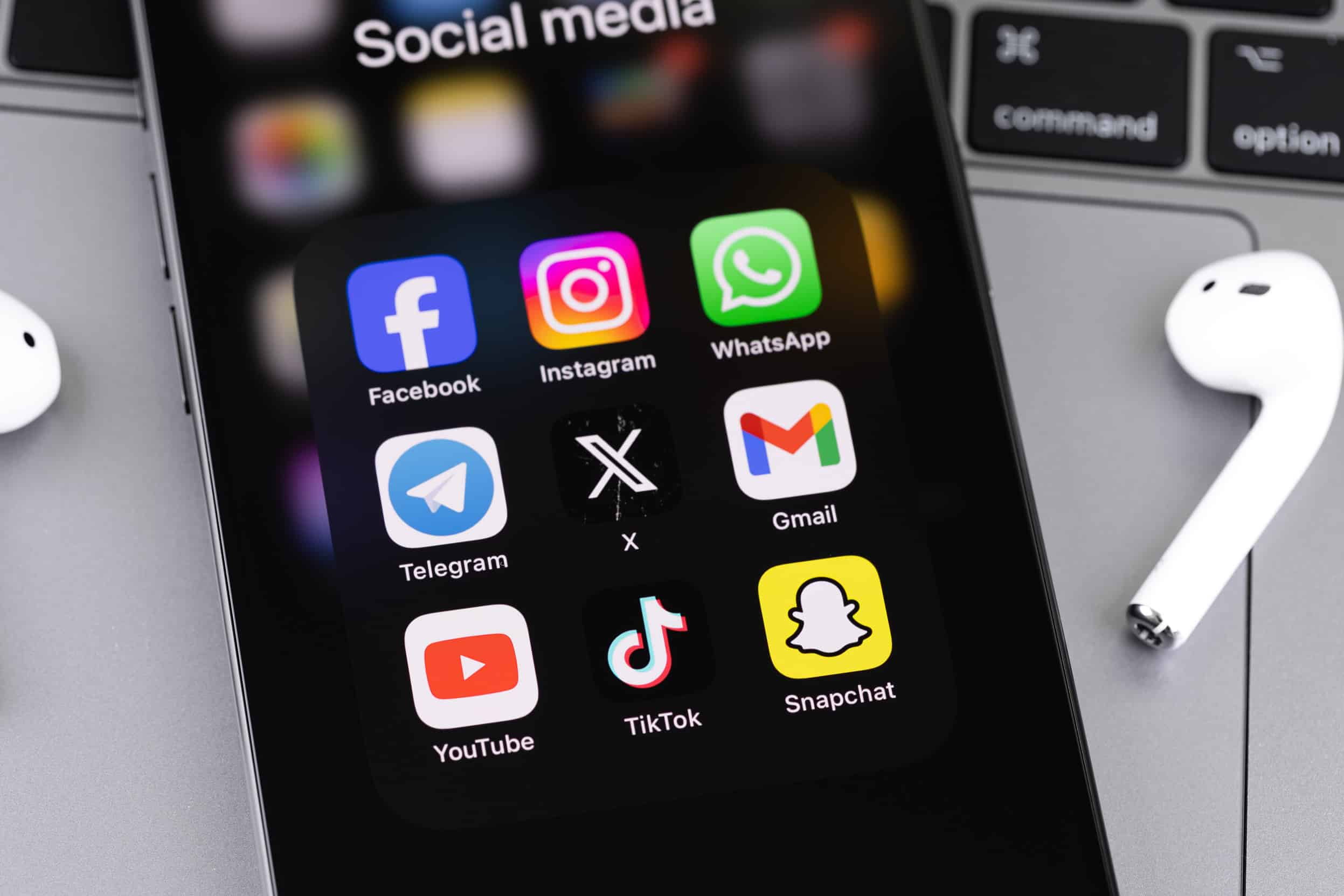
You may have seen recent news coverage about the UK Government’s plans to introduce a ban on social media use for under‑16s, expected to come into force from Spring 2027. This has understandably prompted questions from teachers, particularly those using YouTube‑based flipped classroom resources.
What has the Government actually announced?
The Department for Science, Innovation & Technology has confirmed that:
- The Government intends to restrict access to platforms such as YouTube, TikTok, Instagram and Facebook for under‑16s.
- The aim is to reduce harm and improve children’s wellbeing online, following a large national consultation.
- The planned timeline is for regulations to be introduced in 2026, with implementation expected in Spring 2027.
- Importantly, the Government has also stated that children will still be able to access the internet for learning and educational purposes.
- There are expected to be “narrowly defined” exemptions for educational platforms and services, although full details are still being developed.
At this stage, many aspects of how the policy will work in practice — including how educational content will be treated — remain under consultation and subject to further clarification.
What does this mean for flipped classroom teaching?
At Craig’n’Dave, we want to reassure you:
👉 There is no need to take any action.
👉 Craig’n’Dave will continue to offer a viable option for flipped classroom teaching.
The flipped classroom model remains a powerful and effective pedagogy, and nothing in the current proposals changes that.
While YouTube is currently one of the platforms affected by the proposed ban, the Government has clearly indicated that access to learning and educational content will continue to be supported in some form.
How Craig’n’Dave are already prepared
We have been planning for platform flexibility for some time.
- Our Time2Code programming videos are already hosted on an alternative platform, independent of YouTube.
- This means we are well placed to transition Craig’n’Dave classroom videos to a different hosting solution if required.
- If changes are needed, we will ensure that:
- Access for students remains straightforward.
- Links and resources are updated seamlessly.
- The classroom experience is maintained.
In short, the streaming method may evolve — but the teaching approach will not.
Our commitment to teachers
We understand how important consistency and reliability are for your teaching.
That’s why we are committed to:
- Keeping you informed as Government guidance develops.
- Updating resources well in advance of any changes.
- Ensuring continued support for flipped learning in GCSE Computer Science.
Summary
- The proposed under‑16 social media ban is planned for Spring 2027, but details are still being finalised.
- Educational access is expected to remain available, though the mechanism is not yet confirmed.
- Craig’n’Dave are already prepared with alternative hosting options.
- Teachers do not need to change anything or take action now.
- The flipped classroom pedagogy will continue to be fully supported.
We will continue to monitor developments closely and share updates as soon as there is greater clarity. If you have any questions, please do get in touch — we’re here to help.