6 July 2026
The Truth Behind the Hype
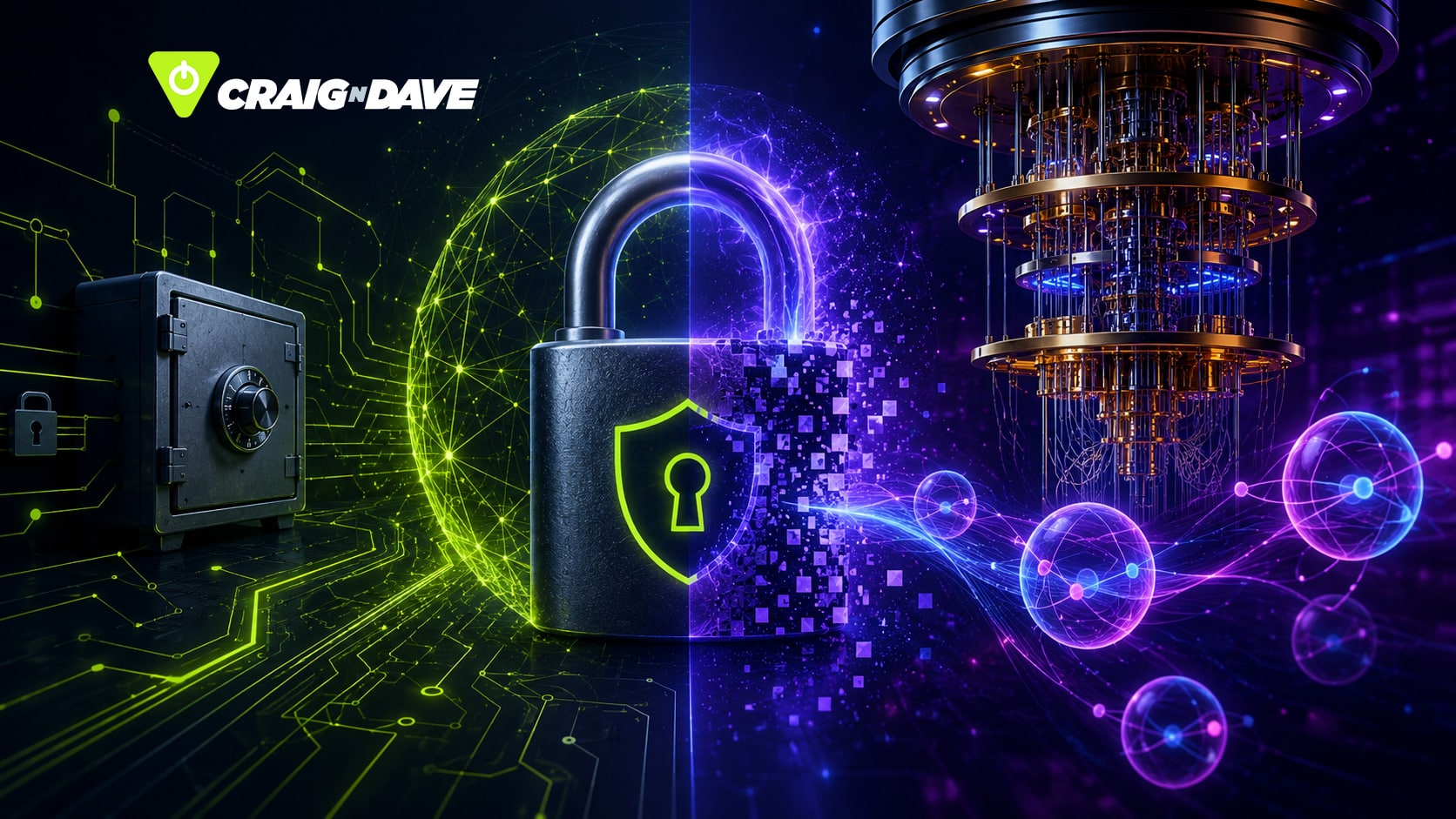
Quantum computers are all over the headlines, and one question keeps cyber-security experts — and curious Reddit users — awake at night: will they break encryption? Let’s unpack this complex topic in a way that’s informative, a little fun, and very relevant for computer science enthusiasts.
What makes quantum computers different?
A standard computer thinks in bits — ones and zeroes, on or off. Quantum computers, however, use qubits, which can exist as one, zero, and everything in between simultaneously. This phenomenon, called superposition, allows quantum computers to explore multiple possibilities at once. Imagine trying every combination of a password simultaneously — it’s like a student’s excuse for not doing homework, but way more powerful.
Shor’s Algorithm: Why experts worry
The panic around quantum computing often centres on Shor’s Algorithm. This quantum method can factor extremely large numbers at lightning speed. Most modern encryption, such as RSA, relies on the difficulty of breaking these numbers into prime factors — essentially trying to un-mix a smoothie. With Shor’s Algorithm, those numbers could be split back into their ingredients in seconds. If a sufficiently powerful quantum computer existed, today’s encryption could be compromised.
The reality check: we’re not there yet
Here’s the reassuring bit: current quantum computers have only a few hundred noisy qubits — prone to mistakes, like a Year 10 coding project. To break modern encryption, we’d need millions of perfectly stable qubits with near-perfect error correction. This is decades away, requires extreme cooling near absolute zero, and a level of engineering that makes the Large Hadron Collider look like a Lego set.
Post-quantum encryption: staying ahead of the curve
By the time quantum computers are powerful enough to threaten encryption, post-quantum encryption will likely be in place. These new cryptographic methods are designed to withstand quantum attacks, keeping your data safe. In short, quantum computing is exciting — but not yet a cyber apocalypse.
Until then, your passwords are safe — unless you’re still using “password123”. In that case, your cat on the keyboard is a bigger threat.
Want to learn more about quantum computing and cyber security? Watch the full explainer video HERE.

Explore more computer science insights, lesson plans, and resources at craigndave.org