Back

Is social media really that bad?

22 October 2024

We’ve all heard the scare stories: spend too much time on TikTok and suddenly you’re destined to fail your GCSEs and live in your mum’s basement forever. But is social media really as dangerous as some headlines make it out to be?

According to a new study by the World Health Organisation (WHO), there’s been a sharp rise in something called “problematic social media use” among teenagers. This doesn’t just mean spending hours on Instagram or YouTube; it’s when social media starts interfering with real life. We’re talking about skipping activities, arguing with parents about screen time, and feeling like you can’t stop even when you know you should.

The study surveyed nearly 280,000 teens across 44 countries and found that in 2022, 11% of them displayed problematic behaviours, up from 7% in 2018. Unsurprisingly, the pandemic played a major role in this spike, with many turning to social media during lockdowns. The situation is particularly notable in the UK, where teenagers are more prone to problematic use, especially among 13-year-old girls.

But before we start deleting our apps, the study also highlights that social media isn’t all bad. 

For most teens, using social media helps them stay connected with friends and feel supported, especially during isolating times like the pandemic. Movements like #BlackLivesMatter and #FridaysForFuture are prime examples of how social media can create positive change on a global scale.

However, for the 11% struggling with problematic use, the situation can be different, with issues like anxiety, depression, and even withdrawal symptoms when they can’t check their phones. Boys, on the other hand, seem to be more prone to problematic gaming, with some spending over four hours a day on games like Fortnite and Minecraft.

So, is social media really that bad? The answer isn’t black and white. For the majority, it’s a useful tool for connection, but like anything, it needs to be used in moderation. The key is balance—managing screen time and not letting it interfere with mental health, studies, or relationships.


To dive deeper into this topic, watch the full video HERE.

Don’t forget to check out our website for more insights on how tech and society are evolving and all the latest Computer Science teaching resources.

Related posts

Beyond the IDE: programming lessons in the age of AI

One of the most persistent challenges in a programming classroom is knowing what every student is doing at any given […]

23 October 2026

If a NOT gate turns zero into one, where does that one come from?

How does a NOT gate turn a 0 into a 1 without creating something from nothing? Discover how voltage, transistors and digital logic work together to power the technology inside every modern computer.

15 October 2026

Ofsted after the Big Listen: have the rules changed, or just the packaging?

Ofsted has changed its inspection framework, but many school leaders question whether it has changed the culture surrounding inspection. We explore whether report cards can rebuild trust, reduce pressure and create an accountability system that genuinely helps schools improve.

9 October 2026

Should I make my own resources?

Should teachers really be making all their own resources? We explore the balance between creating, buying and adapting resources — and why thoughtful planning matters more than who made them.

5 October 2026

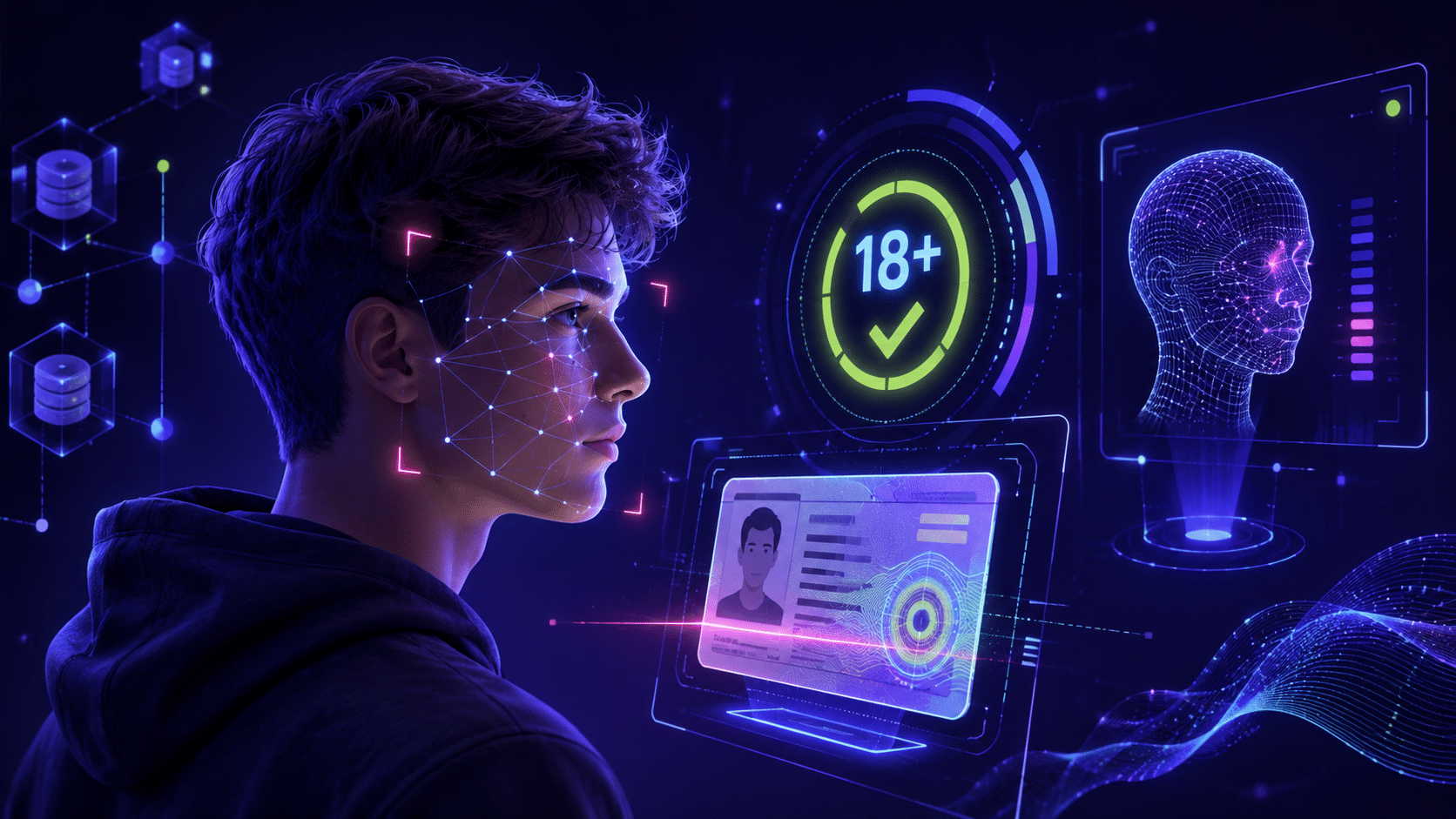
How does age verification technology work?

Can technology really tell how old you are? Explore the computer science behind age verification and the privacy and accuracy questions it raises.

28 September 2026

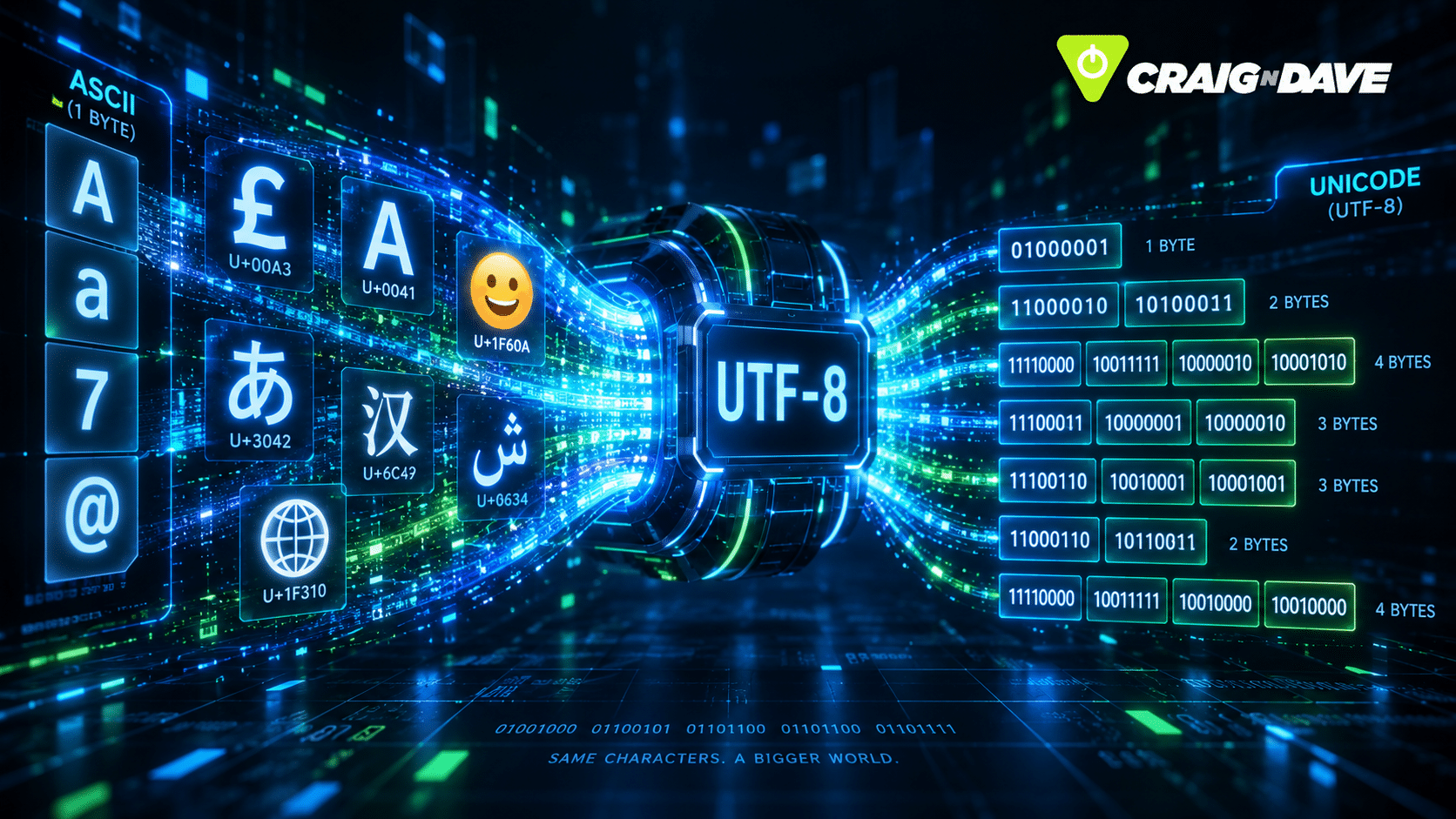
UTF-8 is witchcraft, right?

Ever wondered how your computer can happily store a simple English letter, an emoji, a pound sign and characters from […]

22 September 2026

Why teaching models keep returning

Teaching frameworks can provide valuable guidance, but when they become rigid formulas, they can undermine professional judgement. The goal isn’t identical lessons – it’s consistently effective teaching.

18 September 2026

Do GCSEs doom students to fail?

GCSE results may look stubbornly flat, but the reality behind the numbers tells a very different story. Why has further improvement become so difficult, and are we measuring success in the right way?

11 September 2026

Will Quantum Computers Break Encryption?

Could quantum computers really break encryption and put our data at risk? We explore the reality behind the hype, from qubits and Shor’s Algorithm to the future of post-quantum security.

7 September 2026

Back

Is the games industry in trouble?

8 October 2024

On the surface, the gaming industry appears to be thriving, with record-breaking profits and an ever-expanding player base. In 2023 alone, the industry pulled in a staggering $227 billion, a figure set to rise to $312 billion by 2027. But beneath this shiny exterior, cracks are starting to show. Why, despite these enormous profits, are we seeing widespread layoffs and studio closures, like Microsoft cutting 650 jobs after their $69 billion acquisition of Activision-Blizzard?

The boom-bust cycle of game development

One of the key reasons behind these layoffs lies in the industry’s notorious boom-bust cycle. Gaming companies often hire huge teams to complete major projects, but once the game is launched, developers are shown the door. Take the closures of Arkane Austin and Tango Gameworks—both produced critically acclaimed titles, but once the work was done, so were the jobs.

Corporate consolidation and layoffs

Another issue is the corporate consolidation sweeping the industry. Giants like Microsoft and Sony are snapping up smaller studios, only to announce job cuts shortly after. These layoffs are not random—they’re often a strategic move to impress shareholders, where ‘cutting costs’ is prioritised over the welfare of employees. It’s a trend that disproportionately affects younger and marginalised workers, who are often the first to go.

The rise of unions

However, hope is not lost. Game developers are starting to unionise, aiming to protect workers from these harsh realities. While unions can’t stop layoffs entirely, they can negotiate better severance packages, longer notice periods, and even job-sharing schemes to soften the blow.

An overcrowded job market

To make matters worse, universities are churning out new graduates eager to join the gaming world, but the industry simply doesn’t have enough jobs to go around. This leaves many talented individuals entering a workforce plagued by layoffs and limited opportunities.

What’s next?

So, where do we go from here? There’s growing pressure for gaming companies to create sustainable jobs, not just temporary contracts tied to individual projects. Players can also help by demanding better working conditions for developers. After all, shouldn’t the people behind our favourite games be treated as more than just disposable assets?

Want to dive deeper? Watch the full video below for an in-depth look at the gaming industry’s complex dynamics.

For more Lesson Hacker Videos check out the CraignDave YouTube playlist HERE.

Visit our website to explore more cutting-edge tech-transforming news in the computer science world!

Related posts

Beyond the IDE: programming lessons in the age of AI

One of the most persistent challenges in a programming classroom is knowing what every student is doing at any given […]

23 October 2026

If a NOT gate turns zero into one, where does that one come from?

How does a NOT gate turn a 0 into a 1 without creating something from nothing? Discover how voltage, transistors and digital logic work together to power the technology inside every modern computer.

15 October 2026

Ofsted after the Big Listen: have the rules changed, or just the packaging?

Ofsted has changed its inspection framework, but many school leaders question whether it has changed the culture surrounding inspection. We explore whether report cards can rebuild trust, reduce pressure and create an accountability system that genuinely helps schools improve.

9 October 2026

Should I make my own resources?

Should teachers really be making all their own resources? We explore the balance between creating, buying and adapting resources — and why thoughtful planning matters more than who made them.

5 October 2026

How does age verification technology work?

Can technology really tell how old you are? Explore the computer science behind age verification and the privacy and accuracy questions it raises.

28 September 2026

UTF-8 is witchcraft, right?

Ever wondered how your computer can happily store a simple English letter, an emoji, a pound sign and characters from […]

22 September 2026

Why teaching models keep returning

Teaching frameworks can provide valuable guidance, but when they become rigid formulas, they can undermine professional judgement. The goal isn’t identical lessons – it’s consistently effective teaching.

18 September 2026

Do GCSEs doom students to fail?

GCSE results may look stubbornly flat, but the reality behind the numbers tells a very different story. Why has further improvement become so difficult, and are we measuring success in the right way?

11 September 2026

Will Quantum Computers Break Encryption?

Could quantum computers really break encryption and put our data at risk? We explore the reality behind the hype, from qubits and Shor’s Algorithm to the future of post-quantum security.

7 September 2026

Back

Can AI create recipes? How artificial intelligence is shaping the culinary world

26 September 2024

The rise of AI in the kitchen: Can robots create recipes that taste good?

Have you ever wondered what it would be like if artificial intelligence designed your pizza? From AI-generated recipes in top restaurants to major retailers using AI to predict food trends, technology is changing the culinary world. But the question remains: can AI really cook up something delicious, or is this a recipe for disaster?

The role of AI in culinary innovation

Artificial intelligence, particularly tools like ChatGPT, is making waves in the food industry. Restaurants are now using AI to analyse thousands of recipes and suggest creative flavour combinations that might not occur to human chefs. One standout example is Dodo Pizza in Dubai, where head chef Spartac challenged AI to create a pizza representing Dubai’s cultural diversity. The result? A surprising combination of shawarma chicken, grilled paneer, za’atar, and tahini sauce—an instant hit! This AI-designed pizza is still on the menu today and has become a customer favourite.

AI wins and fails in recipe creation

But AI doesn’t always nail it. While Dodo Pizza found success with their multicultural creation, they also experienced some AI-generated disasters, like a pizza with strawberries and pasta, or even worse, one with blueberries and breakfast cereal. Similarly, in the US, Velvet Taco in Dallas asked AI to help design a taco of the week. Among AI’s quirky suggestions, one recipe—prawn and steak tacos—was a massive success, selling 22,000 in just one week! Venicia Willis, Velvet Taco’s Culinary Director, is clear that while AI can boost creativity in recipe creation, it cannot replace the human element. Food, after all, requires human intuition to ensure ingredients come together harmoniously.

AI’s impact beyond the kitchen: Predicting food trends

AI’s influence goes beyond just recipes. Retailers like Waitrose are using AI to spot rising food trends, such as the recent surge in popularity of Smash Burgers. By analysing social media patterns, Waitrose was able to introduce their own version of the trendy burger, staying ahead of the competition. This demonstrates AI’s ability to not only create but also capitalise on emerging culinary trends.

The human touch is still essential

While artificial intelligence is making a mark on the food industry, it’s clear that AI-generated recipes still need human oversight. Chefs like Julian De Feral, a cocktail creator in London, are sceptical, arguing that AI lacks the common sense and intuition required for culinary creativity. After all, AI simply pulls from data, often relying on existing recipes or food blogs, which raises ethical questions about originality.

In conclusion, AI’s role in the culinary world is evolving, bringing a mix of innovation and bizarre combinations. While AI can inspire fresh ideas, the human touch is still crucial to ensure the final dish is both delicious and marketable.Curious to see AI in action in the kitchen? Watch our Lesson Hacker video HERE.

For more Lesson Hacker Videos check out the CraignDave YouTube playlist HERE.

Visit our website to explore more cutting-edge tech-transforming news in the computer science world!


Source – https://www.bbc.co.uk/news/articles/cl7y71krnjvo

Related posts

Beyond the IDE: programming lessons in the age of AI

One of the most persistent challenges in a programming classroom is knowing what every student is doing at any given […]

23 October 2026

If a NOT gate turns zero into one, where does that one come from?

How does a NOT gate turn a 0 into a 1 without creating something from nothing? Discover how voltage, transistors and digital logic work together to power the technology inside every modern computer.

15 October 2026

Ofsted after the Big Listen: have the rules changed, or just the packaging?

Ofsted has changed its inspection framework, but many school leaders question whether it has changed the culture surrounding inspection. We explore whether report cards can rebuild trust, reduce pressure and create an accountability system that genuinely helps schools improve.

9 October 2026

Should I make my own resources?

Should teachers really be making all their own resources? We explore the balance between creating, buying and adapting resources — and why thoughtful planning matters more than who made them.

5 October 2026

How does age verification technology work?

Can technology really tell how old you are? Explore the computer science behind age verification and the privacy and accuracy questions it raises.

28 September 2026

UTF-8 is witchcraft, right?

Ever wondered how your computer can happily store a simple English letter, an emoji, a pound sign and characters from […]

22 September 2026

Why teaching models keep returning

Teaching frameworks can provide valuable guidance, but when they become rigid formulas, they can undermine professional judgement. The goal isn’t identical lessons – it’s consistently effective teaching.

18 September 2026

Do GCSEs doom students to fail?

GCSE results may look stubbornly flat, but the reality behind the numbers tells a very different story. Why has further improvement become so difficult, and are we measuring success in the right way?

11 September 2026

Will Quantum Computers Break Encryption?

Could quantum computers really break encryption and put our data at risk? We explore the reality behind the hype, from qubits and Shor’s Algorithm to the future of post-quantum security.

7 September 2026