20 June 2026
There is a growing sense that something significant is about to change in how young people access the online world. Political rhetoric has intensified, pressure from parents has mounted, and governments—both in the UK and abroad—are increasingly signalling that intervention is inevitable. For secondary school teachers, this raises an important question: what will all of this actually mean in the classroom?
At first glance, the issue appears straightforward. Social media is linked to harm; therefore, restrict access. But as with so many aspects of education and technology, the reality is far more complex.
Good intentions, complicated realities
It is difficult to argue with the motivations behind potential reforms. Concerns around online challenges, grooming, abuse, and the wider impact on young people’s mental health are real and well documented. Some medical bodies have even drawn comparisons between social media and smoking, citing links to sleep deprivation, anxiety, and increased exposure to harmful content.
Politically, the tone is clear. There is a sense that action is no longer optional. The idea of a “game changer” has been publicly floated, suggesting that incremental change may no longer satisfy public demand for stronger safeguards.
However, international examples show how difficult implementation can be. In Australia, where restrictions have already been attempted, young people have continued to access social media through workarounds. Criticism has also emerged over which platforms were included or excluded from bans, highlighting a deeper issue: regulation is only as strong as its definitions—and those definitions are increasingly unstable.
The definition problem
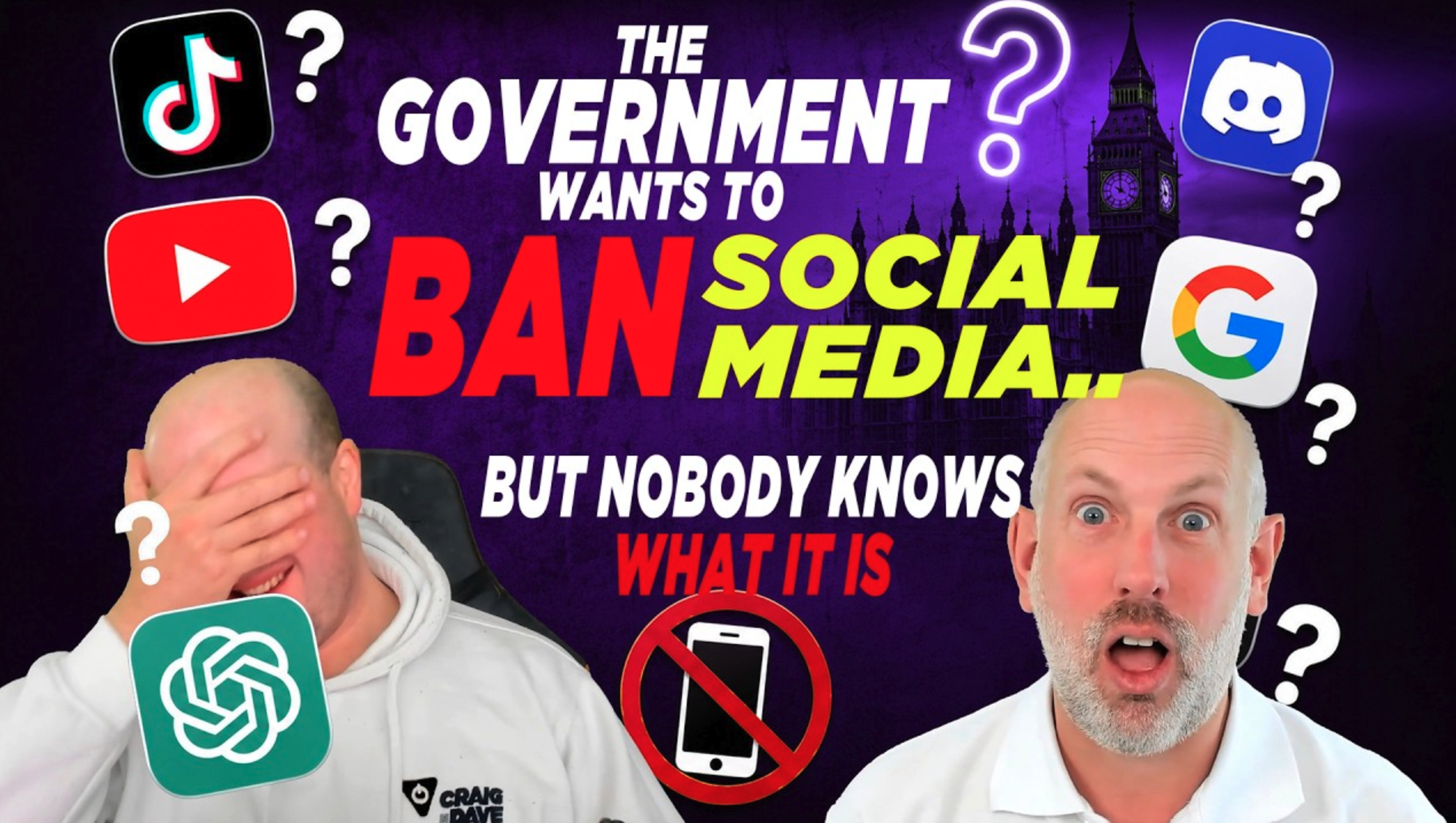
At the heart of the debate lies a deceptively simple question: what is social media?
A decade ago, the answer might have seemed obvious. Platforms like Facebook, Instagram, or Snapchat. Today, that clarity has disappeared. The boundaries between “social” and “educational” technology are blurring at speed.
Consider the following:
- A large language model providing conversational feedback to a student.
- An AI tutoring platform offering personalised guidance.
- A shared Word or Google document used collaboratively.
- An educational YouTube video with comments enabled.
- A revision platform encouraging regular engagement.
All of these involve interaction. All enable communication, either with other users or with AI systems that simulate human response. At what point does that interaction become “social”?
This is not simply a philosophical question; it has practical consequences. If legislation attempts to restrict “social media”, it risks sweeping up tools that are now integral to teaching and learning. Increasingly, the same features that make platforms engaging—interactivity, collaboration, responsiveness—are precisely the features that make them pedagogically valuable.
The uncomfortable truth is that there is no clear line anymore. The category of “social media” has expanded to the point where it overlaps with almost all digital tools students use.
The teacher reality
For teachers, the debate is not really about banning phones. Schools have already grappled with that issue in various forms. The emerging conversation is about banning or restricting software—and that presents a very different set of challenges.
In practice, stricter controls could bring a range of unintended consequences:
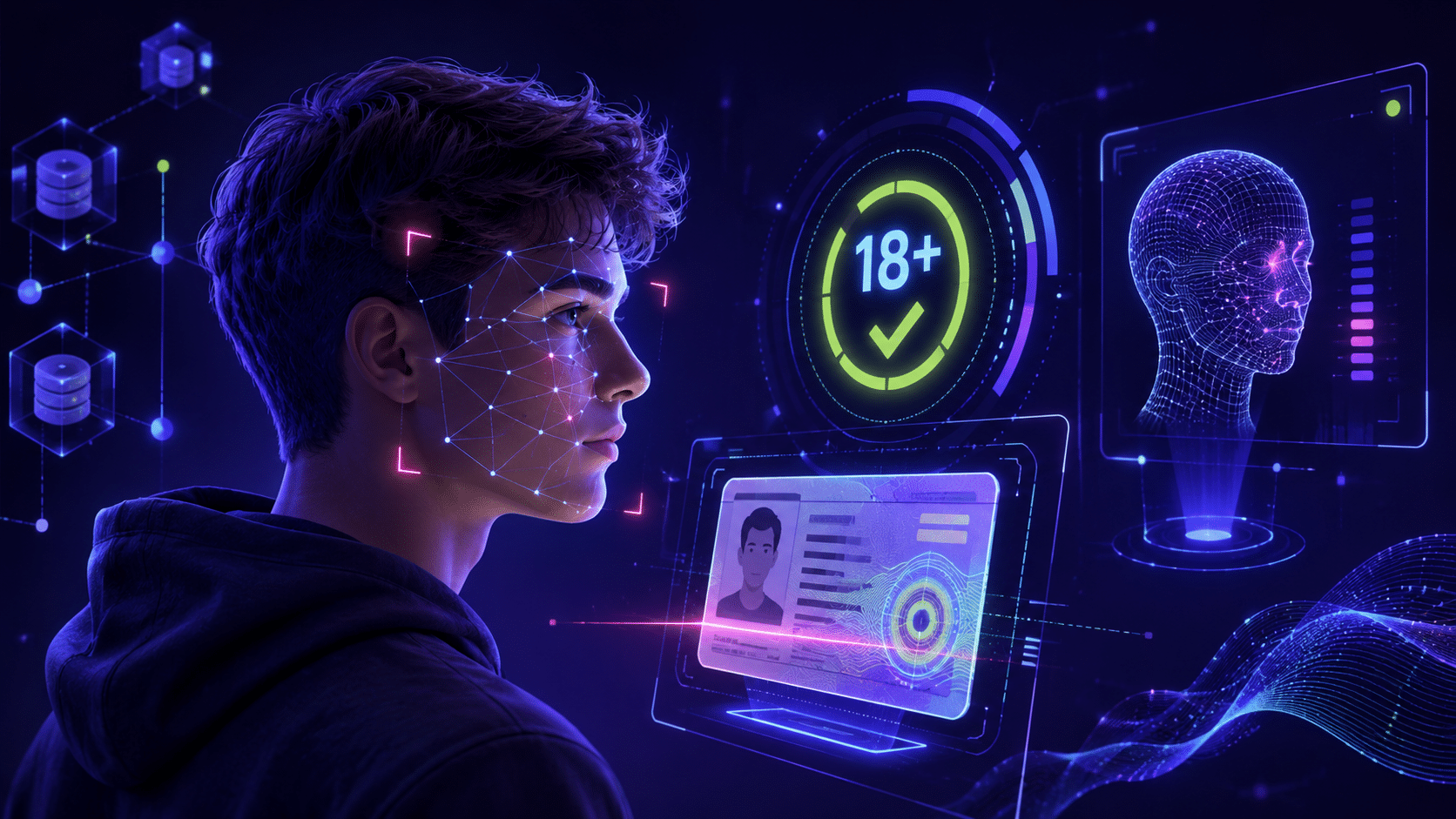
- Safeguarding complexities: Age verification systems may be introduced, potentially requiring students to provide personal data or biometric information.
- Consent fatigue: Schools could face increasing administrative burdens as they manage permissions, accounts, and compliance requirements.
- Onboarding friction: Even simple tasks, like signing up to a revision platform, may become more cumbersome, reducing lesson efficiency.
- Digital overload: Teachers may spend more time troubleshooting access issues than delivering learning.
Anyone who has tried to get a full class logged into an online platform understands how fragile that process can be. Add layers of verification, restrictions, or blocked functionalities, and the risk is clear: many teachers may simply abandon these tools altogether.
This raises a critical question. At what point does protection begin to undermine the very educational experiences it is meant to support?
The risk of unintended consequences
There is also a broader concern that outright bans could push behaviour underground rather than eliminate it. If students are determined to access social platforms—as evidence suggests they are—they will find alternative routes.
These may be less visible, less regulated, and ultimately more dangerous.
For example, a shared document or file link can quickly become a hidden communication space. Without oversight, such environments could replicate the very risks that legislation is trying to address, but without the safeguards that established platforms at least attempt to provide.
This is the paradox at the centre of the debate: restricting access may reduce exposure in theory, but in practice it may simply relocate it to harder-to-monitor spaces.
Possible directions for change
While no single solution has emerged, several approaches are being explored. These range from technological controls to cultural shifts in behaviour.
Some proposals include platform-level changes such as removing auto-play or endless scrolling features, both of which are designed to increase user engagement. Others involve structural interventions, like age verification at the device or app store level, or even curfews that limit overnight usage.
There is also increasing interest in reframing the issue as a public health concern. Encouraging conversations about screen time in medical settings, collecting data for research, and educating families about usage patterns all point towards a more holistic approach.
At the same time, there are calls to place greater responsibility on technology companies themselves—requiring them to design safer systems rather than relying solely on user behaviour or external regulation.
Where does this leave schools?
For now, uncertainty remains. Yet one thing feels certain: the direction of travel is towards increased regulation, not less.
In this context, schools may need to hold onto a few key principles:
- Digital literacy remains essential. Even if access is restricted, understanding online environments will still be crucial for young people.
- Education cannot rely solely on prohibition. Students will encounter these technologies eventually, and they need the skills to navigate them safely.
- Balance will be critical. The challenge is not just to protect students, but to do so in a way that preserves the benefits of digital learning.
Ultimately, the debate is not just about social media, it’s about how we prepare young people to live in a digital world that is constantly evolving.
A conversation worth having
Perhaps the most important takeaway is that there are no easy answers. The question is not whether young people should be protected online, there is universal agreement on that point. The question is how to do so effectively, without creating new problems in the process.
For teachers, this is not an abstract policy discussion. It is a daily reality, lived out in classrooms where technology is both a powerful tool and a potential source of risk.
As the conversation continues, one question remains open, and vital:
Where should we draw the line between learning tools and social platforms?
It is a question that policymakers, educators, parents, and students will need to answer together.
Want to know more? Check out our ‘At the chalk face’ episode on YouTube.