Back

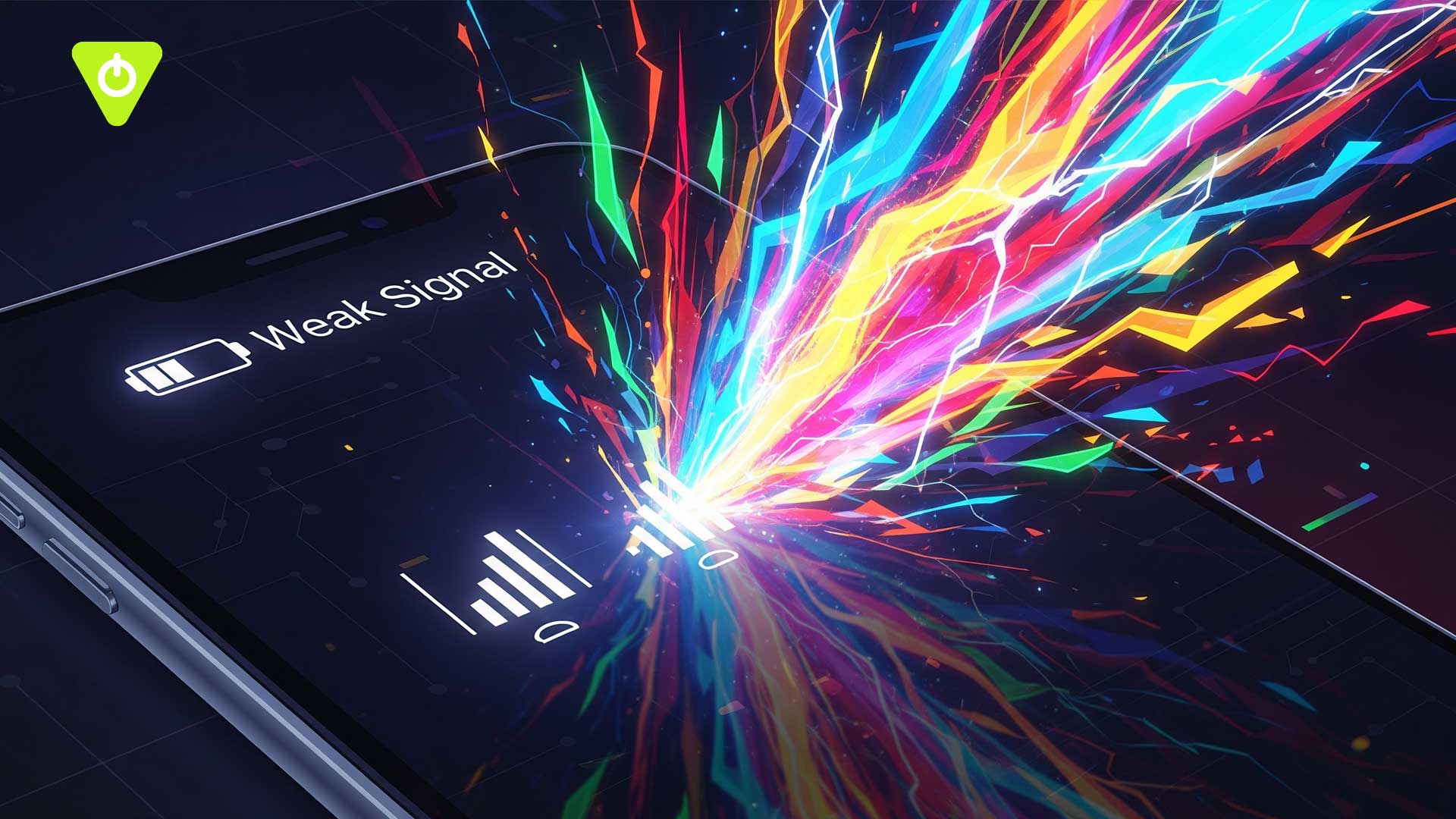
Why does a weak signal drain your phone battery so fast?

21 August 2026

Your phone’s desperate drama

Ever noticed your phone battery disappearing faster than snacks at a party when the signal is weak? It’s not just bad luck—your handset is basically having a panic attack. The moment it senses a slipping signal, it starts shouting at every mobile tower in range: “ARE YOU STILL THERE?!” The weaker the signal, the louder your phone screams, blasting its transmitter at full power to cling onto any connection. And all that shouting? That’s your battery paying the price.

The endless cycle of screaming and searching

It doesn’t stop there. Your phone keeps shouting while frantically scanning for other towers, like someone running around a city with a megaphone while checking every street corner for friends. This repeated effort burns energy—well, electrons in this case—and leaves your battery drained faster than you’d expect.

Even if your phone does manage to reach a tower, weak signals can garble data. Phones send information in small chunks called packets. When packets get lost, the tower politely asks your phone to repeat itself. So your handset retransmits the same data again and again, like posting the same meme multiple times because no one liked it the first two.

Why your phone gets hot

All that frantic communication makes your handset heat up. Your phone’s radio chips are working overtime, like a runner sprinting uphill while juggling eggs. The worse the signal, the harder your phone has to work, leading to increased battery consumption and heat. Ironically, streaming a 4K video over a full 5G connection uses less battery than trying to check a couple of emails with a single lonely bar of signal.

Keep your battery alive

Next time your phone feels like it’s roasting your palm in the middle of nowhere, don’t blame the battery—it’s just doing its best to keep the conversation alive. Understanding how signal strength impacts battery life can help you manage your usage and expectations, especially when you’re off the beaten track

Want to know more? Check out our Lesson Hacker’s YouTube video. 

For more Lesson Hacker Videos, check out the Craig’n’Dave YouTube playlist HERE.
Be sure to visit our website for more insights into the world of technology and the best teaching resources for computer science and business studies.
Stay informed, stay curious!


Related posts

Why September nerves can be a good thing.

For many teachers, the final week of the summer holiday brings a strange mix of excitement and nerves. But with the right preparation, organisation and routines, those September jitters can become a positive force. Find out how to start the new academic year feeling more confident, organised and in control.

What is refactoring?

Refactoring is the process of improving your code without changing what it does. Discover why every professional programmer loves a good refactor and how it keeps your code efficient, readable, and ready for the future.

19 August 2026

Every teacher has a superpower, but do you know yours?

Every teacher has a superpower – but what is yours? We explore the qualities, skills and passion that make great teachers, and why recognising your own strengths can make all the difference in the classroom.

17 August 2026

A new direction for Key Stage 3 Computing

Craig’n’Dave’s new Key Stage 3 curriculum is more than a collection of lessons – it’s a carefully designed approach to preparing students for the future. Discover how careers, curiosity, resilience and reduced workload shape the new KS3 Resource Centre.

Why your bluetooth audio always seems a little delayed?

Ever wondered why your Bluetooth headphones lag behind the action on screen? It’s not the signal — it’s all the behind-the-scenes “paperwork” your audio has to go through before it reaches your ears.

How does optical disc burning work?

Discover what really happens when you “burn” a CD or DVD—it’s not fire, it’s a laser precisely encoding your data onto the disc. From pits and lands to rewritable mood-ring discs, here’s how your files get stored.

14 August 2026

What is a VPN?

Ever wondered how a VPN really works? Think of it as a clever middleman that keeps your online activity private and your data safe.

12 August 2026

Should parents be sharing your life on social media?

“Sharenting”—where parents share their children’s lives online—might seem harmless, but it comes with risks like identity theft, cyberbullying, and impacts on self-esteem. Learn how families can share responsibly while keeping kids’ privacy safe.

10 August 2026

What Is Concurrency in Computing?

Concurrency is the clever trick your computer uses to juggle multiple tasks at once—without actually doing them simultaneously.
From web pages to deadlocks, discover how this behind-the-scenes magic keeps your digital world running (mostly) smoothly.

7 August 2026