Back

Smart Revise – New Business Studies content update!

2 October 2024

We are thrilled to announce the addition of 11 new case studies for our OCR GCSE (J204) and AQA GCSE (8132) courses.

With 167 new exam-style questions, this update ensures comprehensive preparation for students.

OCR (J204) case studies: for Paper 1&2 of our OCR GCSE course (J204):

These come with 110 new exam style questions covering the full range of marks and command words.  This adds to our existing bank of Multiple Choice Quiz questions, Terminology Questions and Advanced Questions, all written by experienced teachers and examiners.

AQA (8132) case studies: for Paper 1&2 of our AQA GCSE course (8132):

These come with 57 new exam style questions covering the full range of marks and command words.  This adds to our existing bank of Multiple Choice Quiz questions, Terminology Questions and Advanced Questions, all written by experienced teachers and examiners.

Designed by experienced teachers and examiners, Smart Revise also features automated question selection, peer marking, and AI-driven marking tools. The goal? Save teachers time and raise student attainment.

What is Smart Revise?

Smart Revise is the only online application that selects extended answer questions automatically to save time and provides the teacher with a peer marking and AI marking engine to reduce workload and raise attainment. You can sign up and try this product completely for free, no time limit, no features locked out or disabled. A number of topics are FREE and fully enabled in trial mode, you only need to pay for access to the entire course if you like what you see.

If you are an existing user you don’t have to do anything to get access to this new content, your course will automatically updated the next time you log in! Learn more HERE.

Or feel free to reach out if you have any questions admin@craigndave.co.uk

Remember we also have full courses for the following exam boards to:

Related posts

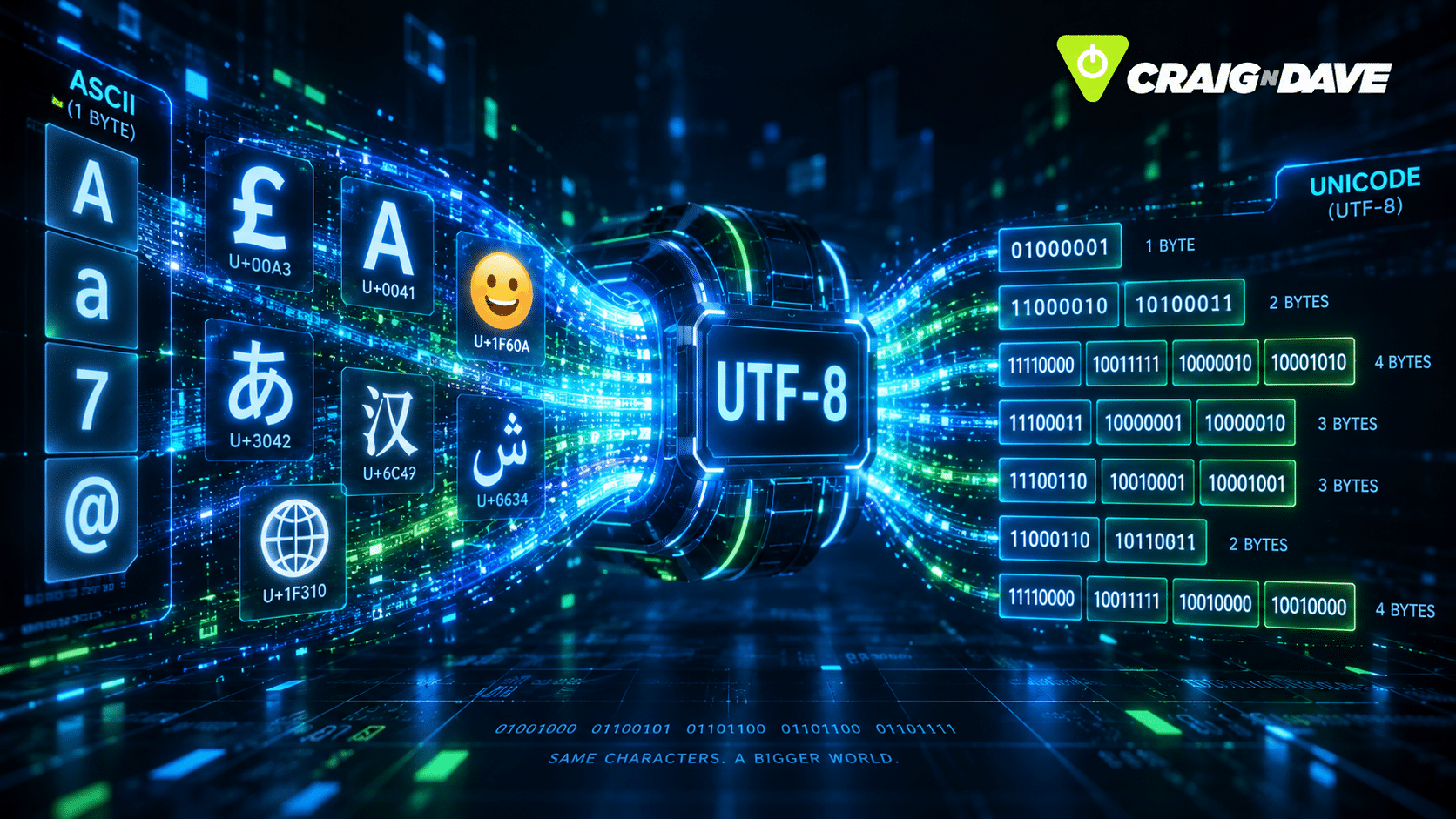
UTF-8 is witchcraft, right?

Ever wondered how your computer can happily store a simple English letter, an emoji, a pound sign and characters from […]

22 September 2026

Why teaching models keep returning

Teaching frameworks can provide valuable guidance, but when they become rigid formulas, they can undermine professional judgement. The goal isn’t identical lessons – it’s consistently effective teaching.

18 September 2026

Do GCSEs doom students to fail?

GCSE results may look stubbornly flat, but the reality behind the numbers tells a very different story. Why has further improvement become so difficult, and are we measuring success in the right way?

11 September 2026

Will Quantum Computers Break Encryption?

Could quantum computers really break encryption and put our data at risk? We explore the reality behind the hype, from qubits and Shor’s Algorithm to the future of post-quantum security.

7 September 2026

Is AI a panacea?

AI is moving from experimentation to expectation in schools. But as adoption grows, the focus must shift from simply using AI to using it well. Discover how schools can balance workload, learning, safety and professional judgement — without losing the human element of great teaching.

4 September 2026

Digital ID cards: The future of work or a privacy nightmare?

Are digital ID cards the future of convenience or a threat to privacy? Explore the benefits, risks, and debate behind the UK’s proposed digital ID system.

31 August 2026

Why does your phone get dimmer in the sun?

Ever wondered why your phone dims when you’re in the sun? It’s not being lazy—your device is protecting itself from heat, battery strain, and OLED burn-in.

28 August 2026

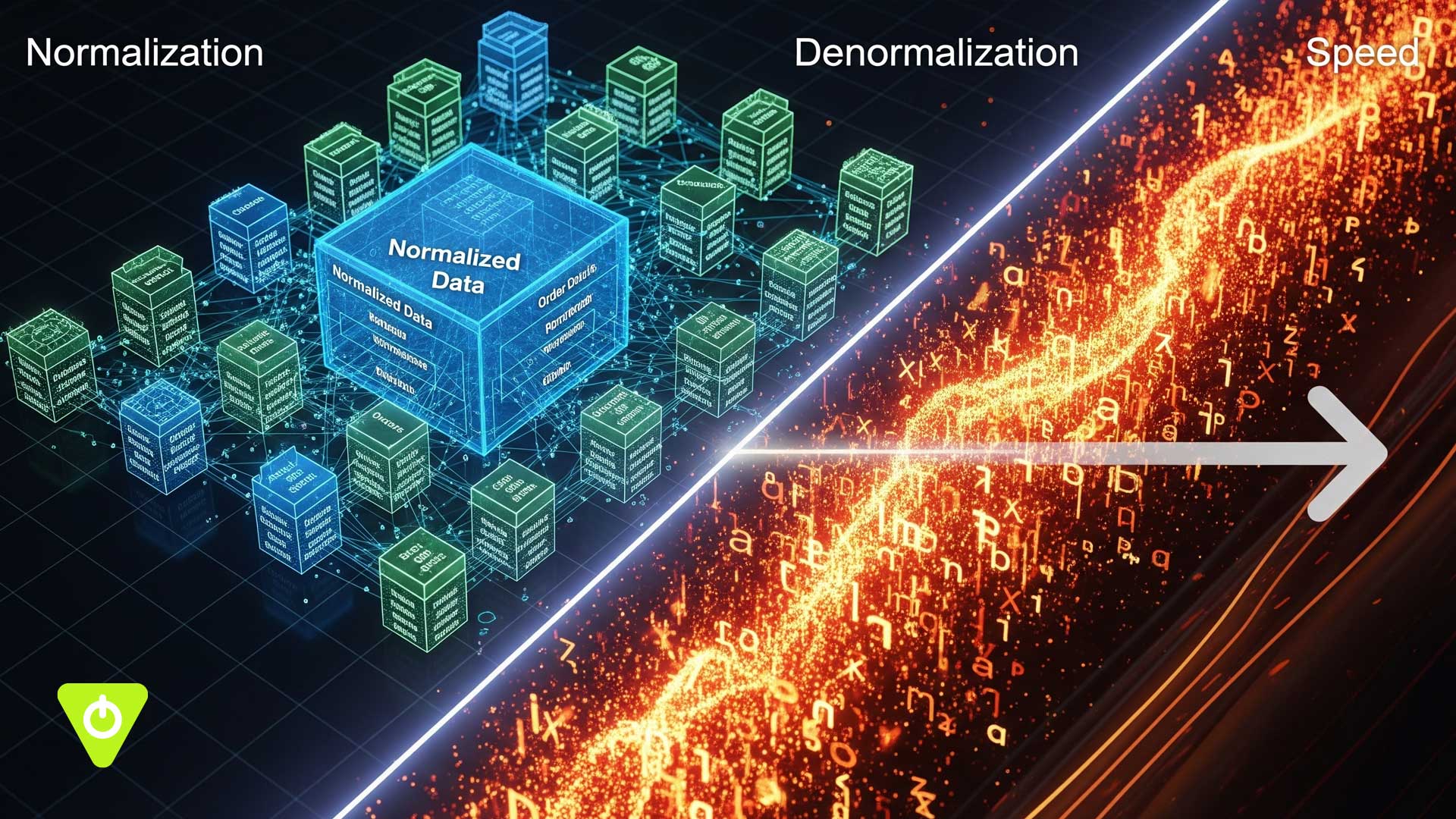
Do we really use database normalisation in the real world?

Database normalisation keeps data consistent and tidy, but in the real world, speed often wins over strict rules. Discover how companies like Twitter balance correctness with performance.

26 August 2026

Why do batteries get worse over time?

Ever wondered why your phone battery doesn’t last like it used to? Lithium-ion batteries degrade over time due to stress, heat, and chemical reactions, slowly reducing their charge capacity.

24 August 2026